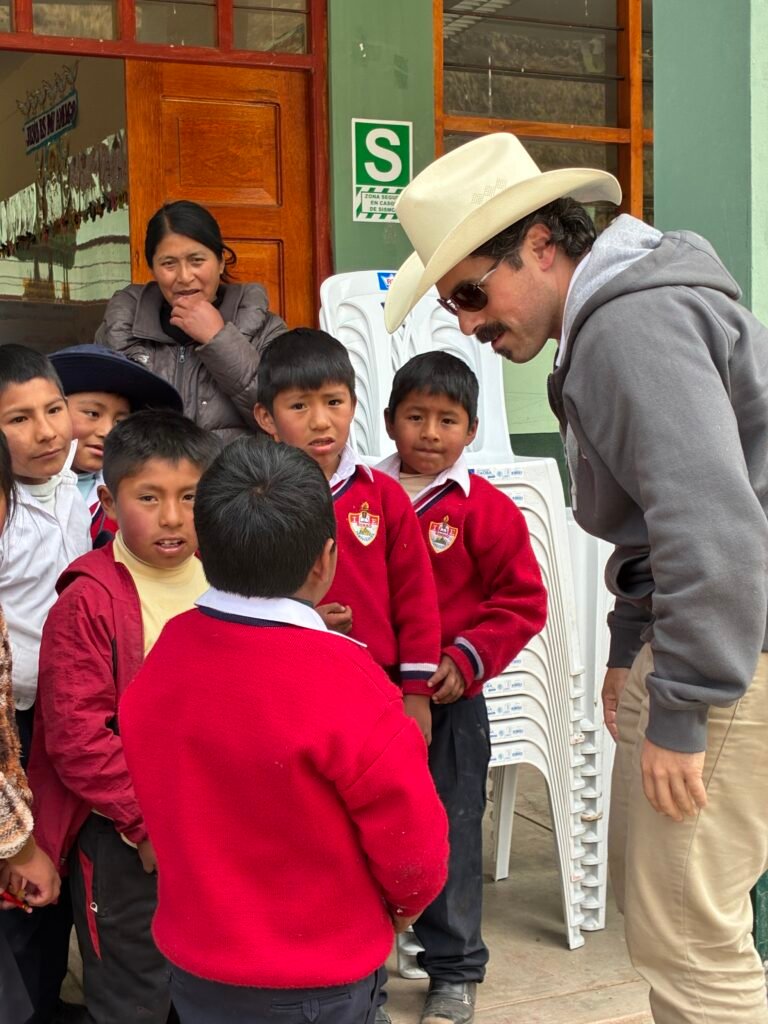
“Good morning, nice to meet you!” Good morning, nice to meet you!
“My name is ____” My name is _____
“Where are you from?” Where are you from?
“I am from New York.” I am from Perú.
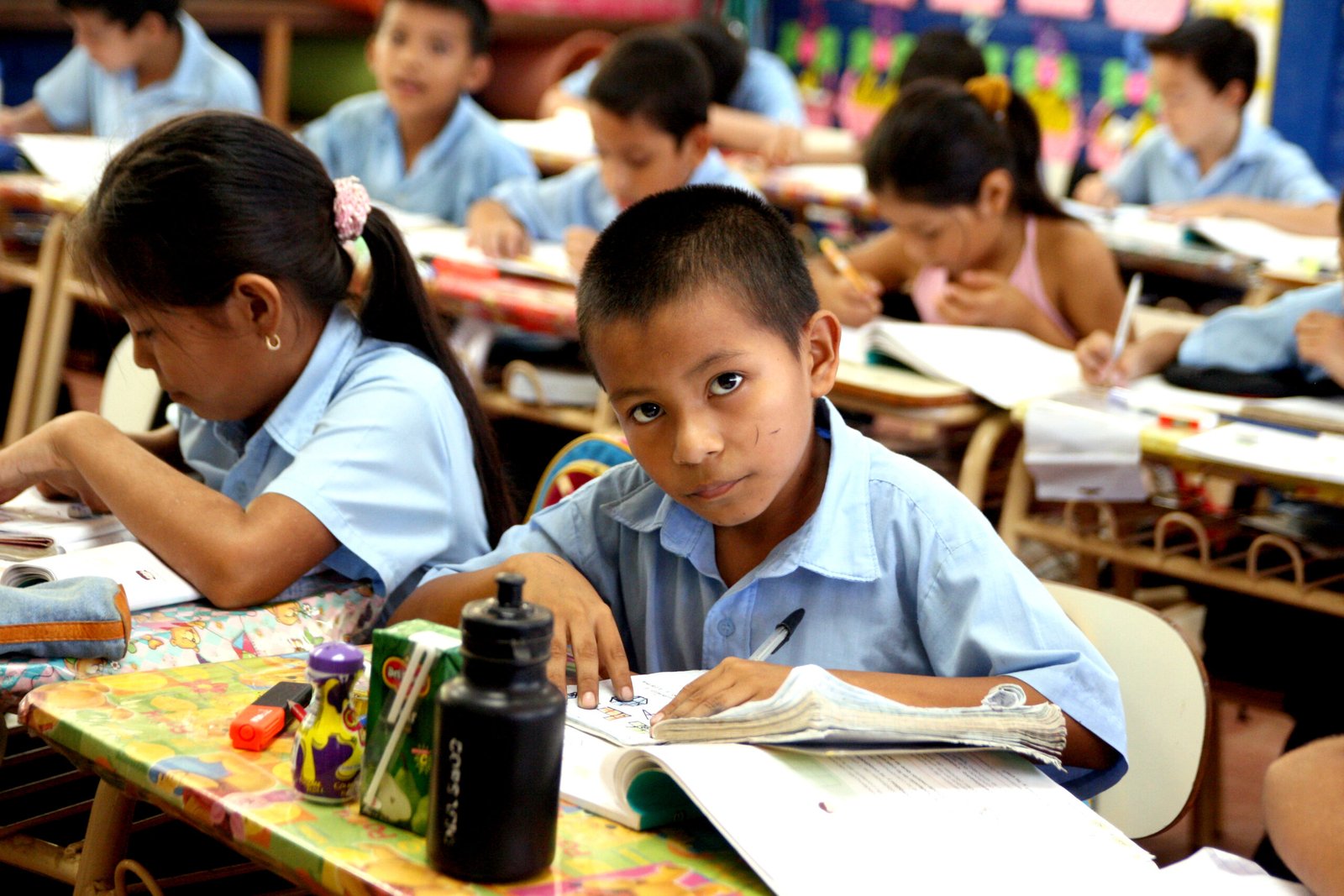
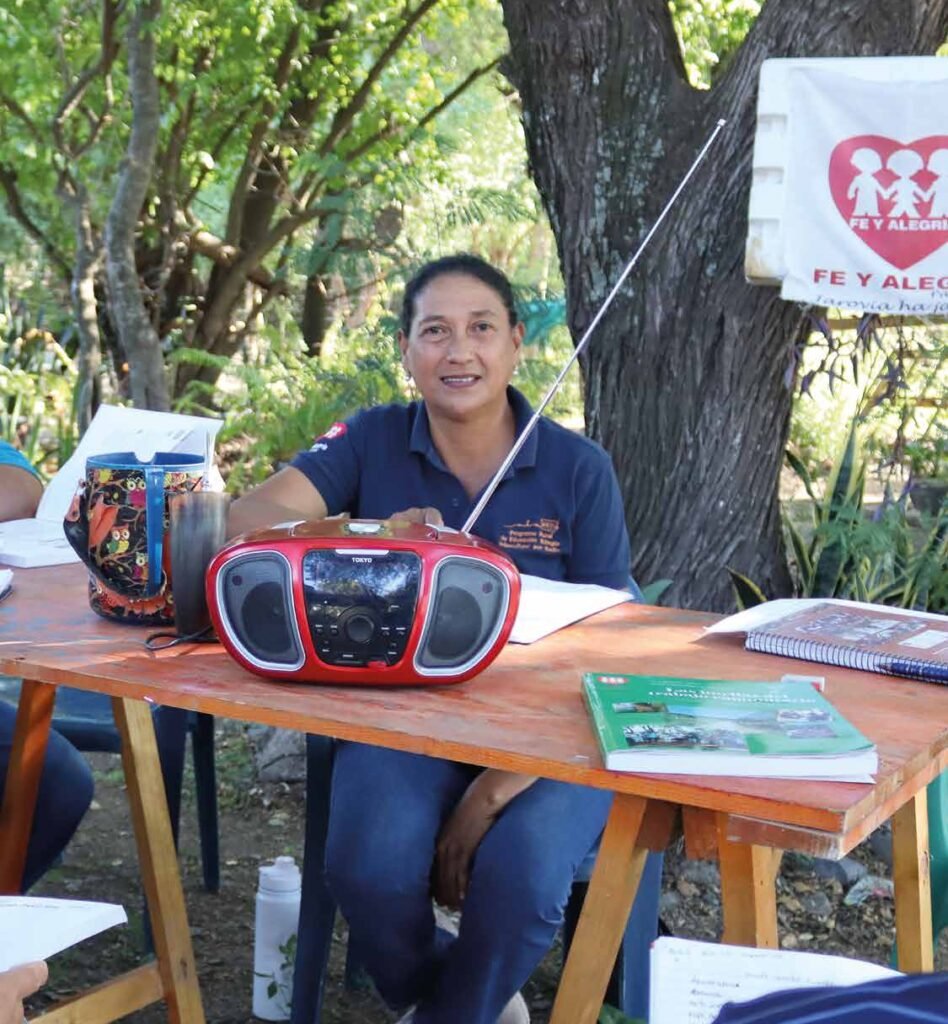
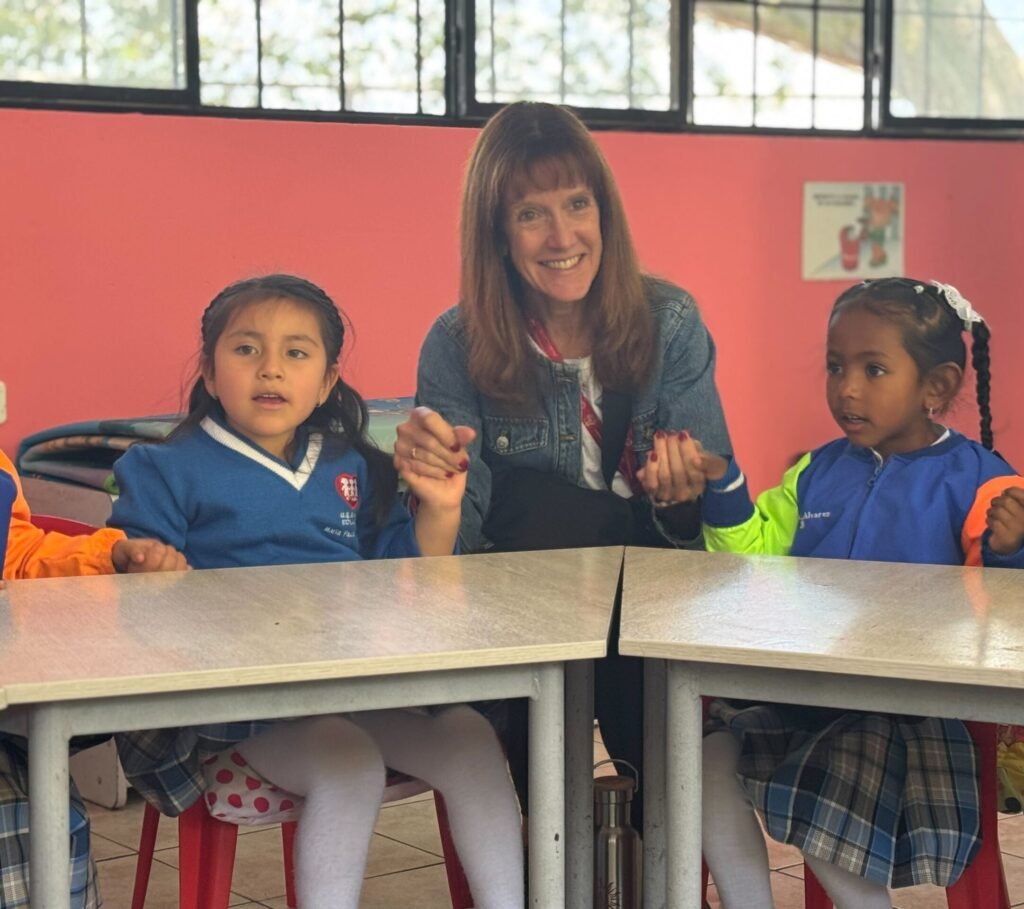
Every Wednesday morning, students from Saint Ignatius School, Bronx, NY (SIS) and students from Cristo Rey Ttikariy (CRT), Pacchanta Baja, Cusco, Perú, work on English greetings and grammar. “Ttikariy” in Quechua means “to blossom.” While a booming tourism economy has been blossoming in the region for years, a new flower has just begun to bloom as well; an initiative built on educational innovation and solidarity across continents. A blossoming exchange where kids teach kids the basics of English and promote an intercultural exchange within the international Jesuit education network. The adults are there only to chaperone and ensure the wifi works.
Jesuit education on the margins from NYC to Cusco
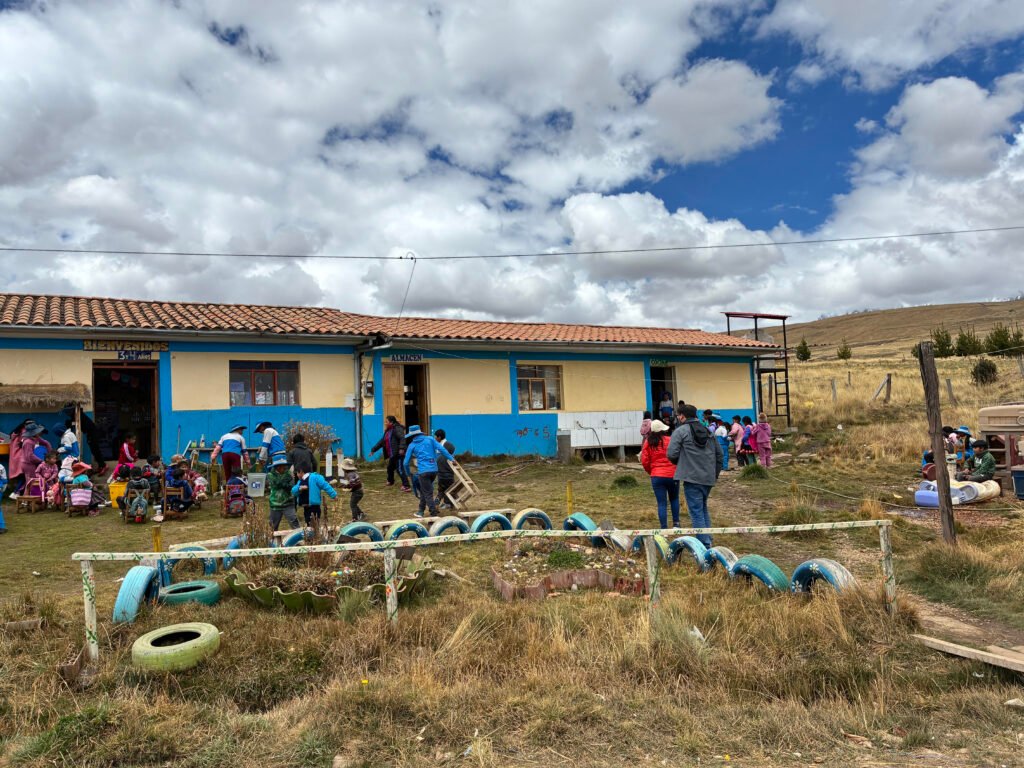
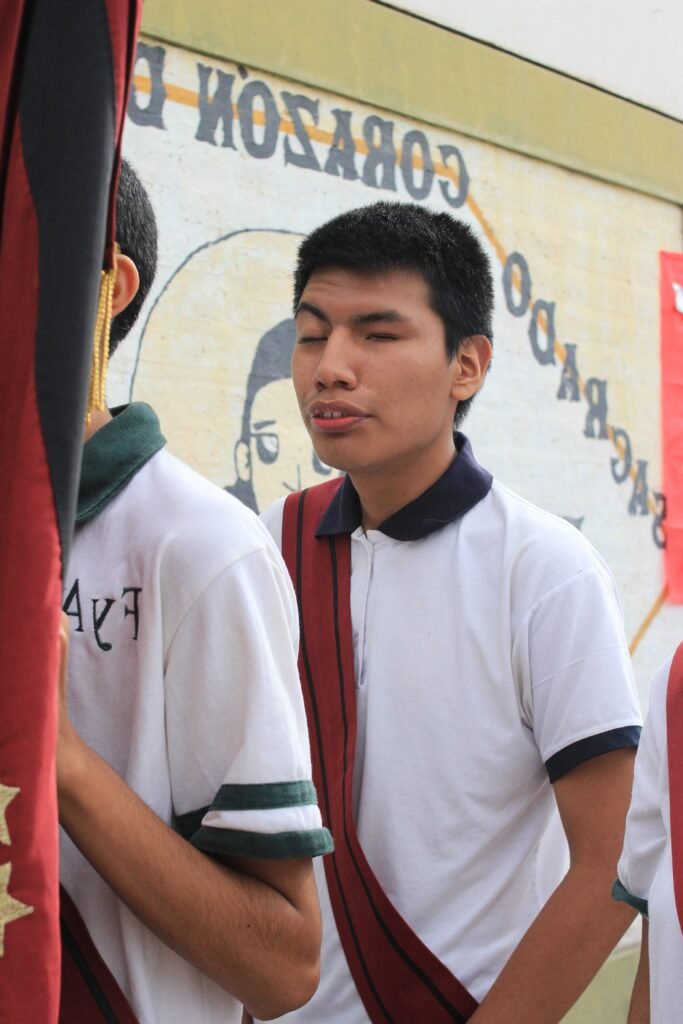
The South Bronx and rural Peru are more similar than you might think. SIS is part of the Nativity Miguel Coalition, a faith-based, extended school day model that began in a small parish in the Lower East Side. CRT is a member of a rural network of schools within Fe y Alegría Perú, a movement that began in a small parish in Caracas, Venezuela 70 years ago. In each school, students from lower-income backgrounds or otherwise vulnerable communities receive low-to-no cost Jesuit education that forms them for success. Both schools are small, based in their local communities to promote the integral development of those communities. SIS has 84 students across 6-8th grades, all from the South Bronx. CRT has 76 students from pre-K to 6th grade, all from the local campesino community.
Each community values education as the way forward for integral human and community formation and strengthening in the midst of rapid change. In the mountains outside Cusco, one of the ways forward that Jesuit education can open for Fe y Alegía students is a path to engage with the booming tourism economy. “Tourism has certainly opened some doors,” says Reyna Rodriguez, director of CRT. For her students to learn English, “It’s not only about learning a language but rather giving them more opportunities to dream and decide who they will be in the future.”
The experience of learning from each other forms both the “teachers” from New York and the students in Peru. “Practicing a new language helps them [the students] get outside of themselves, to let go of fear, and to trust more in their own skills,” says Ms. Rodriguez. “Of course, to learn another language means sacrifice: to make the time, to push yourself, to mess up, and to try again. But it is just that esfuerzo (“effort” or “exertion”) that forms them, strengthens them, and teaches them that with perseverance they can achieve what they set out to do.”
Common ground and shared learning across cultures
About 85% of SIS students are Latino/a and many are bilingual, including the students in the language exchange. Paulina, an eighth-grader at SIS, has grown up in an immigrant family. She says that she relates to the students in Pacchanta Baja: “I was like them. I had to learn a new language [English] in elementary school.” The same thought occurs to Monserrat, her SIS classmate, who agrees, “I was in that place once,” learning English in elementary school.
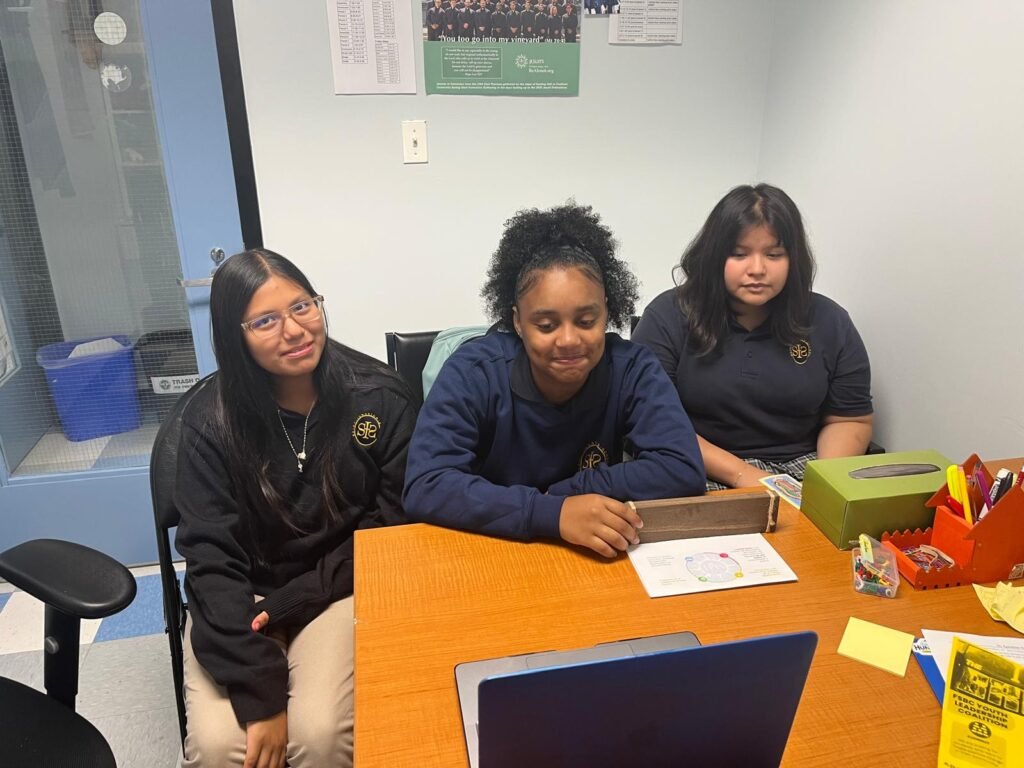
But even with that shared experience, the SIS students were not overly confident when they entered the online aula to meet their Peruvian counterparts. They are still kids, so meeting new people and making new friends comes with all the insecurity you can imagine. “We were really shy,” says SIS eighth grader Mia. “It’s a new experience.” They were nervous before their first class with the Peruvian students. As they saw themselves on the screen in the waiting room, the nervous shyness bubbled over a bit. “We had a really good laugh,” one of the students explained. It helped to shake off the nerves and then it was time for class. “They work really hard,” reflects Mia. “Even if they don’t get it on the first try, they continue to try and end up getting it.” Paulina also notes the esfuerzo of the CRT students, “We kept having [a student] repeat the words, spell it out.” After a few tries, “she got it,” she remembers with a smile.
“They matter to us and we matter to them,” says Mr. Alec Hufford, S.J., a Jesuit in formation working at SIS. “They give us a good chunk of class time and we give them a good chunk of class time.” That investment of time and all of the esfuerzo both the students in Peru and in the Bronx pour into their time together has transformed into “a mutual gift,” as Alec describes it.
Learning and building community
“Now you can hear them practicing words in English even during recess, laughing among themselves as they repeat them,” says Ms. Rodriguez. The impact of these online classes is already being felt throughout the CRT school community.
At the same time, the connections these students are building is helping to bridge the 3,700 mile gap between the two schools. Signs of solidarity abound in the exchange, from the classroom decor to mutual experiences. Alec notes, CRT has “quotes on the wall that we could have on our walls,” noting a common faith and common language in Spanish that the girls from the Bronx share with their Peruvian friends.
Monserrat has another thought. “I always ask if we can have a field trip to Perú.” That would be quite the trip to plan and a heck of a permission slip to write up. But we live in a world of walls and divisive rhetoric, in a world of shallow experiences in place of real encounters. The students of the South Bronx and rural Perú show us something refreshingly prophetic, that with mutual vulnerability and unity, communities deemed marginal show the rest of us what growth and development really look like. It’s willingness to take risks and make mistakes knowing that you’re part of a community of smiles, laughter, and care. It’s a community that rather resembles the Kingdom of God.
About the Author: Fr. Vinny Marchionni, S.J. is a member of the U.S.A. East Jesuit Province. For the past 4 years he served as the Director of Admissions and Community Engagement at St. Ignatius School in the Bronx and he is now completing his tertianship program in preparations for final vows to the Society of Jesus. Between the end of his time at SIS and the start of his tertianship program, Fr. Vinny traveled to Peru to learn more about Fe y Alegría´s approach to Jesuit education on the margins. The connection between SIS and CRT is one of the many fruits of this journey.