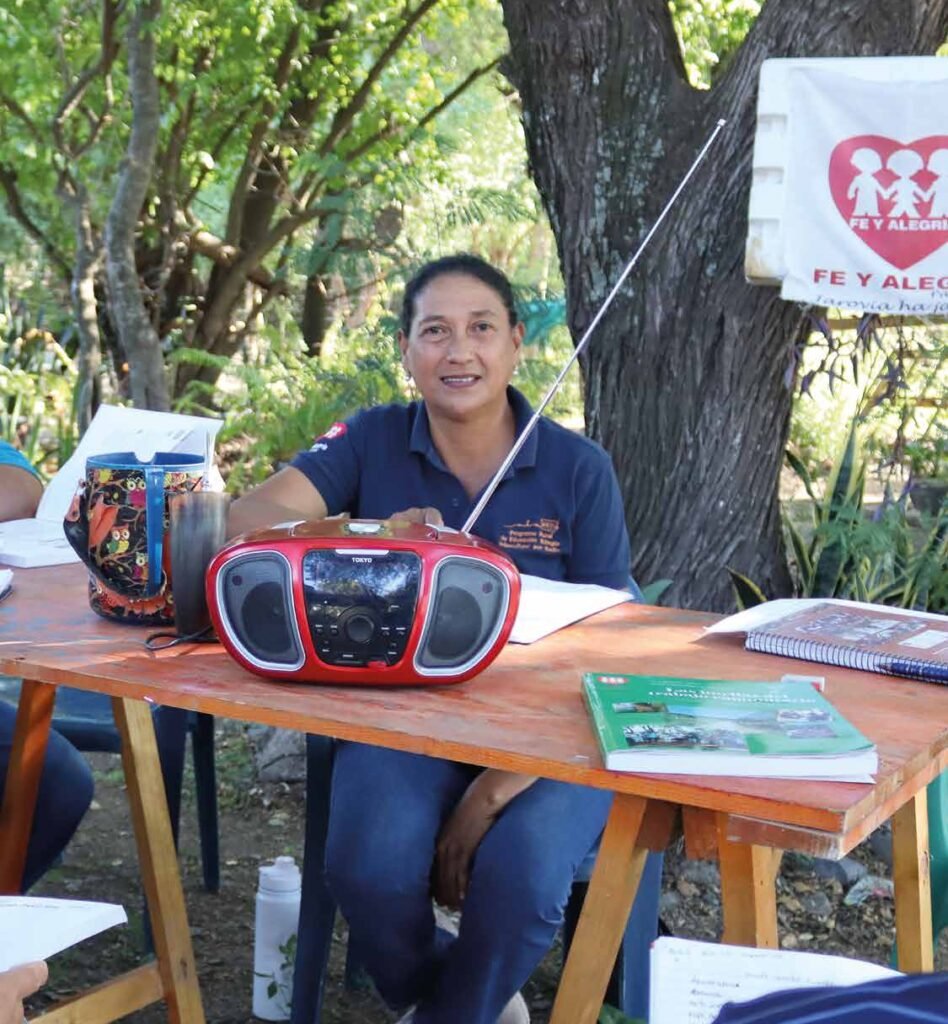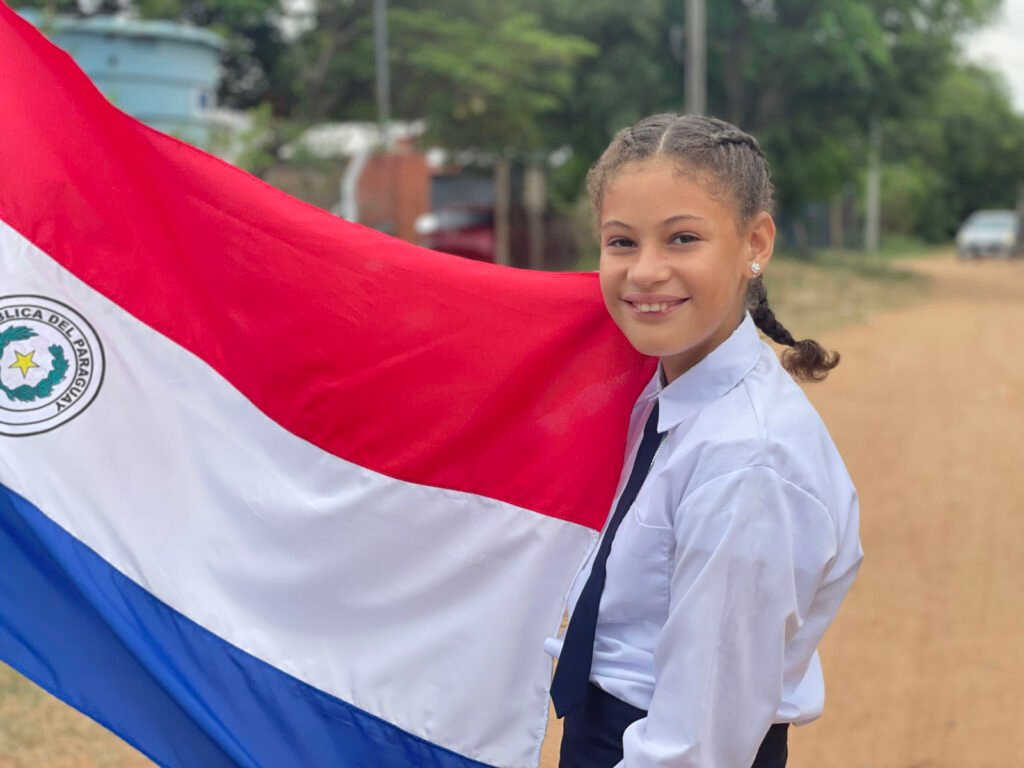
On March 8, as we mark International Women’s Day, I find myself returning to the story of Bernarda Riveros. Earlier today, we published her testimony as our newest impact story. Her journey is an amazing example of the UN’s theme for this year, “Rights. Justice. Action. For ALL Women and Girls.” Bernarda explains how she first encountered Fe y Alegría as an adult in the Rural Bilingual Intercultural Education by Radio Program (PREBIR), persevered through domestic abuse, a divorce, and legal proceedings, to emerge as an empowered educator in the same program, accompanying other women and men in rural Paraguay,
Bernarda’s life reminds us that justice is not abstract. It is personal. It is learned. It is defended. Through education, she came to recognize her own dignity, confront violence, and choose a different path for herself and her children. Today, she travels long distances each week to ensure that other adults, many of them women who were once excluded from formal schooling, can learn to read, write, and understand their rights.
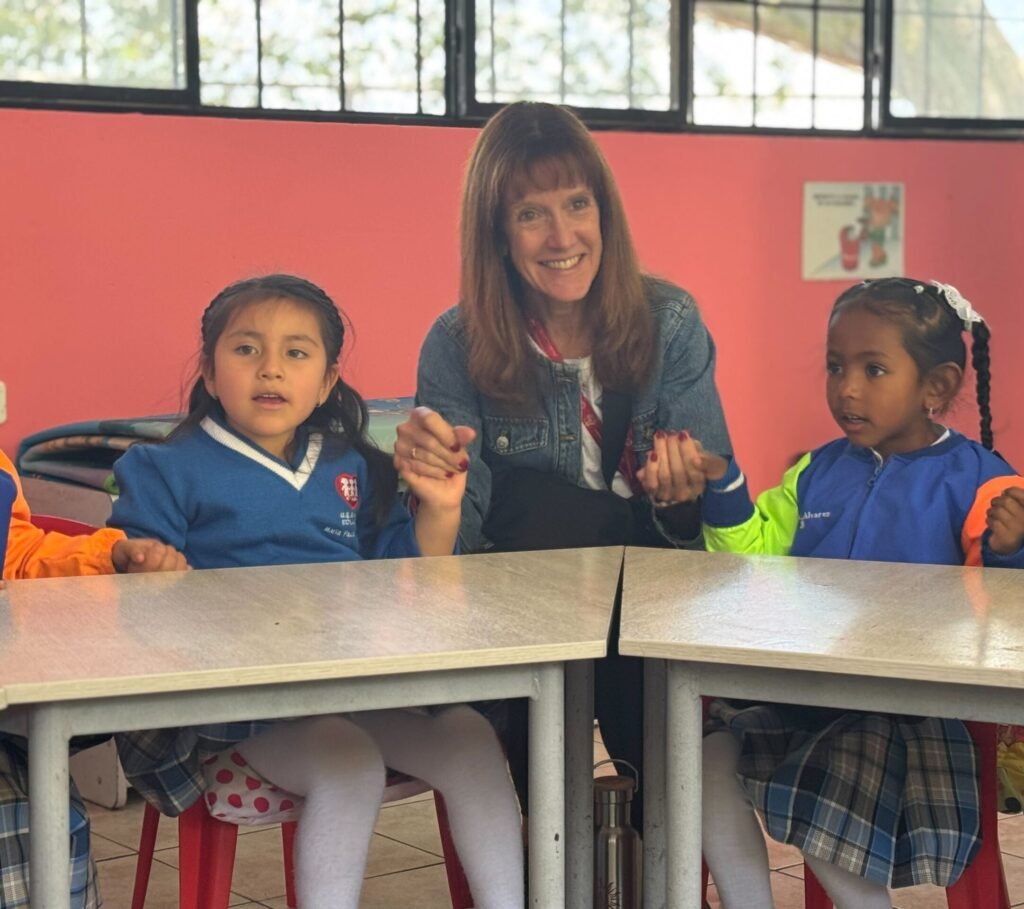
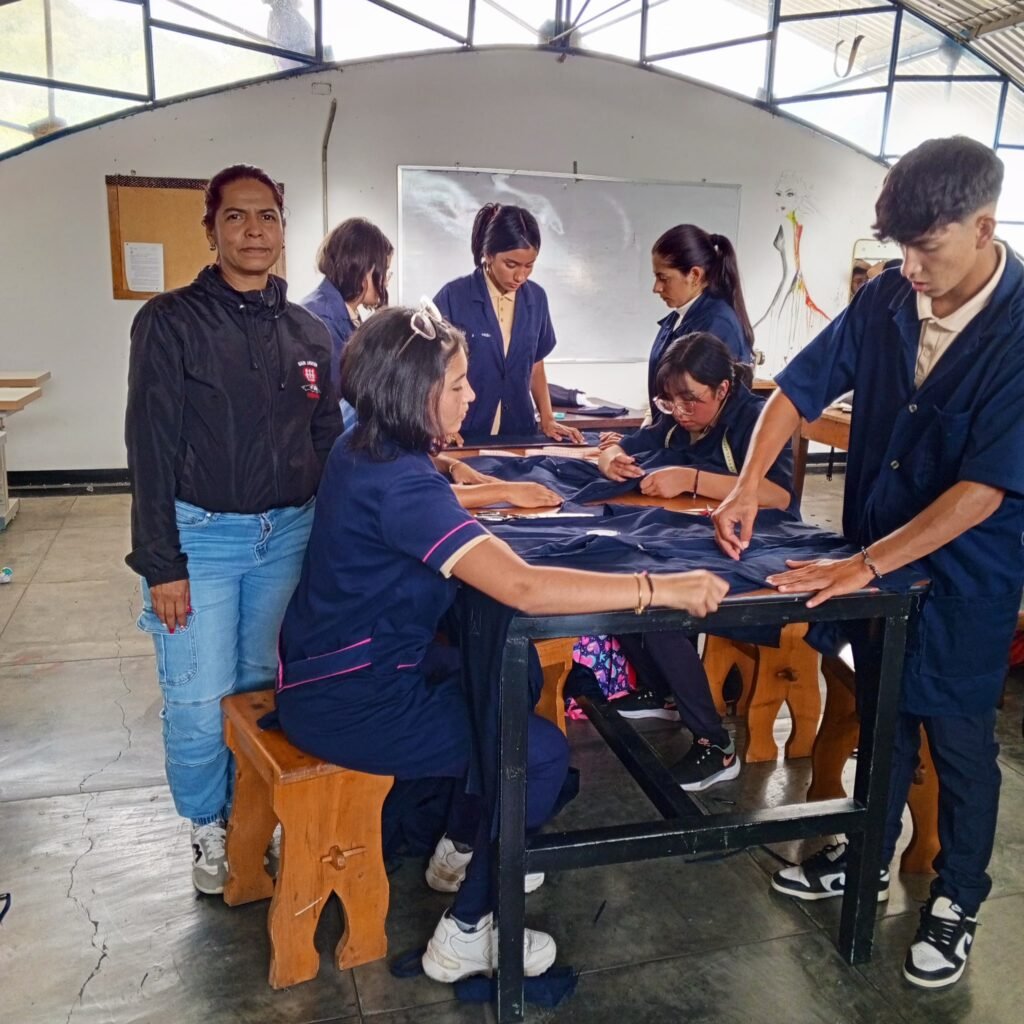
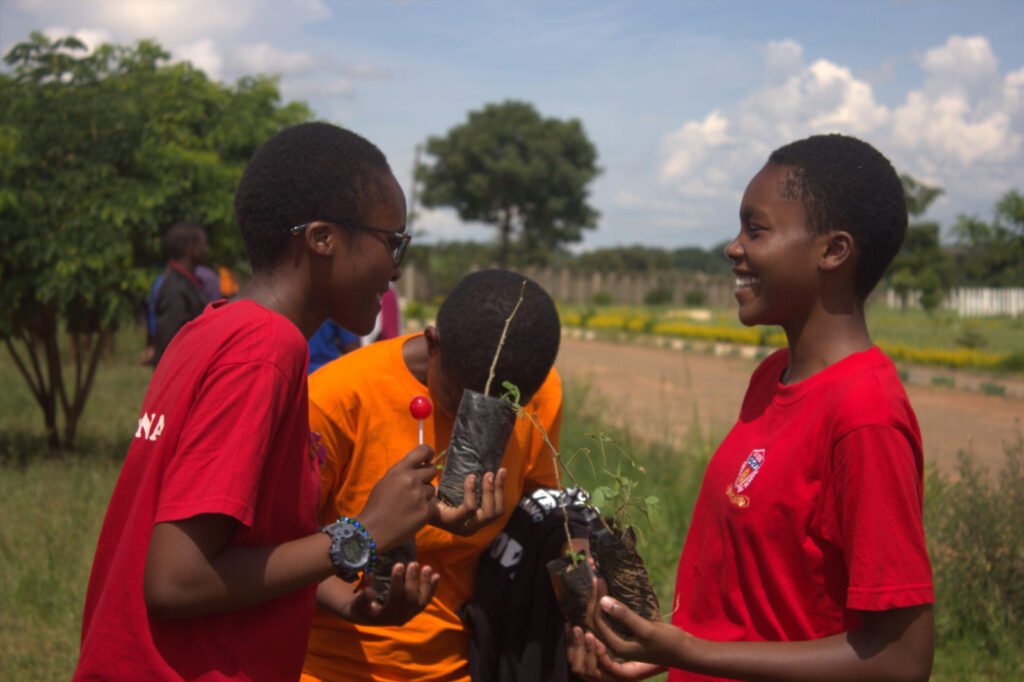
Bernarda’s testimony is just one among many gathered in Fe y Alegría’s 70th anniversary book. Throughout its pages, we encounter women and girls who are reshaping their communities, often against significant obstacles. Some are educators. Some are students. Some are cooperative leaders, entrepreneurs, or community organizers. All of them are protagonists of change.
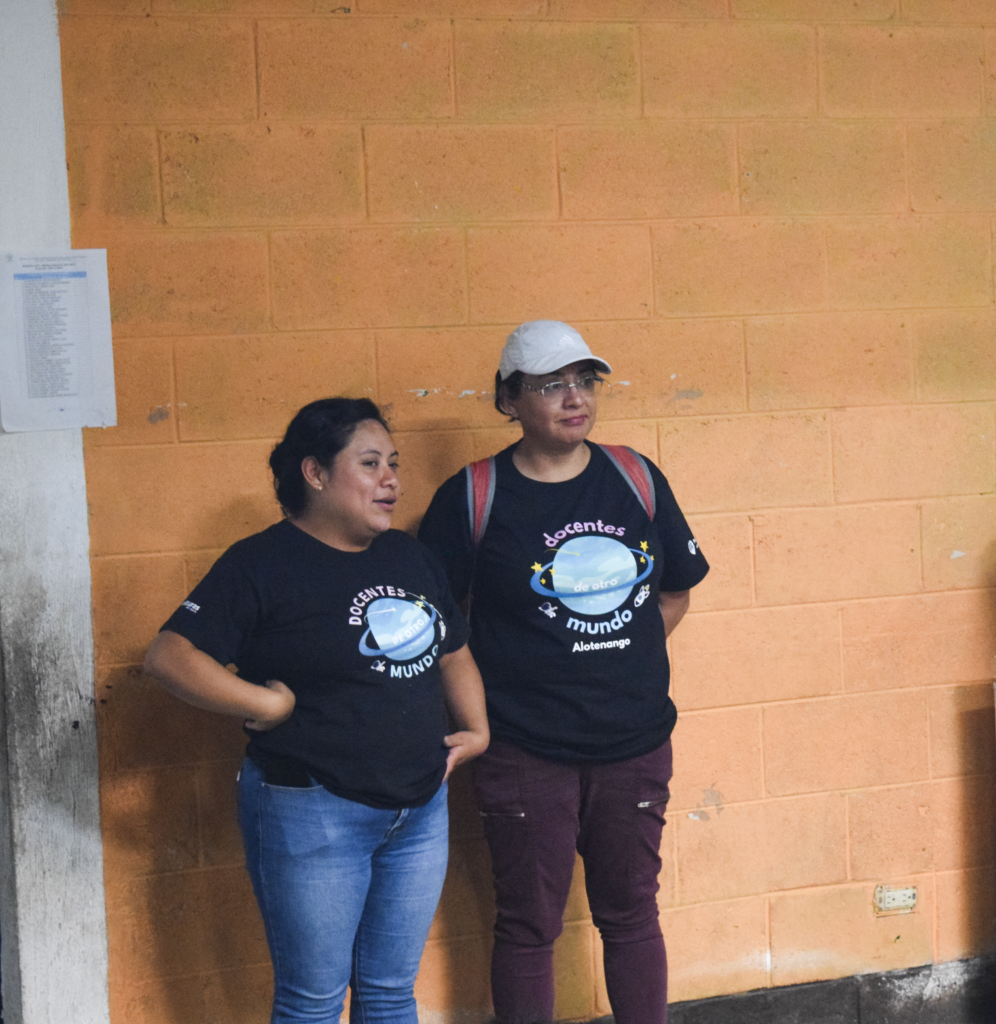
As Project Manager at American Jesuits International, I am constantly inspired by the stories I read and the transformation I see through our work. It would be difficult to overstate the essential role of women in every dimension of our mission. Women are not simply participants in our projects. They are leaders, educators, administrators, mentors, and innovators. They help shape strategy, guide communities, and hold institutions accountable to their commitments.
International Women’s Day invites us to celebrate progress, but it also calls us to confront the barriers that persist, including discriminatory structures, harmful social norms, and unequal access to opportunity. The stories we encounter through Fe y Alegría and our Jesuit partners are not sentimental narratives. They are concrete examples of what becomes possible when women and girls are given the tools, the space, and the trust to lead.
On this International Women’s Day, I am grateful for the women and girls who are part of our shared work. They challenge me. They teach me. They remind me that rights must be defended, justice must be pursued, and action must be sustained. They show that when women and girls thrive, entire communities move toward a more hopeful future.