Context
There is a global learning crisis affecting nearly 70% of children in low and middle income countries. Despite being enrolled in school, many students are not acquiring essential reading and writing skills. This crisis is exacerbated by inadequate investment in early childhood education, particularly in the poorest communities, where 43% of children under the age of five are at risk of inadequate development due to extreme poverty and malnutrition. Many lack access to activities critical for cognitive, physical, and emotional growth.
The quality of interactions in the early years is key to healthy development. Yet access to early childhood education programs remains uneven, with very low coverage in low-income countries, rural areas, and communities facing poverty and exclusion. The lack of specialized training and poor working conditions for educators further limit the quality of care and learning environments.
The first 1,000 days of life shape a child’s future. During this period, the brain develops most rapidly, laying the foundation for lifelong learning, health, and well-being. For millions of children in Latin America, extreme poverty and limited access to quality early education place those futures at risk.
About Fe y Alegría’s Early Childhood Education Initiative
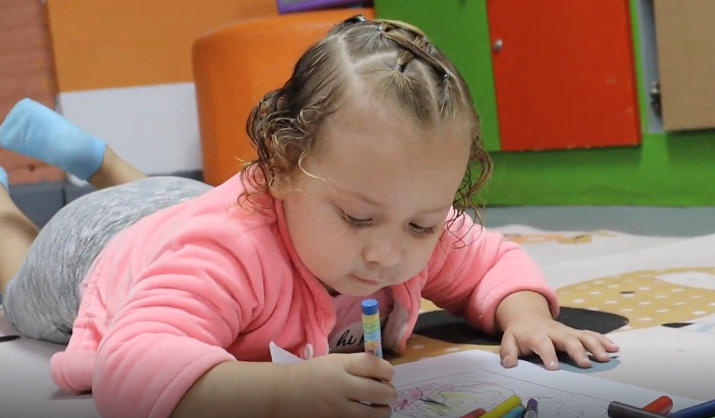
For nearly 70 years, Fe y Alegría has been a leader in transforming education for the most vulnerable communities. Today, the organization is deepening its commitment to early childhood education, recognizing that investing in the earliest years is one of the most powerful ways to break cycles of poverty.
“Early Childhood” is a recent addition to the federation’s twelve initiatives which unite the “horizontal” with the “vertical” dimension of institutional governance. These initiatives animate and manage common efforts throughout the movement. Established with the aim of strengthening early childhood education in all of the 22 countries where Fe y Alegría is present, the initiative promotes quality and universal access to care and education during the first six years of a child’s life.
Through a participatory process, the Early Childhood Initiative is developing a shared framework that defines common understandings of childhood and early education, outlines the competencies the federation seeks to promote, and identifies areas for improvement at local, regional, and global levels. The initiative has convened multiple learning exchanges to share educational practices, reflect on pedagogical goals, and strengthen relationships with families. Together, these efforts aim to improve program quality and expand access, retention, and comprehensive care during this critical stage of life.
Our Project
Our project focuses on strengthening care and education during the critical first 1,000 days of life. It introduces a quality assessment guide aligned with international standards to support continuous improvement in Fe y Alegría’s early childhood centers in Argentina, Bolivia, Brazil, Paraguay, and Uruguay, with a desire to share their successes and resources with other regions in the near future.
Project components:
- Strengthening educational frameworks in early childhood centers to ensure effective, high-quality care and learning.
- Pilot implementation in inclusive and stimulating learning environments across four Latin American countries, supporting the holistic development of children ages 0 to 3.
- Knowledge creation and management to generate evidence on the impact of educational quality in early childhood, strengthening advocacy, sustainability, and scalability.
By the Numbers
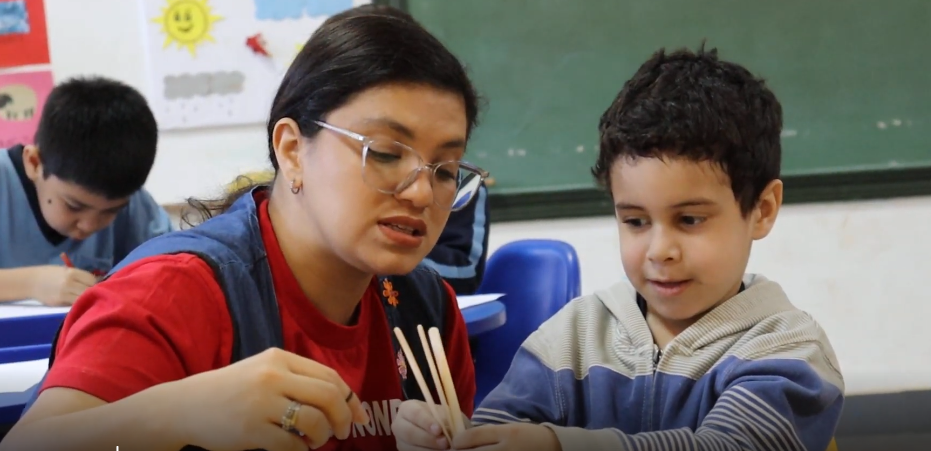
Fe y Alegría has identified schools and childcare centers across the five countries participating in this regional initiative which contribute their perspectives, best practices, and decades of experience to the overall project. Each school brings the wisdom of teachers, administrators, and families to this shared effort.
- Direct participants: 2,262 children (0-3 years old); 181 teachers.
- Indirect participants: 2311 families.
- Educational centers involved: 19 total (Argentina – 2, Bolivia – 4, Brazil – 2, Paraguay – 2, Uruguay – 9)
How It Works
Guided by its dream “to ensure that children, young people, and adults with disabilities and learning difficulties can develop essential life and work skills,” the project advances inclusive education on four interconnected fronts:
- Improving Teacher and Family Formation: Training educators and families to better support students with disabilities, with a focus on early education.
- Expanding Accessibility in Schools: Upgrading infrastructure, equipment, and fostering an educational culture without barriers.
- Strengthening Vocational Training: Developing skills, facilitating internships, and promoting workplace inclusion for students with disabilities.
- Raising Awareness and Public Action: Advocating for the right to inclusive education through campaigns and strategic partnerships.
Together, these actions will strengthen the skills and capacities of children, youth, and adults with disabilities and learning difficulties, ensuring their access to inclusive, quality education and paving the way for autonomy, employability, and lifelong learning.
In Their Own Words
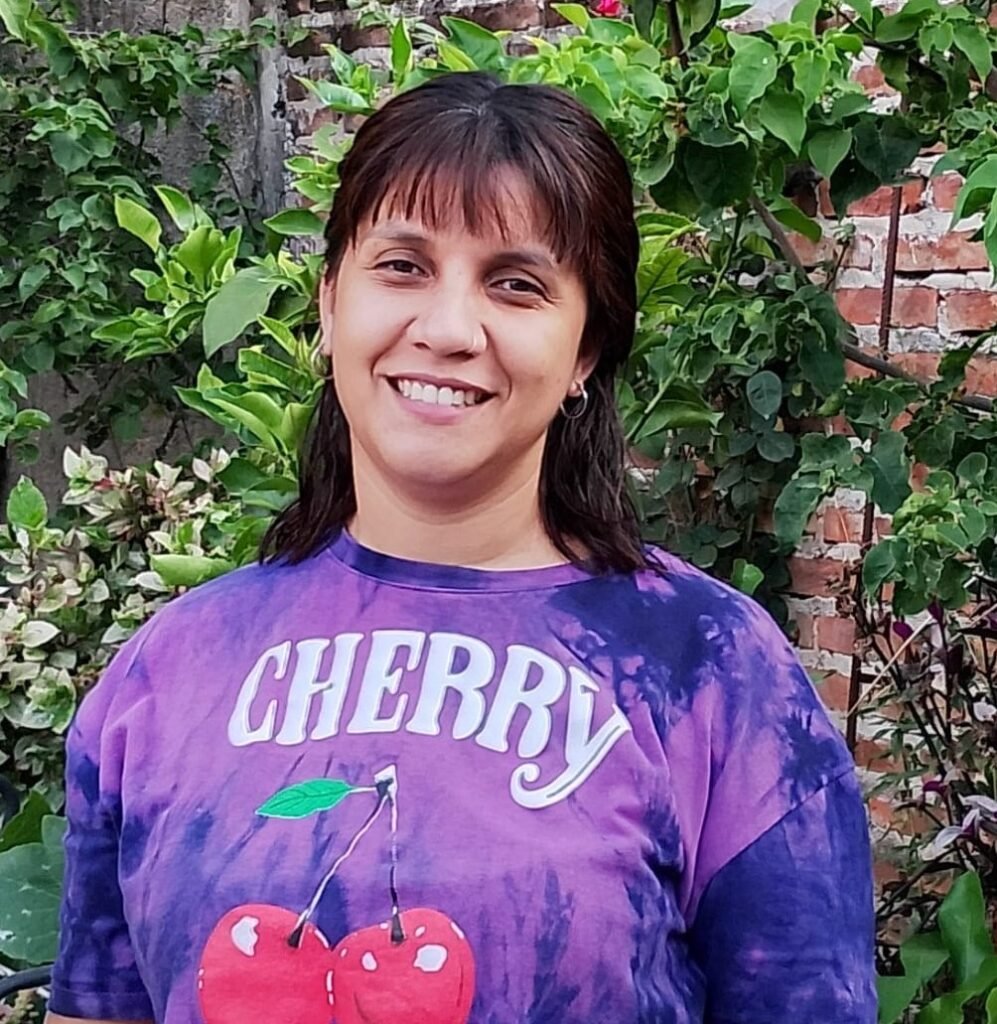
“Personally, I believe that professional formation and training are essential for continued growth and the creation of safer spaces. The ITERS training gave me tools to identify both deficiencies and strengths in our learning environments… I had already incorporated some practices intuitively, but the evaluation process helped refine and expand my perspective.”
Anahí Morel María de Luján
FyA Argentina.
Teacher at an Early Childhood Center in Buenos Aires