In 2024, Fe y Alegría El Salvador worked with more than 10,000 people through its educational and community programs. Today, that number has dropped to about 1,000. This was not a strategic decision; it was a direct consequence of reduced cooperation funding. We also went from 135 staff members committed to our mission to just 28 sustaining this work. Our budget, once approximately $3.5 million, has been reduced to less than $1 million.
Behind each number are significantly smaller teams, stalled processes, and communities receiving less support. The cuts to international aid funding, particularly to United States foreign aid, are not abstract figures or minor budget adjustments. They represent profound changes in our institutional capacity and, most importantly, in the lives of the people we accompany.
These reductions have forced us to restructure, reprioritize, and, in some cases, suspend processes we knew were necessary. They have tested our sustainability and our capacity to adapt. They have also compelled us to clarify what is essential. Our answer remains the same: standing by those who need it most, especially in vulnerable situations, is central to the mission of Fe y Alegría El Salvador and to all who join us in this mission.
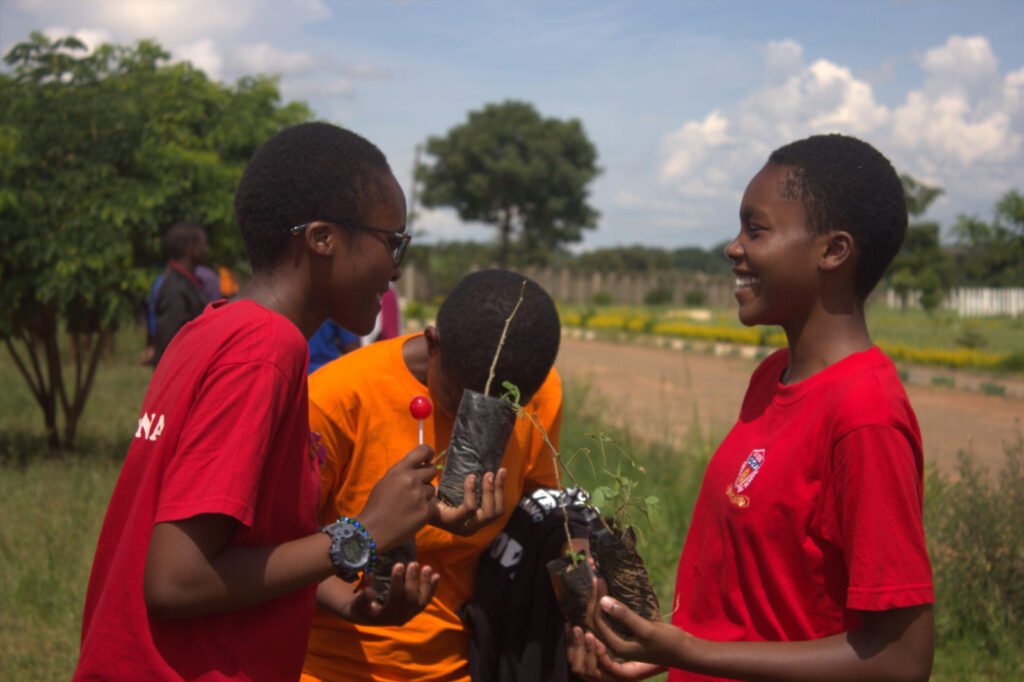
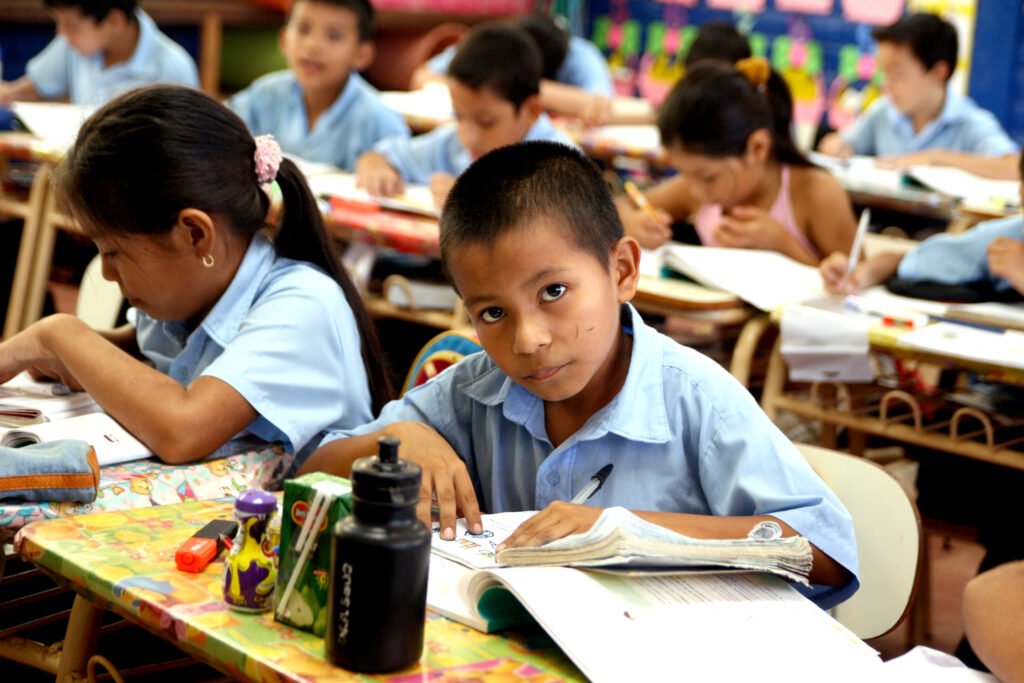
For Fe y Alegría El Salvador, the funding cuts meant that programs offering academic support in reading, writing, and mathematics for vulnerable children could not continue. Youth entrepreneurship initiatives ended abruptly. Empowerment and bullying-prevention programs for girls and young women were severely restricted. We could no longer offer consistent support to those in need, in particular our girls and young women. Young women like Katia, who once told me that, because of this project, she was able to hug her mother for the first time.
El Salvador needs more popular education, not less. The country needs expanded technical opportunities for its youth, not fewer. It needs stronger support for emotional well-being, family cohesion, and social inclusion.
When foreign aid funding is reduced, the impact is structural. It limits our ability to respond to challenges that were already complex. Yet resilience grounded in faith and hope has always characterized Fe y Alegría. Founded 57 years ago, we have endured many difficult periods in national and international history.
In this new context, we sustain hope more intentionally than ever — not a naïve hope, but an active hope that becomes creativity, local partnership, and new ways of sustaining our mission. We have learned to do more with less. At the same time, we recognize that transformative educational processes require collective commitment at both national and international levels.
We remain present. Fe y Alegría El Salvador may be smaller in structure, but it is firm in purpose. Resources may be fewer, but our conviction remains unchanged: education transforms lives. As long as there are people who need protection, dignified employment, or community reintegration, there will be reason to continue choosing hope.