On January 20, 2025, hours after President Trump took office, a wave of executive orders signaled an abrupt shift in U.S. domestic and foreign policy. The U.S. refugee program was suspended. Diversity, equity, and inclusion initiatives were dismantled. U.S. foreign aid spending was suspended. New directives were issued to agencies such as the Federal Emergency Management Agency (FEMA), the military, and the State Department. In total, dozens of executive orders were signed in the first weeks of the administration, altering or canceling hundreds of policies.
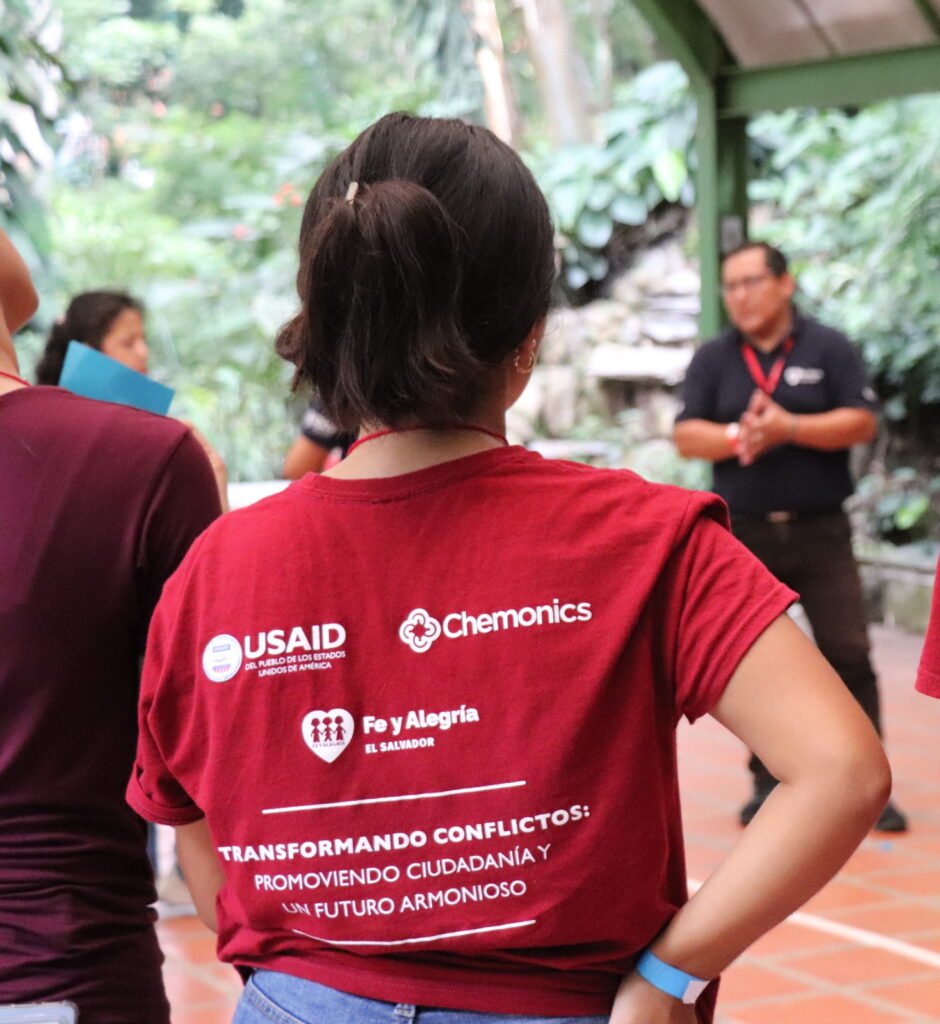
Amid these changes, Executive Order 14169, titled “Reevaluating and Realigning United States Foreign Aid,” imposed a 90-day freeze on all U.S. foreign assistance programs. The order stated that the foreign aid “industry and bureaucracy are not aligned with American interests.” With that statement, billions of dollars in global assistance and thousands of careers devoted to development and humanitarian work were placed in uncertainty. Among the those impacted were Jesuit organizations such as Fe y Alegría and the Jesuit Refugee Service.
The U.S. foreign aid suspension moved quickly from policy to implementation. On February 3, the United States Agency for International Development (USAID) website was shut down and nearly all staff were locked out of their offices in Washington D.C. The following day, nearly all domestic USAID employees were placed on administrative leave. The notice was brief and unsigned. It ended with a single sentence: “Thank you for your service.”
By early February, more than 10,000 USAID employees had been furloughed. Secretary of State Marco Rubio, serving concurrently as acting USAID administrator, directed a deputy to begin a review and potential reorganization of the agency. What followed was not a restructuring but a systematic dismantling. Meanwhile, our Jesuit partners in Latin America, Africa, and Asia were left waiting in increasingly desperate economic situations.
On March 10, Secretary Rubio announced that 5,341 programs worth tens of billions of dollars had been terminated. This represented 83 percent of USAID’s portfolio. Subsequent court filings indicated the number was higher: nearly 5,800 awards were ended, including programs previously deemed lifesaving and granted waivers from the funding freeze.
By late March, nearly all remaining staff, approximately 900 employees, received termination notices with end dates of July 1 or September 2.
On July 1, 2025, USAID closed its doors. For 64 years, the agency had operated in roughly 160 countries, providing resources to alleviate poverty, treat disease, respond to famine and disaster, and support democratic institutions. Its closure marked the end of the primary vehicle for U.S. development and humanitarian assistance. Closing the door on collaboration between our Jesuit partners and public funding opportunities in the U.S.
The human cost: Communities left behind.
The consequences to the U.S. foreign aid suspension extended far beyond the United States. America’s withdrawal from global development efforts contributed to a broader decline in international assistance. Other major donors, including the United Kingdom, the Netherlands, Belgium, and France, also reduced commitments. According to the Organisation for Economic Co-operation and Development (OECD), global development assistance is projected to fall between 9 and 17 percent in 2025. In sub-Saharan Africa, reductions are expected to range from 16 to 28 percent.
Jesuit programs working on the margins quickly saw the real impact of these cuts. Reductions translated into immediate disruptions for communities that rely on international partnership and support. Communities in places like Paraguay, El Salvador, and Honduras where the Jesuits have been working for decades.
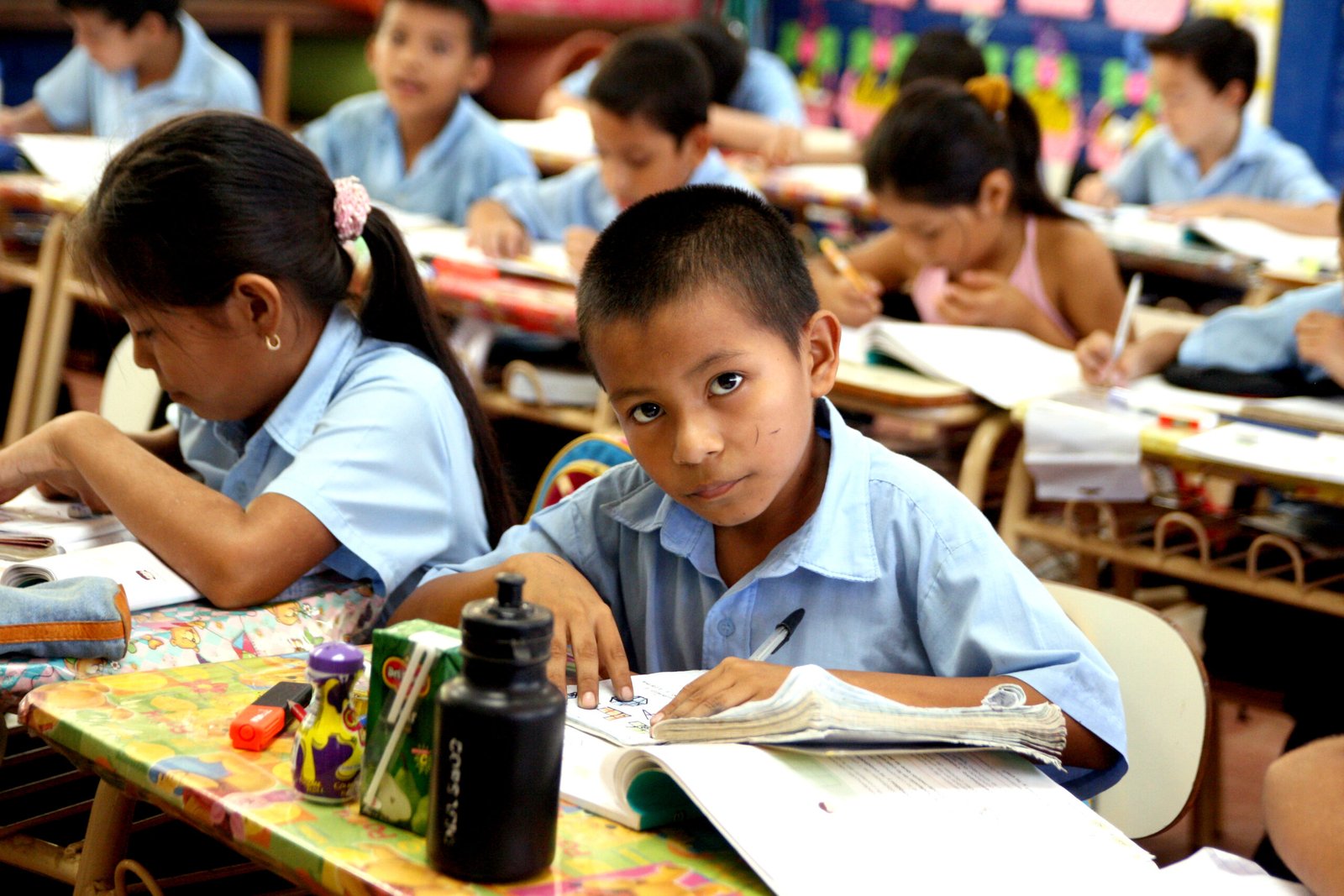
Education systems were among the first affected. Twenty-eight countries lost at least a quarter of their education funding. In West and Central Africa alone, 1.9 million children are no longer able to attend school. Humanitarian organizations, facing constrained budgets, reduced education funding requests by 33 percent, withdrawing assistance from 33 million people in need.
In the Democratic Republic of Congo, home to nearly half of the world’s 68 million children who rely on aid-dependent education systems, funding declined by $51 million. For families already living at the margins, this meant fewer teachers, overcrowded classrooms, and, in some cases, the loss of access to schooling altogether.
Health programs experienced similarly severe disruptions. Clinics closed. Medicine deliveries stopped. Human immunodeficiency virus (HIV) testing programs halted. Antiretroviral drug distribution stalled. Routine vaccinations were interrupted. At least 95 million people lost access to basic healthcare services. The Center for Global Development estimates that these gaps could result in more than 3 million preventable deaths annually.
In the Democratic Republic of Congo, when USAID-funded water and sanitation organizations closed, cholera cases increased significantly. Deaths rose from 409 in 2024 to 1,888 in 2025, a 361 percent increase. A disease that had been largely contained resurged in areas without sustained infrastructure support.
Humanitarian assistance experienced the steepest decline of all sectors, falling between 21 and 36 percent. Emergency food assistance decreased. Climate adaptation programs that supported farmers facing prolonged drought ended. Youth workforce initiatives designed to expand employment opportunities, like those run by our partners in El Salvador, concluded prematurely.
The effects continue across villages, refugee camps, classrooms, and clinics. For many communities, the loss of funding represents more than a budgetary adjustment; it marks an interruption in long-standing partnerships and shared efforts toward stability, health, and opportunity.
A call to solidarity and shared responsibility.
It can be difficult, even disheartening, to recognize the devastating impacts that this shift in U.S. policies has had around the globe. With so much uncertainty and suffering, we can feel as if there is nothing that we can do that will have any meaningful impact. However, in moments of disruption, our Catholic faith calls us to deeper solidarity. The Church affirms the dignity of every person and our shared responsibility to stand with those most affected by poverty and exclusion.
In the weeks and months following the publication of Executive Order 14169, American Jesuits International coordinated a global response, along with members of the Xavier Network, aimed at addressing the immediate needs of our Jesuit partners. Donors like you helped us rush $385,166 to Fe y Alegría, addressing the most urgent impacts of the cuts.
While this may be a drop in the bucket compared to the billions of dollars impacted by the U.S. foreign suspension, our faith reminds us that even the smallest gifts can carry the greatest importance. In the Gospel, Jesus celebrates the offering of a poor widow who offers two small copper coins. “Truly I tell you, this poor widow has put more into the treasury than all the others,” he says. “They all gave out of their wealth; but she, out of her poverty, put in everything—all she had to live on” (Mk 12:43–44).
Today, Jesuit ministries remain committed to walking alongside communities on the margins. We continue to support education and development initiatives rooted in long-term relationships and a shared mission. Our global community of solidarity has responded with generosity and resolve in the face of unprecedented changes. While funding structures shift, the mission endures. Guided by the Gospel and the Ignatian tradition, we continue to believe in the important work of the Jesuits and in our responsibility to stand with our brothers and sisters in need.