“Now I’m sure of my own worth, and I know I can reach my goals.”
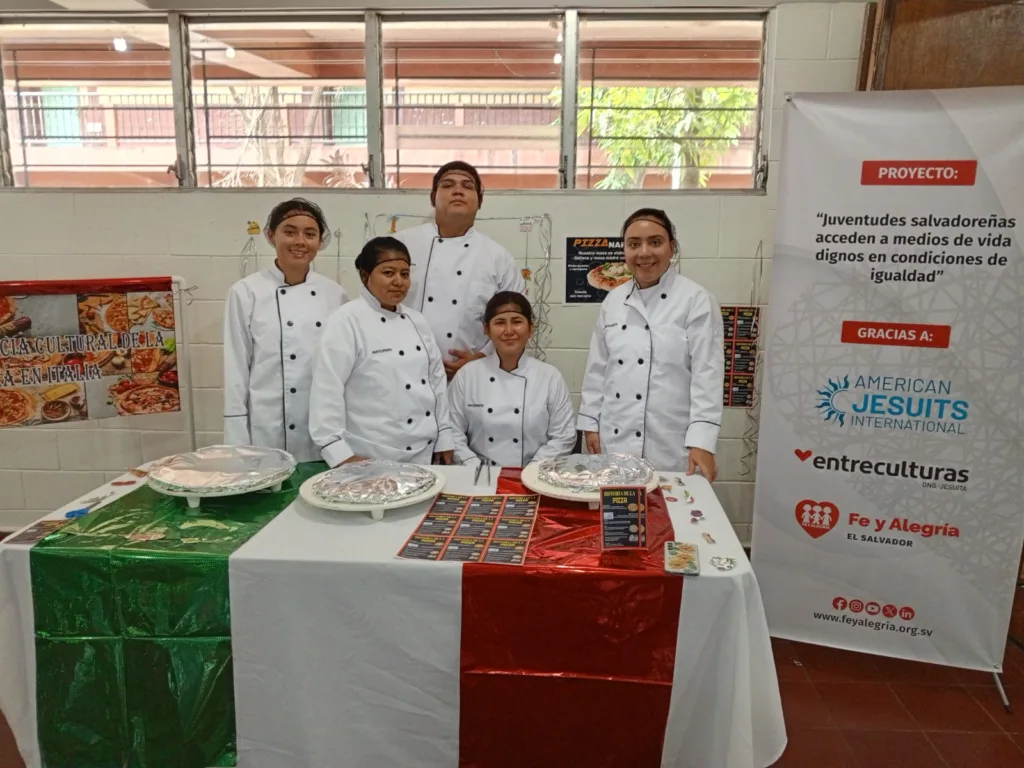
Julia has always loved to cook. So when she heard that Fe y Alegría El Salvador was offering a course in international cuisine, she was motivated to sign up.
“I was excited to learn traditional dishes from other countries and to know that this could open doors for me to get a job in a restaurant,” she says. “That was my biggest motivation: to learn something I really love and to prepare myself professionally to work in it.”
For many young people in El Salvador, the path from school to a stable job is far from guaranteed. Family responsibilities, informal work, difficult and dangerous public transportation, and a lack of practical experience are just some of the barriers keeping them out of the workforce. These challenges are amplified for young women, who face discrimination and increased risks of violence in urban communities.
In 2025, as its team adapted to changes in national and international funding for education programs, Fe y Alegría El Salvador recognized a growing need to help young people make the leap from the classroom to meaningful employment. Its technical programs in international cuisine, baking, bartending, and sales proved popular. What set Fe y Alegría apart, though, was its focus on personal growth and workplace readiness. Alongside hands-on training, young people built the soft skills they need to find dignified work. Participants learned what it’s like to work in a real kitchen and discovered how working as a team helped them grow as individuals. They also developed personal life plans that looked beyond their next job toward a brighter future.
Fe y Alegría also works hand in hand with local businesses to open job opportunities, with a particular focus on young women, who face the steepest barriers to employment.
Julia came for the cooking. She didn’t expect the rest.
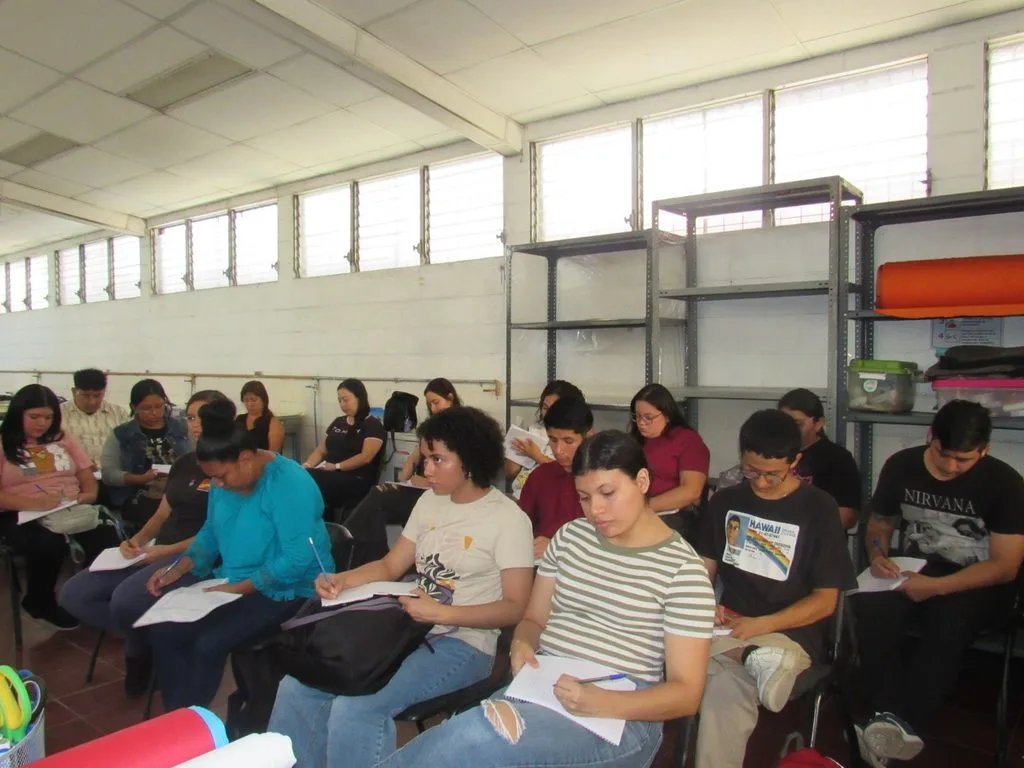
“I thought I was only going to learn how to cook food from other countries,” she says. “But in the soft-skills sessions, we talked a lot about valuing ourselves, trusting ourselves, and recognizing our abilities.”
She says that turned out to be the biggest change of all. “Before, to be honest, I didn’t believe I was capable of achieving things. But now I feel more confident. I know I can learn, work, and get ahead.”
It isn’t always easy. “People in the neighborhood are always saying things about you,” Julia says. “But now I’m sure of my own worth, and I know I can reach my goals.”
Over time, the neighbors started to see her differently, too. Some had called her haragana (lazy), a young woman who neither worked nor studied. “But when they saw me in my cooking course uniform, they realized I was working hard and that I really did want to get ahead,” she says.
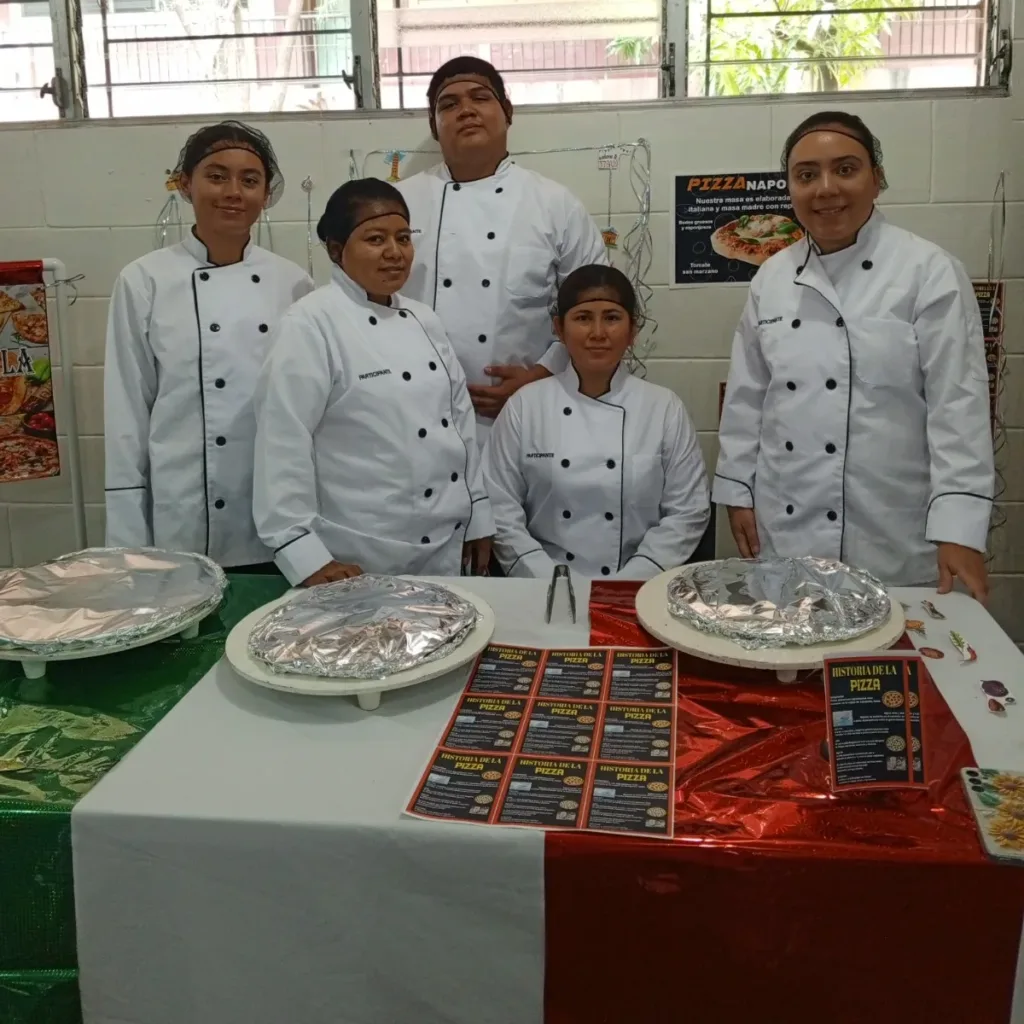
Today, Julia works in a restaurant. “That has changed the way people see me, and also how I feel about myself,” she says. “And now I can help my family with expenses. For me, that is a great source of pride.”
Her story reflects one of the clearest lessons Fe y Alegría El Salvador took from the project. Technical training opens doors, but technical skills combined with soft skills make the biggest difference. Employers value more than technical know-how. They also look for people who can communicate, work as part of a team, and adapt to a changing workplace. For young women who are often underestimated, being trained as a whole person can change how they see themselves just as much as it changes their job prospects.
The impact also reaches the people at home. On average, each participant lives with at least three family members, and those families feel the difference when a daughter or sister brings home a steady income.
When a young woman in El Salvador is supported not only to learn a trade but to recognize her own worth, the change shows: in a uniform, in a paycheck shared with her family, and in the way her neighbors now look at her.
Julia’s name has been changed to protect the participant’s privacy.