Just over a year after the suspension of U.S. foreign aid disrupted education and development programs worldwide, Fe y Alegría continues to respond to the lasting effects of those policy decisions. At the same time, they have been met by sustained generosity from our Jesuit community of solidarity.
Because of that support, American Jesuits International has worked alongside our partners to chart a path forward rooted in collaboration, creativity, and shared responsibility. In the immediate aftermath of the suspension, our emergency response raised $385,166 to help Fe y Alegría address the most urgent impacts of the cuts. Since then, we have worked with the Xavier Network, Catholic foundations, and donors across the United States to keep programs open and to respond to evolving needs in communities on the margins.
The past year has brought deep challenges as well as moments of resolve and hope. As we look ahead to 2026, we remain hopeful that the generosity of our community will be matched by the reinstatement of U.S. foreign aid funding for organizations like Fe y Alegría.
Severe and Uneven Impacts Across the Network
As Fr. Dani Villanueva, S.J., General Coordinator of Fe y Alegría International, has emphasized, the federation’s financial model has historically relied on national governments, which hold primary responsibility for public education systems. International cooperation has served as a critical complement, particularly in contexts where existing education systems cannot respond fully to the realities communities face.
Communities on the margins often contend with overlapping social, economic, and environmental pressures that exceed the reach of public services alone. In these settings, Fe y Alegría lives the Jesuit call to magis by offering education alongside psychosocial support, family engagement, and community-based responses shaped by local realities.
When U.S. foreign aid was suspended, the effects were immediate. They were also uneven. Countries that relied more heavily on international cooperation experienced the most severe disruption, particularly to programs that extended beyond formal education.
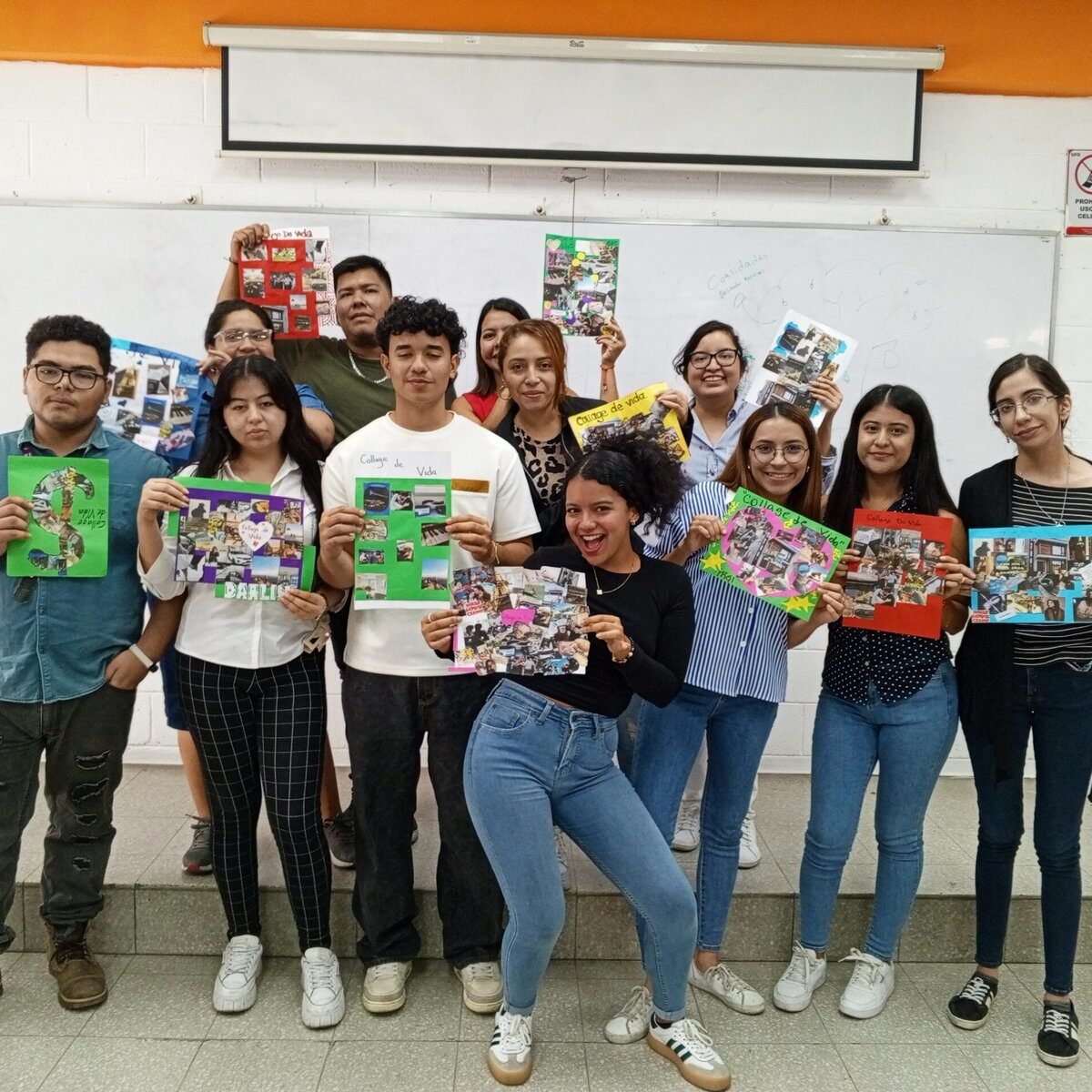
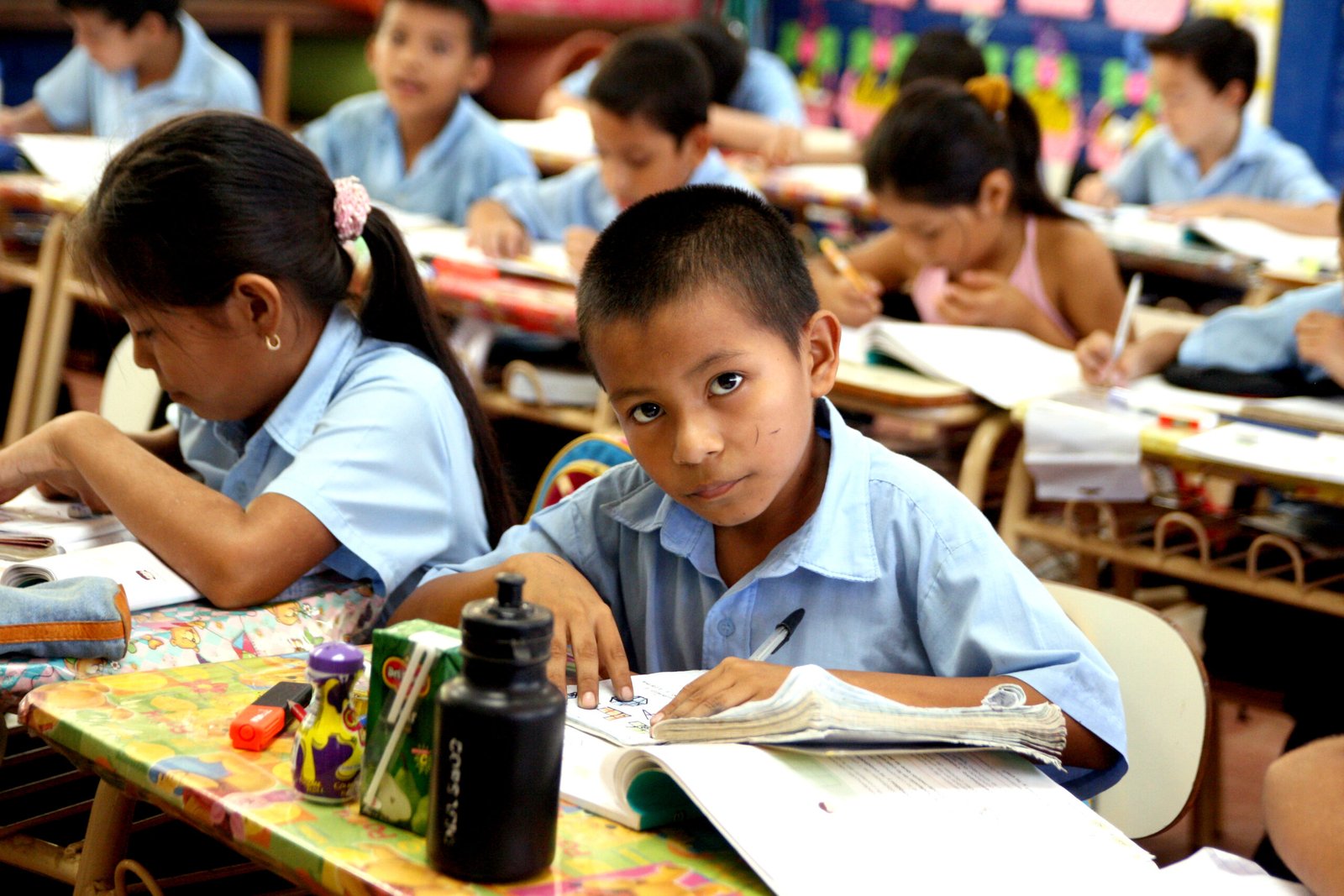
In El Salvador, the suspension destabilized a significant portion of Fe y Alegría’s operations and affected up to 65 percent of the national budget. Educational reinforcement in literacy and mathematics was suspended for more than 4,500 learners, and 2,415 young people were unable to continue technical and vocational training. Psychosocial services for over 1,200 individuals ended abruptly. Nearly 400 students experienced a complete interruption in their education, and 100 participants lost access to entrepreneurship programs. The crisis also resulted in the dismissal of 81 staff members, many of whom had long accompanied the communities they served.
In response, Fe y Alegría El Salvador identified two immediate priorities. The first was restoring educational support for at least 200 people directly affected by the USAID funding freeze. The second was developing a renewed institutional management strategy focused on sustainability and reduced vulnerability to future funding shocks.
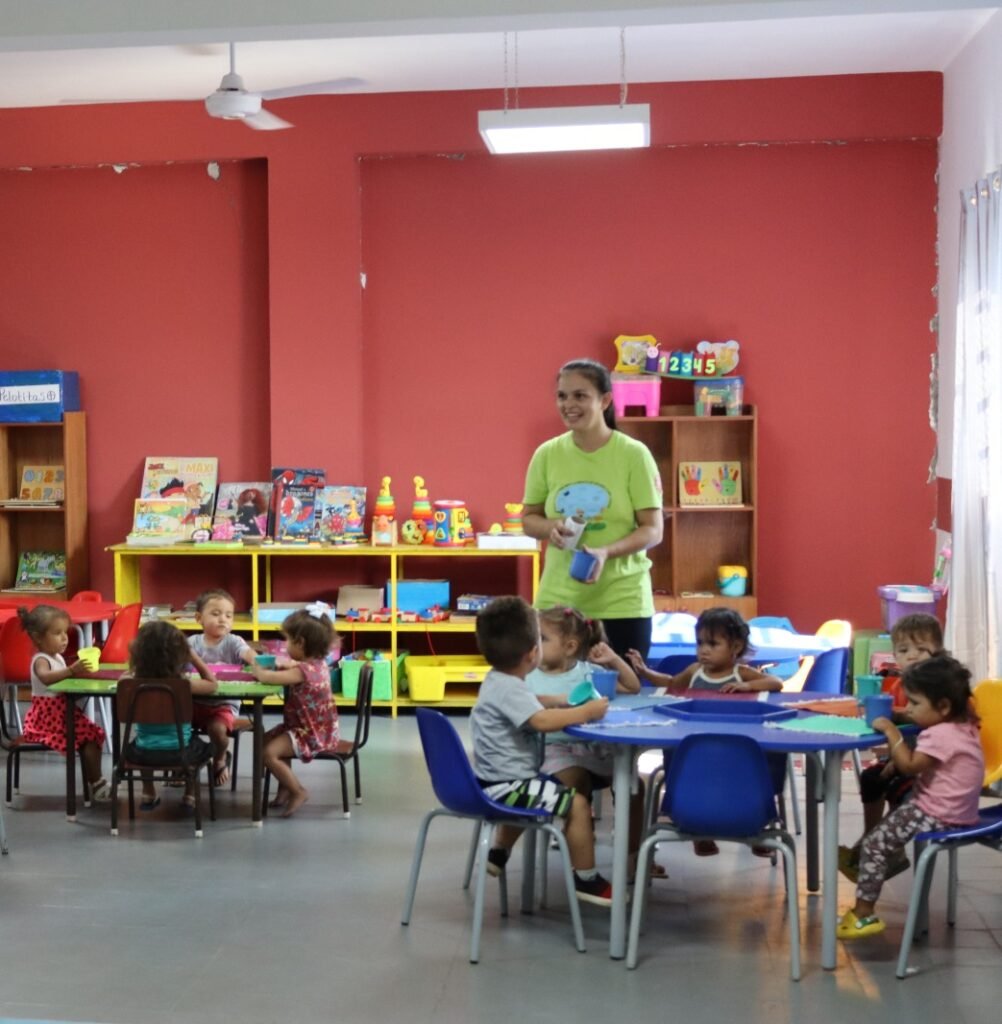
In Paraguay, the loss of U.S. foreign aid for Fe y Alegría placed at risk programs designed to address needs beyond the classroom. Funding had supported an early education and inclusive education model that combined academic instruction with psychosocial and family-based interventions. The cuts halted plans to engage an educational psychologist who worked with teachers to support 1,655 student learning in areas such as autonomy, responsibility, language, and mathematics, and to provide classroom tutoring responsive to diverse learning needs.
Workshops for parents that supported positive parenting and reinforced their role in their children’s education were also suspended. Services for children with disabilities, including assessment, targeted intervention, and access to adapted learning materials, were reduced. As a result, schools were left with fewer tools to respond to students who required additional support.
These programs addressed needs that are not always visible but remain essential to dignity in education, including mental health, inclusion, and family engagement.
An Emergency Response Rooted in Solidarity
Following the suspension, American Jesuits International led the Xavier Network’s global fundraising appeal which mobilized emergency support for Jesuit partners most affected by the cuts. The first ninety days unfolded in a volatile and unpredictable environment. Projects were canceled, partially reinstated, and frozen again as conditions shifted with little guidance. As reserves diminished, partners were forced to suspend programs, lay off staff, and scale back services even as community needs grew.
As a clearer picture of the impacts emerged, AJI and its partners shifted from crisis response to stabilization. Through the Xavier Network’s coordinated global effort, AJI allocated funding to support Fe y Alegría programs across Latin America in places such as El Salvador and Paraguay. These funds helped maintain access to education, supported the reopening of early childhood education programs, and protected bilingual, intercultural education for Indigenous and Afro-descendant children in Central America.
While this support could not replace the scale of lost public investment, it prevented the full collapse of essential programs and ensured that many communities continued to receive accompaniment during a period of deep uncertainty.
The Human Cost and the Limits of Emergency Aid
Even with emergency funding, the gap left by the withdrawal of public aid could not be fully closed. Across the Fe y Alegría network, some programs were permanently discontinued, and hundreds of staff members lost their jobs. In these circumstances, Fe y Alegría worked to provide the most just and dignified offboarding processes possible, recognizing the personal and communal toll of these losses.
The limits of private funding remain clear. Public foreign aid plays a structural role that cannot be replaced through emergency appeals alone, particularly in education systems that are already under strain.
Looking Ahead with Resolve
AJI will continue to seek new sources of support for its partners, while Fe y Alegría advances efforts across the network to strengthen sustainability and reduce long-term vulnerability. These efforts are unfolding amid rising numbers of out-of-school children, climate-related disasters that disproportionately affect the poorest communities, and economic instability that continues to shape daily life for families.
Despite these challenges, the mission of Fe y Alegría and its Jesuit partners remains unchanged. They continue to accompany communities on the margins with persistence and hope, grounded in solidarity and a shared commitment to human dignity.
Together with partners like Fe y Alegría, we remain committed to building a future shaped by collaboration, responsibility, and care for those most often left behind.