Cuba is currently facing a prolonged social and economic crisis that is reshaping nearly every aspect of daily life. While economic strain on the island has persisted for many years, recent natural disasters, viral outbreaks, ongoing fuel shortages, and tightening U.S. sanctions have deepened the humanitarian crisis.
As tensions with the United States escalate, Cubans continue to face shortages of food, medicine, and basic goods, along with frequent electrical blackouts and rising inflation. These conditions have pushed many vulnerable communities deeper into instability and uncertainty. Among those most affected are older adults, who often face isolation, limited mobility, and reduced access to essential resources.
Amid this reality, Church leaders have continued to call for hope, dignity, and renewed commitment to the common good. In a recent homily for Cuba, Cardinal Michael Czerny, S.J. prayed:
“Let us pray, then, that the beloved land of Cuba may know days of greater serenity, of authentic human and social development, of harmony and hope.”
Cardinal Michael Czerny, S.J.
His words reflect both the seriousness of the present moment and the Catholic Church’s continued call to care for those in need. Despite the challenges of working in Cuba, the Jesuits are responding to this call today.
The Jesuit response in Cuba: Accompaniment through the Loyola Centers Network
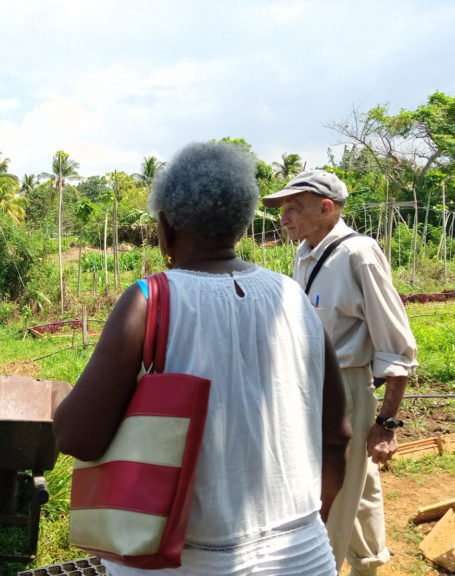
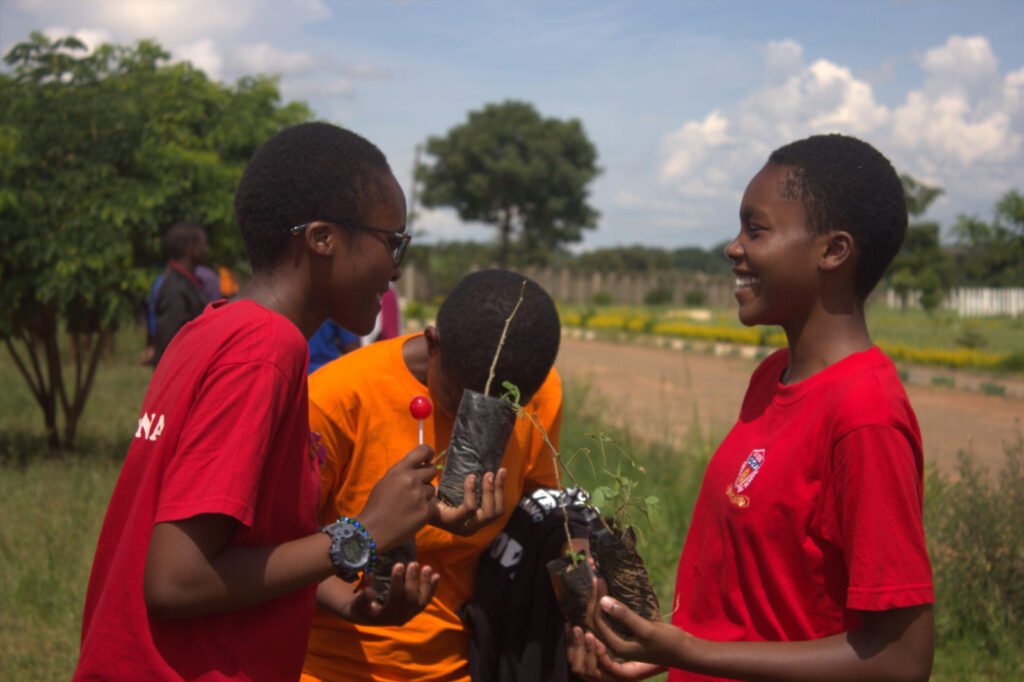
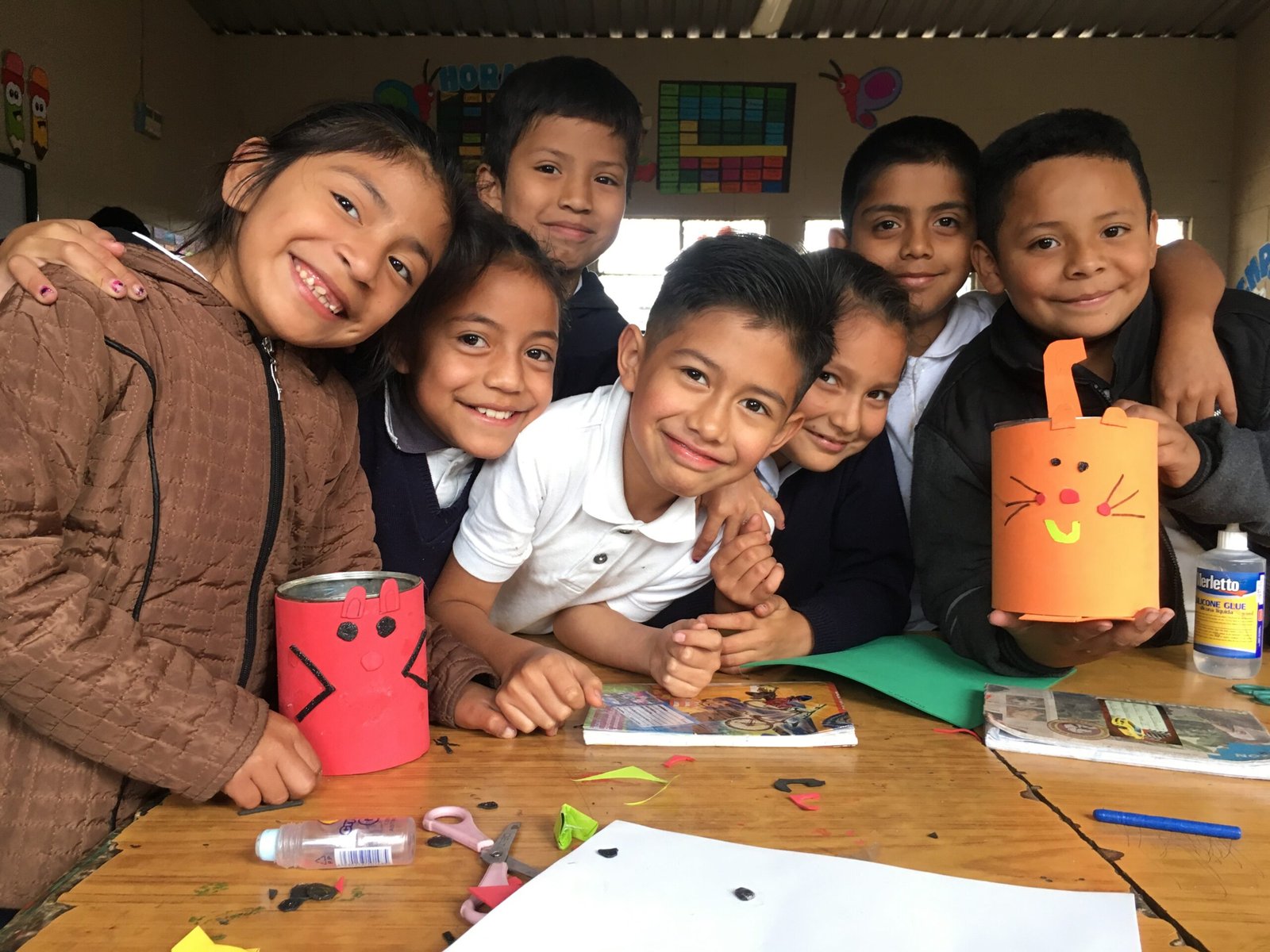
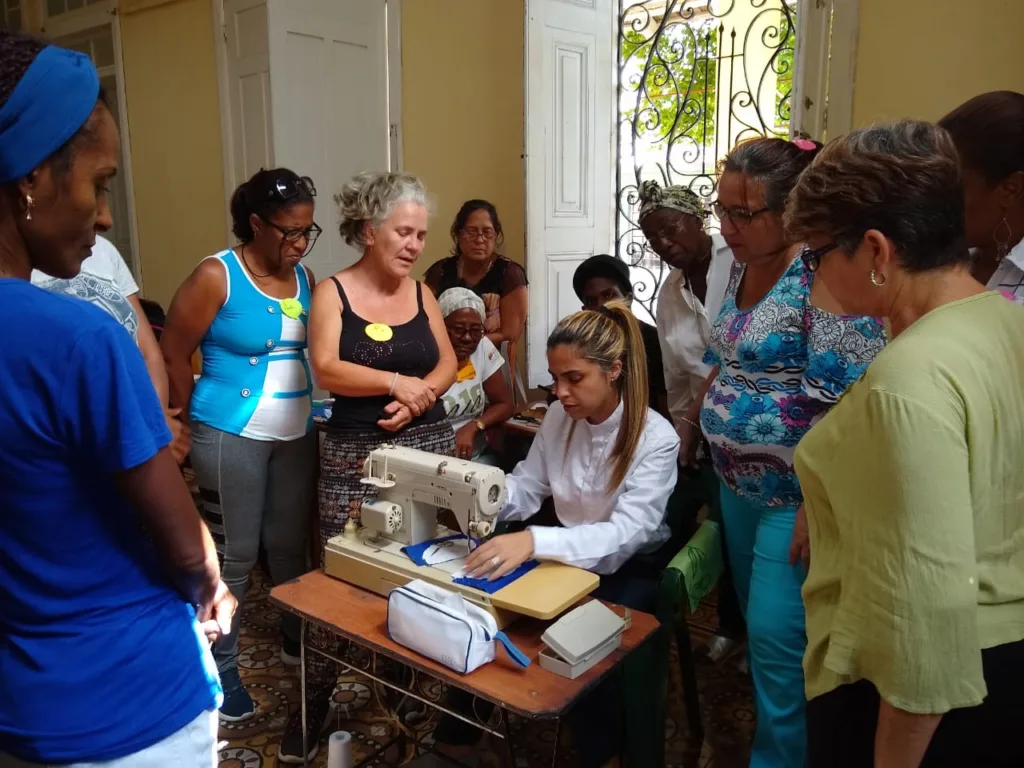
The Jesuits in Cuba continue to accompany communities across the island through the Loyola Centers, a long-standing network of six social centers located in the provinces of Havana, Cienfuegos, Camagüey, and Santiago de Cuba. Loyola Center programs support people facing economic hardship, social fragmentation, as well as psychological and emotional strain.
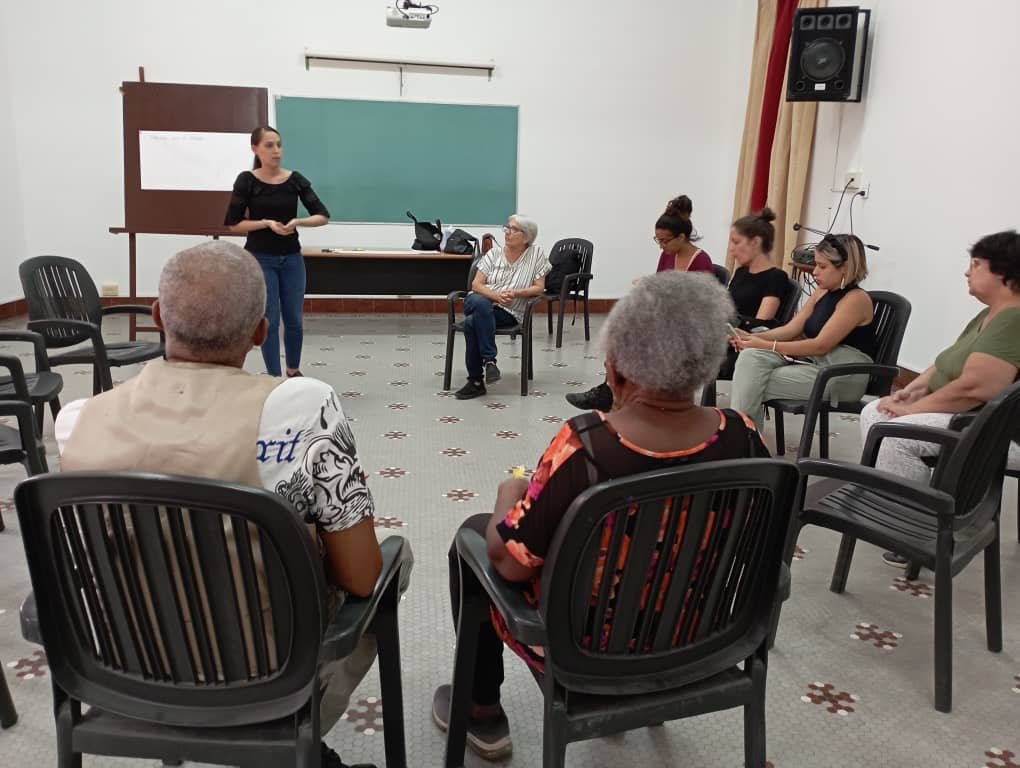
Their work is not a short-term emergency response, but a long-standing commitment to accompanying the Cuban people. The Loyola Centers provide “a space where bridges are built and new forms of dialogue and collaboration between faith and society are sought.” Programs such as the Family Orientation Program, which American Jesuits International supports, integrate multiple dimensions of accompaniment that respond to both immediate needs and longer-term human development.
Across different local contexts, the Loyola Centers provide:
- direct social support for vulnerable individuals and families
- psychological counselling and community accompaniment
- vocational and life formation programs that support dignity, skills development, and personal agency
At the center of this approach is a deliberate commitment to ongoing pastoral presence. Reflecting on this commitment in a conversation in spring 2025, Fr Danny Roque, SJ, Director of the Loyola Centers Network in Cuba, explained:

“The Society of Jesus, and the Loyola Centers as a work of the Jesuits, have decided that we will accompany those who stay in Cuba. However, we are not accompanying them as passive actors in this reality, but rather as individuals who are protagonists in their own lives.”
This framing is especially significant in a context where many Cubans are leaving the country in search of better opportunities abroad. While migration continues to reshape families and communities, the Jesuits remain present with those who stay, offering continuity, trust, and long-term accompaniment.
Why elderly Cubans are especially vulnerable
Among the most affected groups in Cuba’s current crisis are older adults, who often experience both economic exclusion and social isolation. While informal economic activity plays a central role in helping many families survive, participation in these networks typically depends on physical capacity, access to goods, or the ability to trade and move within local systems of exchange.
For many elderly people, these conditions create a heightened vulnerability. Reduced income opportunities, declining health, and separation from family members who have emigrated all contribute to a growing sense of marginalization.
In a previous interview with our team, Fr. Danny explained:
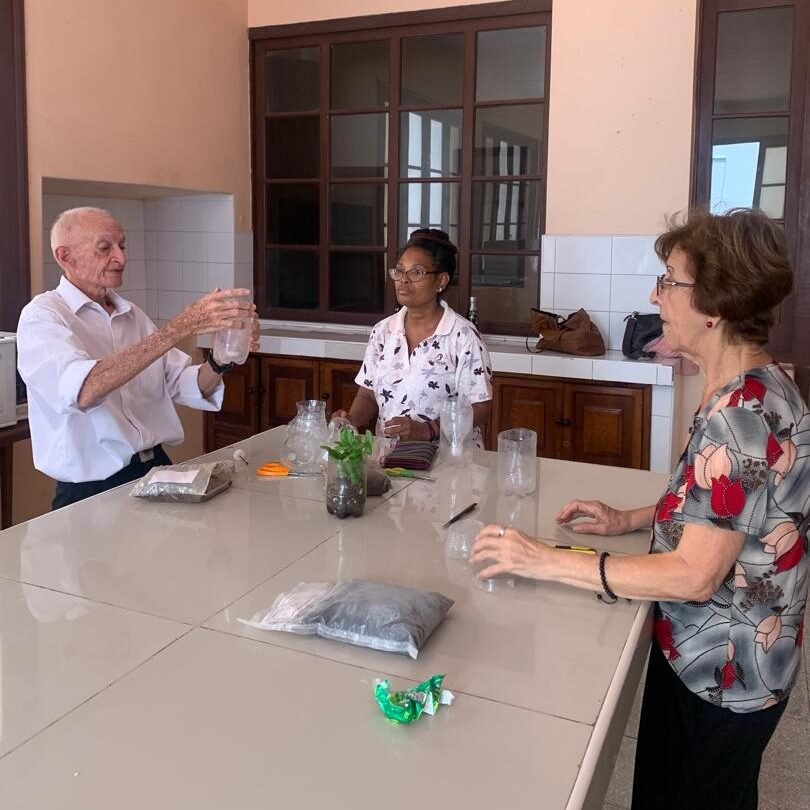
“In the Cuban context, those who are most vulnerable to being left behind are seniors. They have little to offer in this informal economy.”
He expanded on this reality in a recent article published by the Jesuit Curia in Rome:
“Around 2021, when the context of monetary policy changes emerged, we observed that, even with the increase in pensions, it represented very little money compared to the rising cost of living, particularly for food.”
Within this context, the Loyola Centers’ focus on accompaniment takes on particular importance. Fr. Danny explains:
“We made the decision to provide more direct support and to embrace as part of our mission in Cuba not only charitable work for the elderly but also their social advancement. We sought to ensure that this approach was integrated into all the work of the Society of Jesus in Cuba, which is carried out primarily in parishes and Loyola Centers.”
For elderly participants, these spaces often become places of consistent human presence, listening, and care, offering a counterpoint to isolation and invisibility.
A Church that remains close
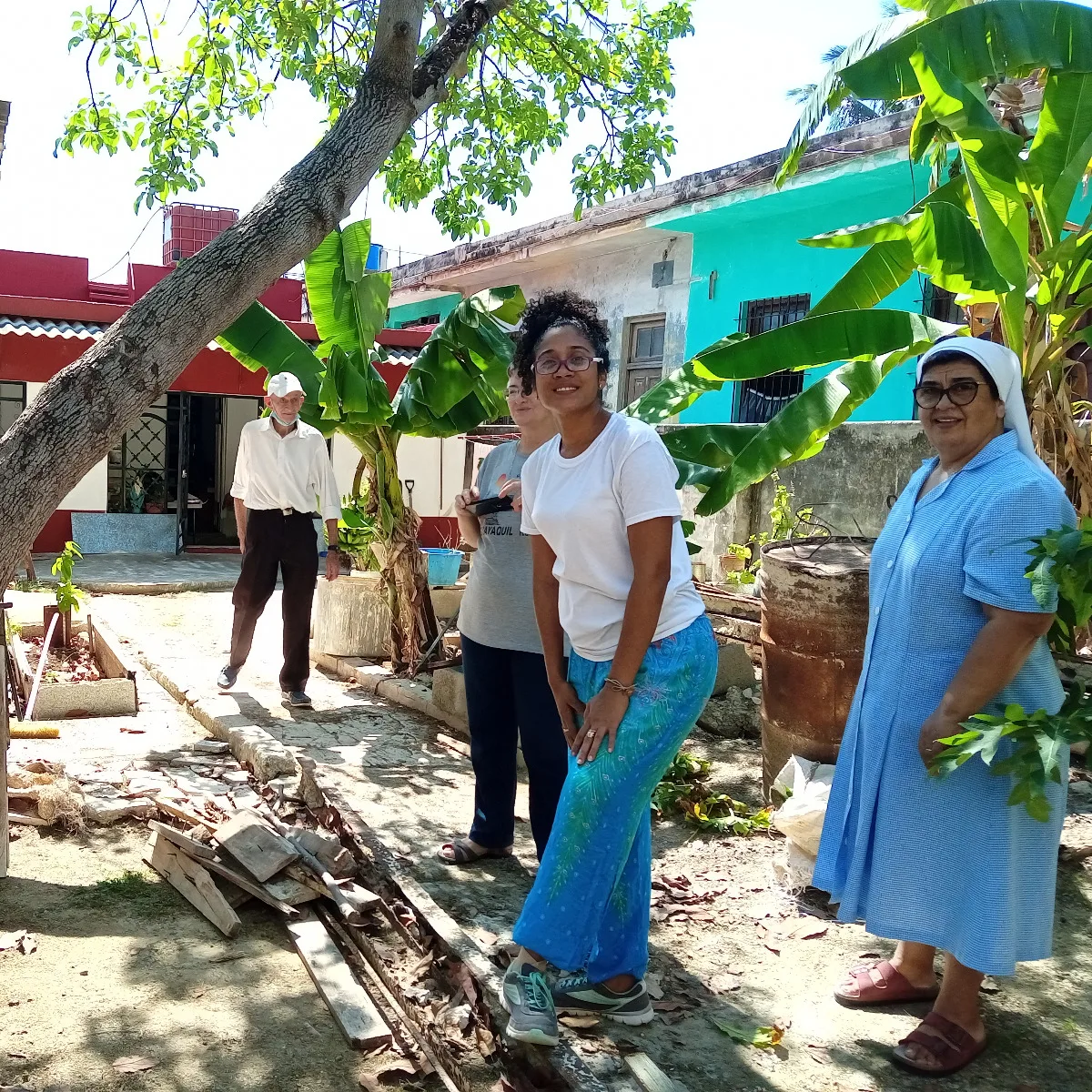
The Jesuit presence in Cuba is closely linked to the Catholic Church’s broader commitment to advocating for the Cuban people and calling for humanitarian support. In addition to Cardinal Czerny’s homily on Cuba, the Church continues to play a role in accompanying communities and supporting relief efforts on the island.
Recent reports have indicated that the U.S. government has considered offering $100 million in aid to Cuba, which would be distributed by the Catholic Church and other organizations. However, at the time of writing, reports suggest there are new roadblocks preventing a final agreement.
In a context where many institutions face limitations, the Church’s role is often expressed through proximity, listening, and long-term relational engagement. The Loyola Centers embody this approach by remaining embedded in local communities, even as broader social conditions shift. Their work reflects a conviction that accompaniment is not temporary or transactional, but sustained and relational.
How you can support the Jesuits in Cuba today
The Jesuits invite people around the world to stand in solidarity with communities in Cuba through prayer, advocacy, and practical support.
Pray with us
Join us in prayer for the Cuban people, especially for families facing daily uncertainty, and for those working to accompany them through the Loyola Centers network.
Advocate for support of the Cuban people
Encourage sustained humanitarian engagement for Cuba and call on policymakers to prioritize the urgent needs of ordinary Cubans. This includes urging U.S. leadership to support the delivery of humanitarian aid in ways that prioritize the wellbeing of the Cuban people and avoid conditions that could delay or restrict urgently needed assistance.
Support the mission financially
If you are interested in supporting Jesuit work in Cuba and their ongoing work through the Loyola Centers network, please contact:
development@weareaji.org