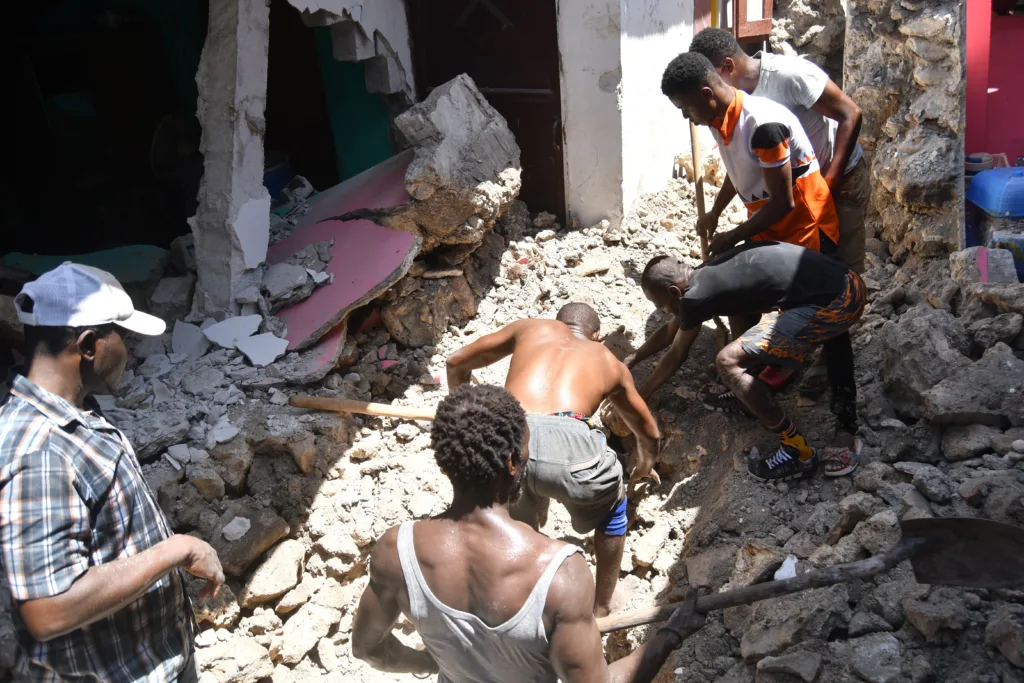
Five years ago, on August 14, 2021, a magnitude 7.2 earthquake struck southern Haiti. I remember the images, the uncertainty, and the painful realization that, once again, Haiti was facing a tragedy that would have consequences long after the ground stopped shaking. We cannot look back on that earthquake simply as an event of the past. Nearly 2,000 people were reported dead, thousands were injured, and close to 30,000 families were left homeless. The South and Grand’Anse departments, places already marked by poverty and previous natural disasters, were among the areas hardest hit.
Five years later, what stays with me is not only what the earthquake destroyed; it is the question of why a natural disaster so easily becomes a lasting humanitarian crisis. Haiti has always been vulnerable to hurricanes, earthquakes, floods, and droughts. But nature alone does not explain the depth of our suffering. Fragile infrastructure, inadequate disaster preparedness, poverty, political instability, insecurity, and limited public services make recovery difficult. A family may survive an earthquake but lose its home, livelihood, school, access to health care, and sense of security all at once. For some, displacement within Haiti or, eventually, migration abroad becomes one of the few imaginable paths forward.
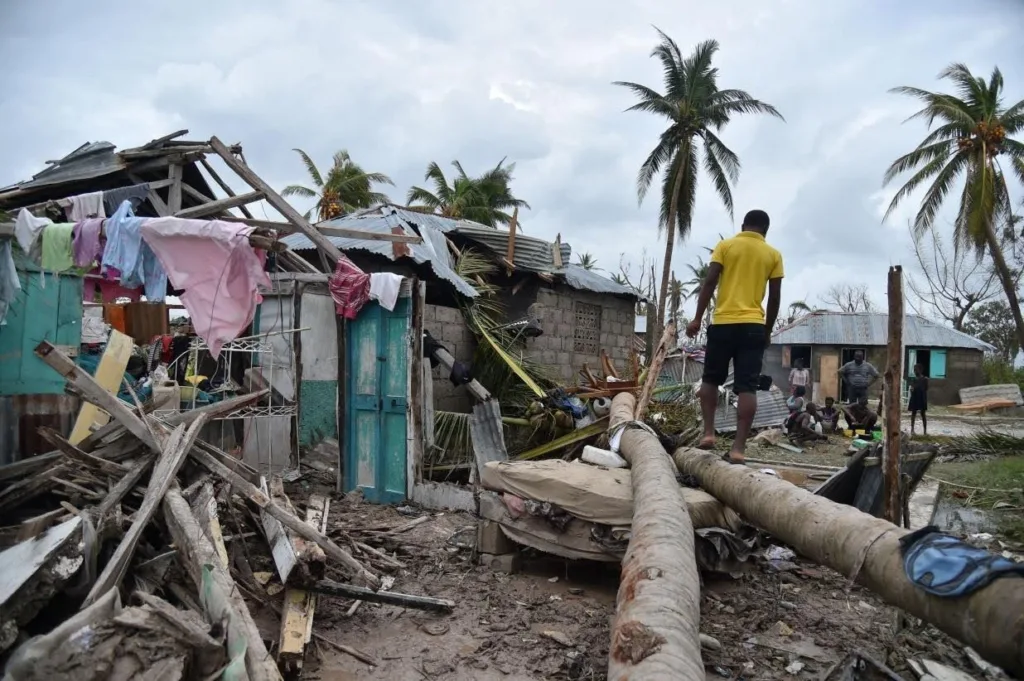
This is one of the chronic realities Haiti continues to face: we repeatedly respond to emergencies without sufficiently reducing the vulnerabilities that make the next emergency so devastating. “Charity cannot be delayed,” Pope Leo XIV reminds us. For me, these words speak not only to the urgency of responding in the first hours and days after a disaster. They also speak to the responsibility to remain present after the emergency has passed, when media attention fades and international attention shifts elsewhere, but families and communities are still rebuilding their lives.
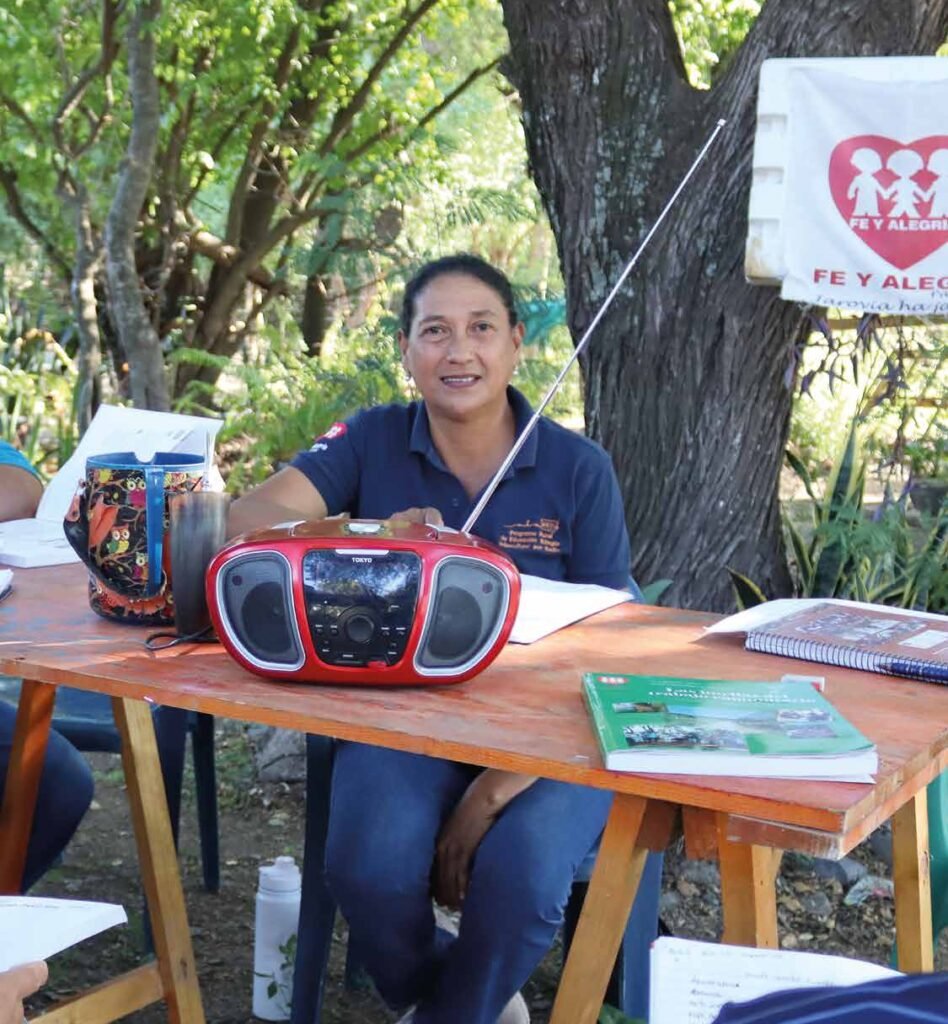
After the 2021 earthquake, the Jesuit solidarity network mobilized. American Jesuits International (AJI) helped raise resources in the United States to support Jesuit partners working directly with affected communities in Haiti, including Foi et Joie Haiti (Fe y Alegría) and the Jesuit Migrant Service. This response mattered not only because resources were transferred, but because they could be placed in the hands of organizations with local knowledge, relationships, and a long-term presence among the communities they served.
The Jesuit response focused not only on constructing housing resistant to earthquakes and cyclones but also on providing psychosocial, spiritual, and ecological support to help families rebuild their lives and better prepare for future disasters. Families were invited to participate in planning, training, and strengthening community solidarity. For me, this remains one of the most important lessons five years later: it is not enough to rebuild for people; we must rebuild with them. Haiti’s experience reminds us that solidarity is not simply about helping people survive. It is about accompanying them so that they can continue to be agents of their own future.
Haiti still needs solidarity, but a solidarity capable of staying beyond the emergency. A solidarity that does not ask whether people survived, but whether they can live with dignity, remain in their communities when possible, make choices about their future, and hope again. Perhaps that is the challenge before us: not simply rebuilding what was destroyed, but helping build a country where the next disaster does not have to become another humanitarian catastrophe.