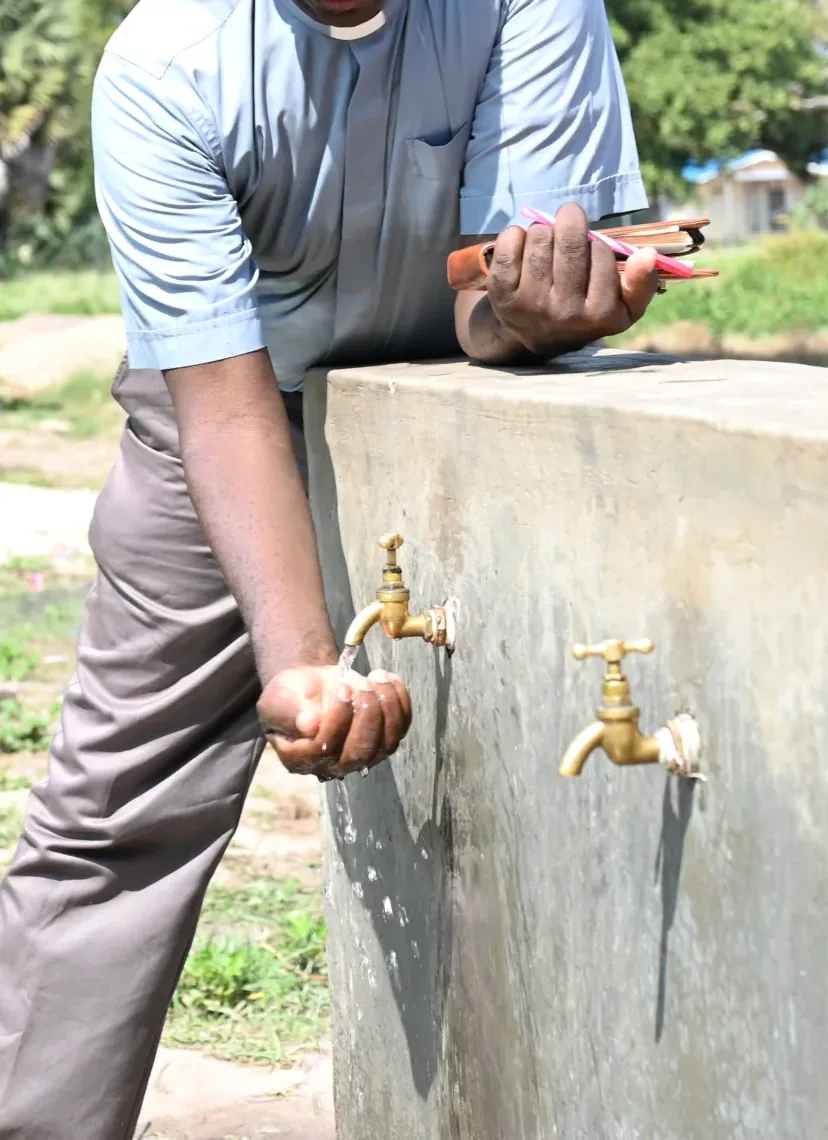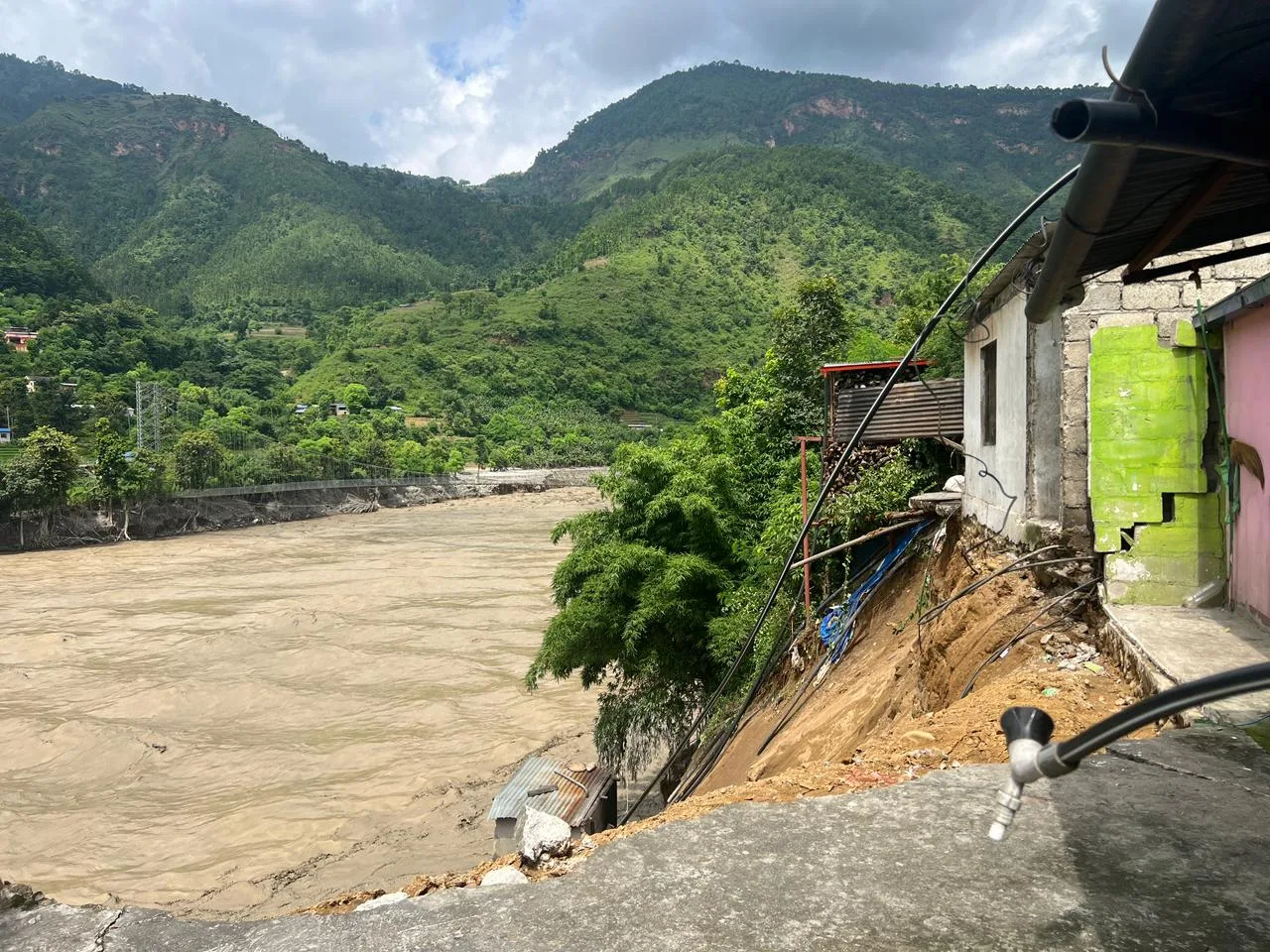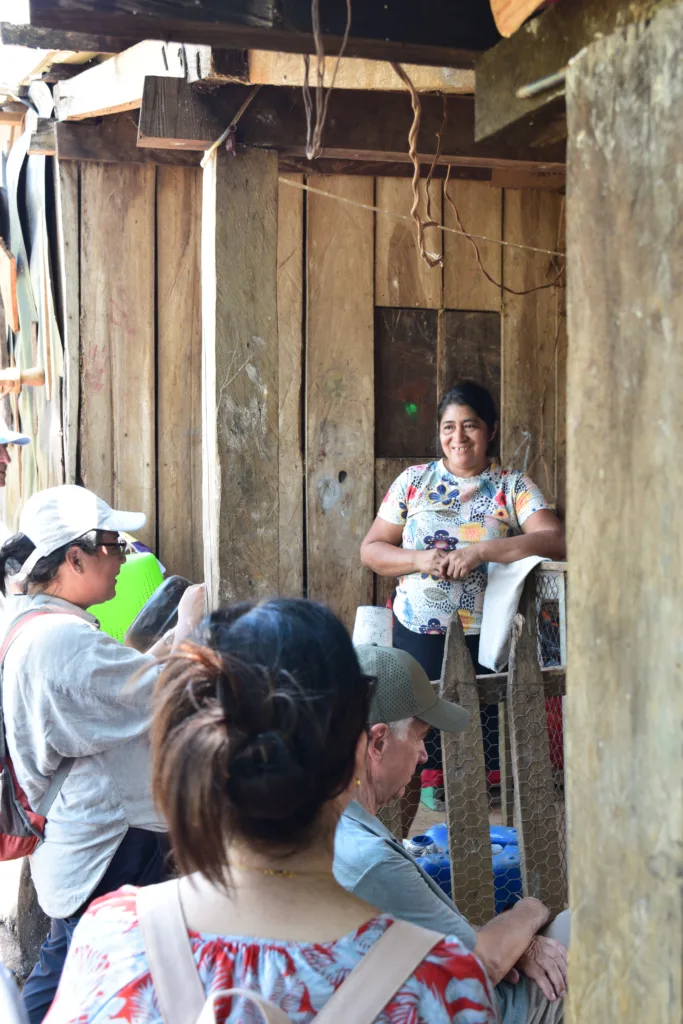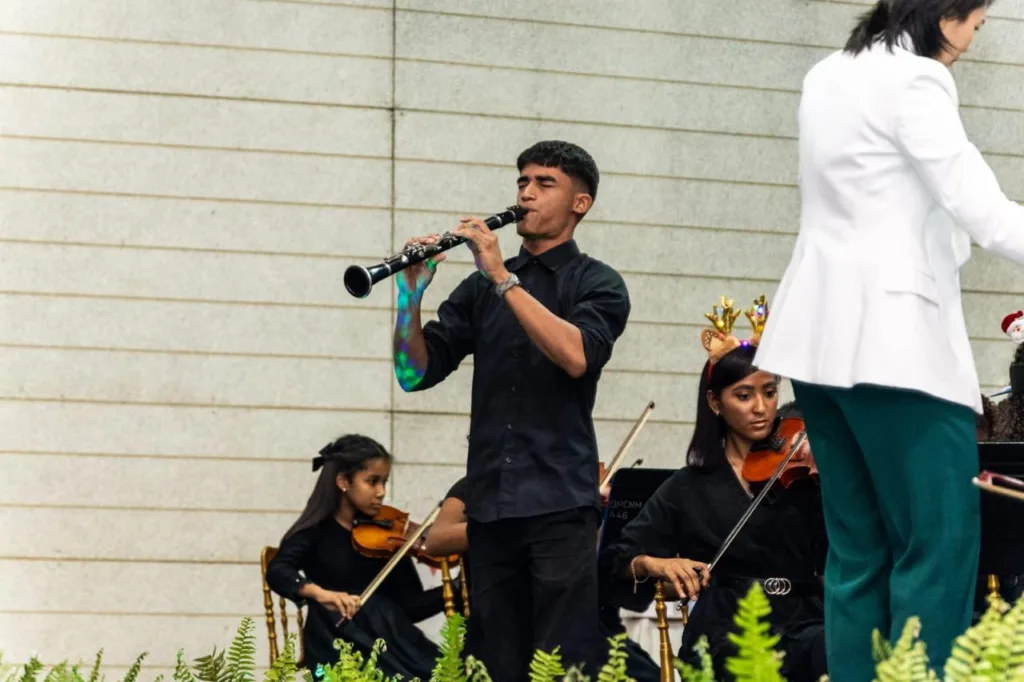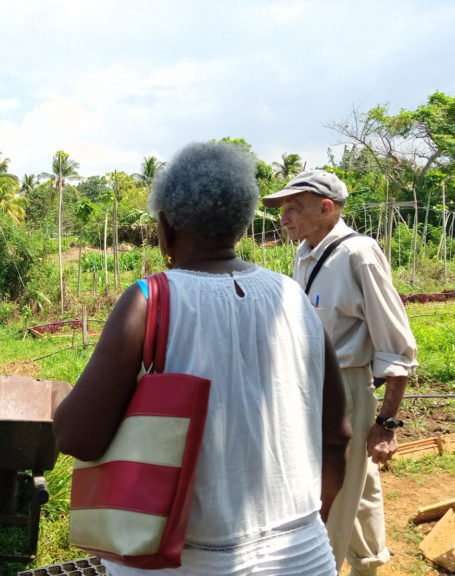
On September 15, 2026, Ixchel Palencia, Projects Manager for American Jesuits International (AJI), and I crossed from Dajabón in the Dominican Republic into Ouanaminthe, Haiti. The crossing was informal, the same uncertain passage that shapes daily life for thousands of families living along this border. Over the next three days, guided by Fr. Maréus Tousséliat, S.J., Director of Foi et Joie Haiti, part of the Fe y Alegría network, we visited schools, offices, and communities.
Ouanaminthe is directly across from the Dominican city of Dajabón. Arriving there, we noticed right away that the town was far more crowded than in previous years. Families displaced by violence elsewhere in Haiti, and people returned from the Dominican Republic, are arriving faster than local services can absorb them. But markets, streets, and churches remain full of life. That mix of difficulties and determination would mark every visit that followed.
The Jesuits’ presence in the northeast Haiti rests on two works: Foi et Joie Haiti, which runs schools for children who might otherwise have none, and the Jesuit Migrant Service, known locally as Solidarité Fwontalyè.
Schools That Are More Than Schools
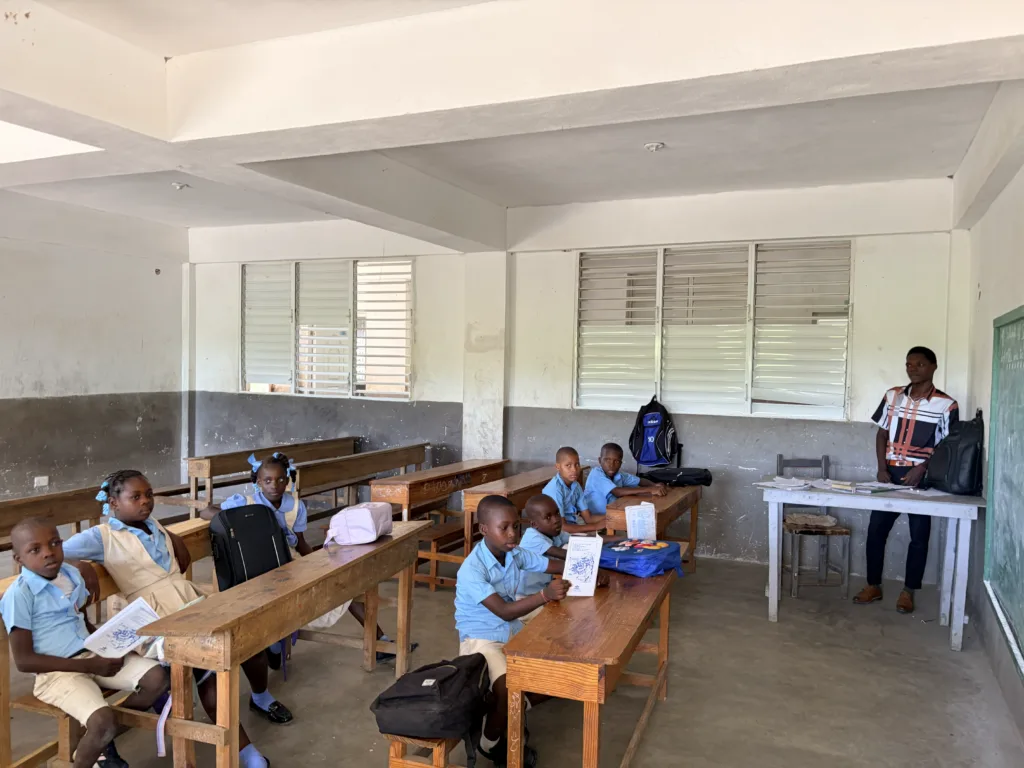
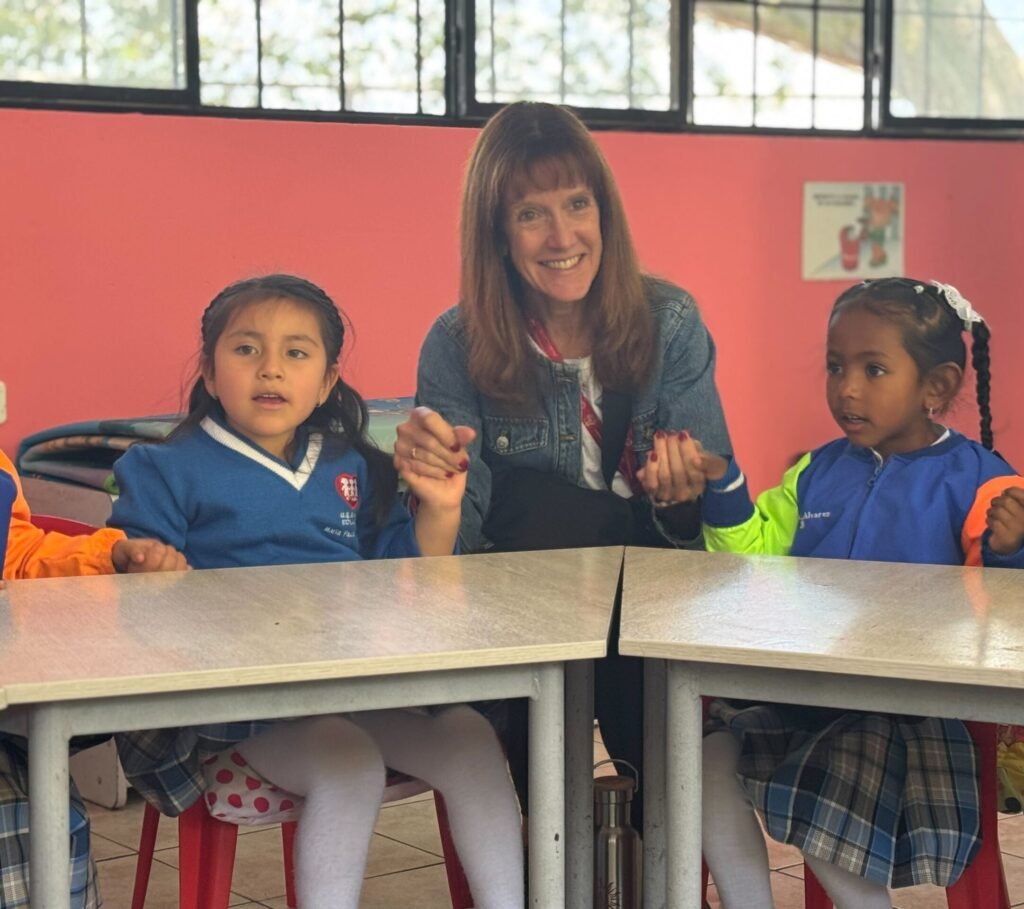
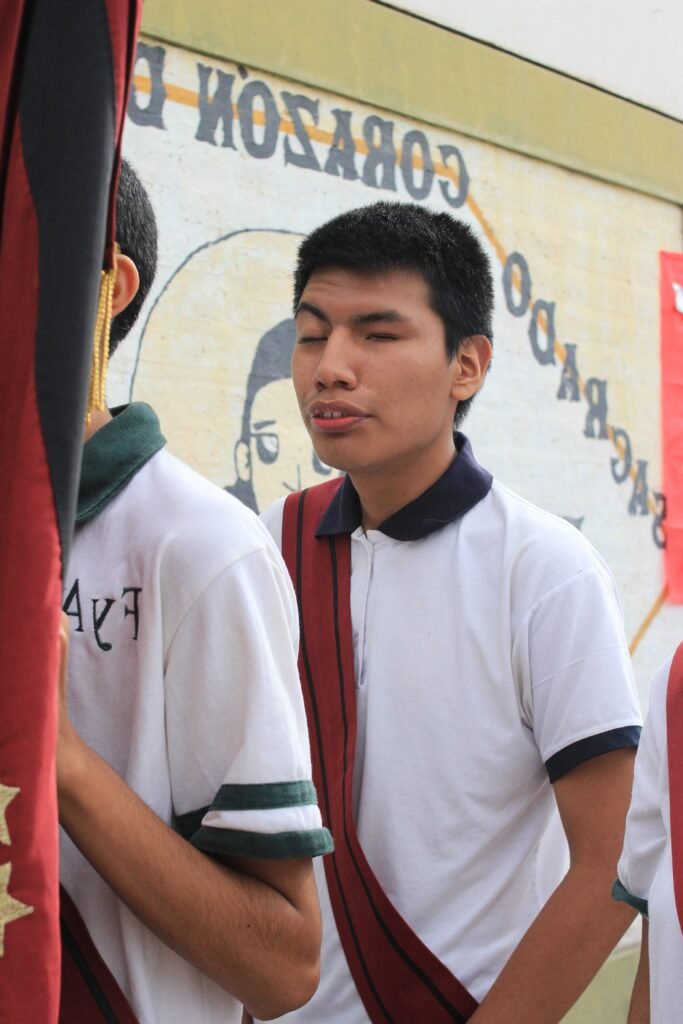
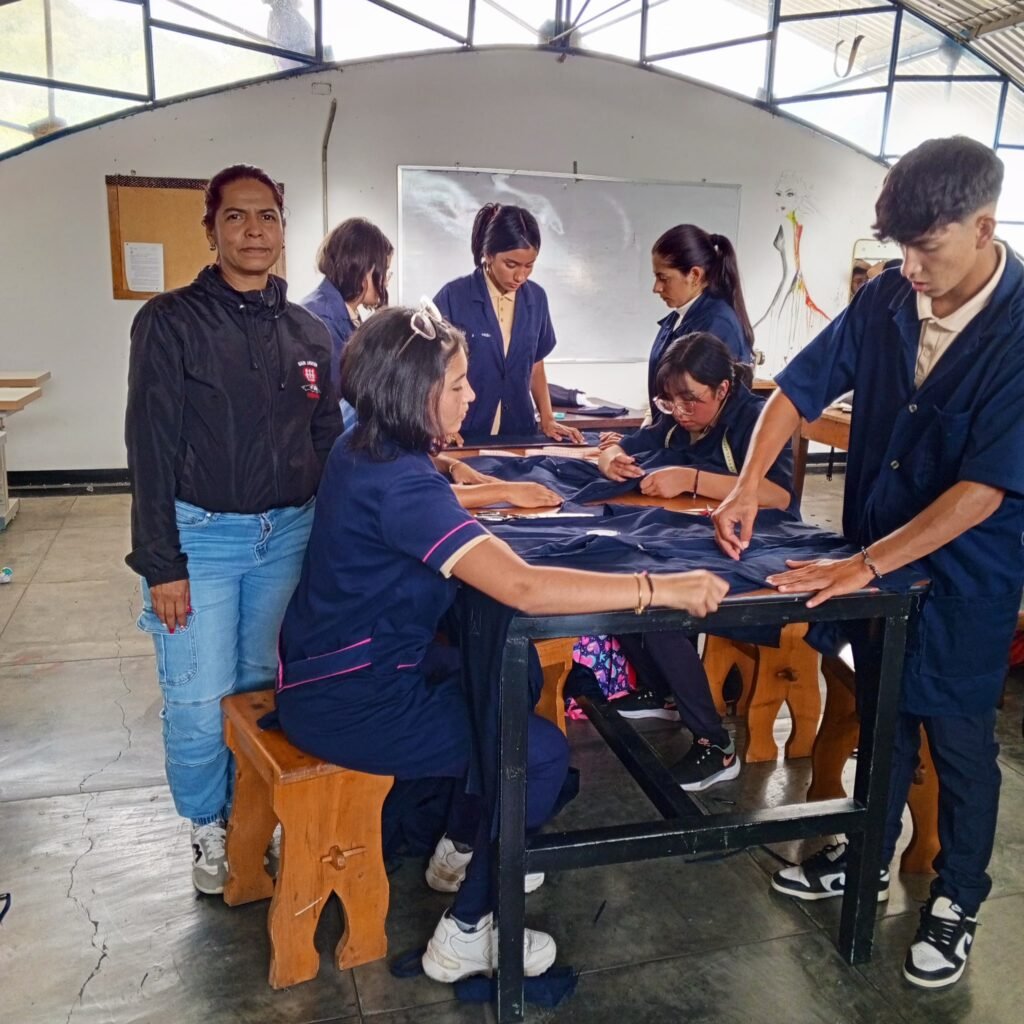
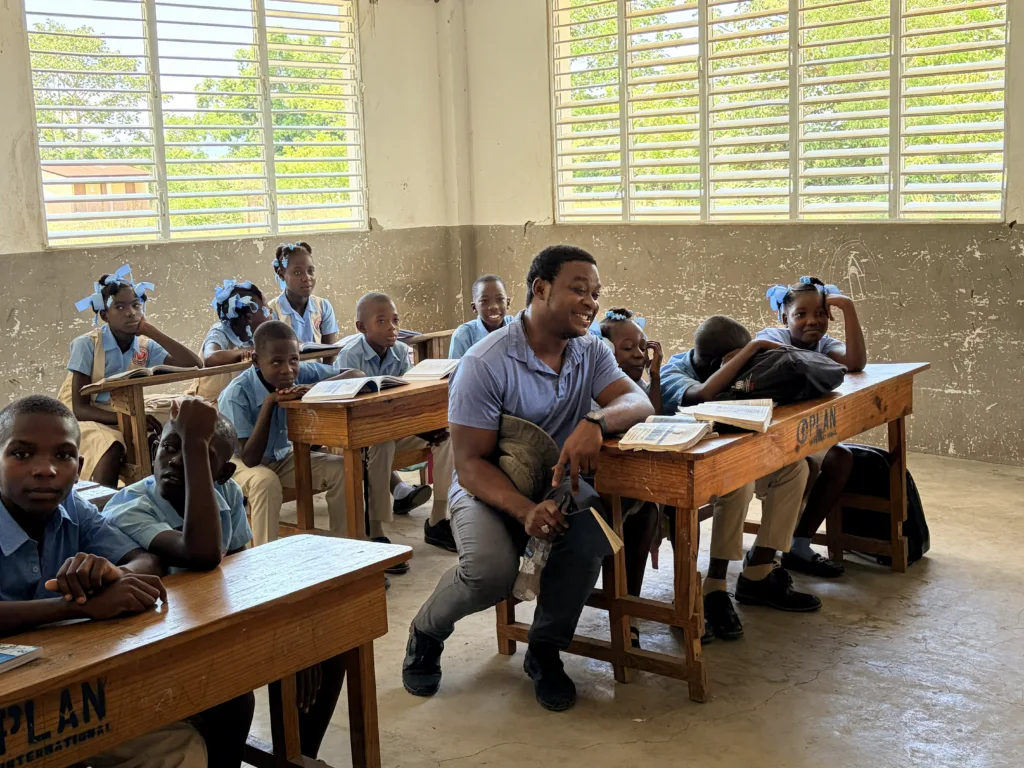
In the Foi et Joie school, what stayed with us most was the students themselves. In modest classrooms, they were joyful, curious, and engaged. In the Foi et Joie school in Bédou, directed by Sr. Mukebe Mikoka Godleave of the Company of Mary, we saw what is possible with stronger foundations: expanded classrooms, a well-equipped chemistry laboratory shared with other schools in the area, and dedicated psychosocial accompaniment.
Sr. Mukebe and her colleagues described how students were at first hesitant to open up to the sisters. Over time, trust grew. Students began sharing what was happening in their lives and families, and the school could finally respond to the protection concerns behind the silence. The students had their own requests, and they were simple ones: a safe place to play football and basketball, and fans to make the heat in their classrooms bearable.
In northeast Haiti, a good education means academics, but it also means safety, trust, and someone to talk to.
Restoring Dignity at the Border
On September 17, the team met with Fr. Germain Clerveau, S.J., Director of Jesuit Migrant Service in Haiti (SJM-Haiti), and his staff. Founded in June 1999, SJM exists to accompany, serve, and defend the rights and dignity of migrants, displaced people, deportees, survivors of abuse and violence, and their families.
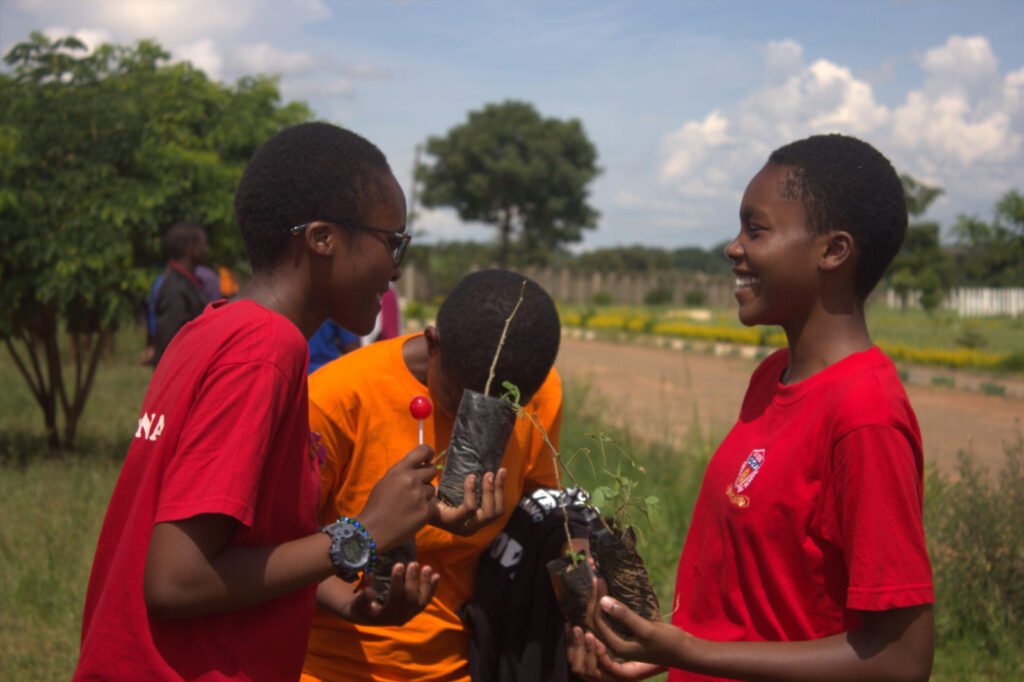
SJM helps them secure documentation and legal recognition. It has also strengthened local public offices so that municipal authorities can resume issuing documents themselves, because lasting legal status depends on a state that works. SJM also provides legal accompaniment to survivors of abuse and sexual violence and leads peacebuilding and dialogue efforts in the community. Through agriculture and ecological projects, SJM helps returning migrants and other vulnerable families rebuild their livelihoods and find a place again in their communities.
All of this happens under real pressure. After vandalism and security incidents damaged its offices, the Ouanaminthe team now works from a compact space. Still, it keeps essential services running.
What Comes Next: How These Ministries Can Keep Going
For Foi et Joie Haiti, the most urgent answer is teachers’ pay. Government reimbursements for salaries can be delayed for many months. During those stretches, teachers keep coming to class, often without being paid on time. Their faithfulness is what keeps schools open, and it cannot be taken for granted. SJM-Haiti, for its part, depends heavily on project funding to keep its staff in place in an uncertain environment. With direct support from the Jesuit Province reduced, both works need partners who will walk with them for the long term, not just for a single project.
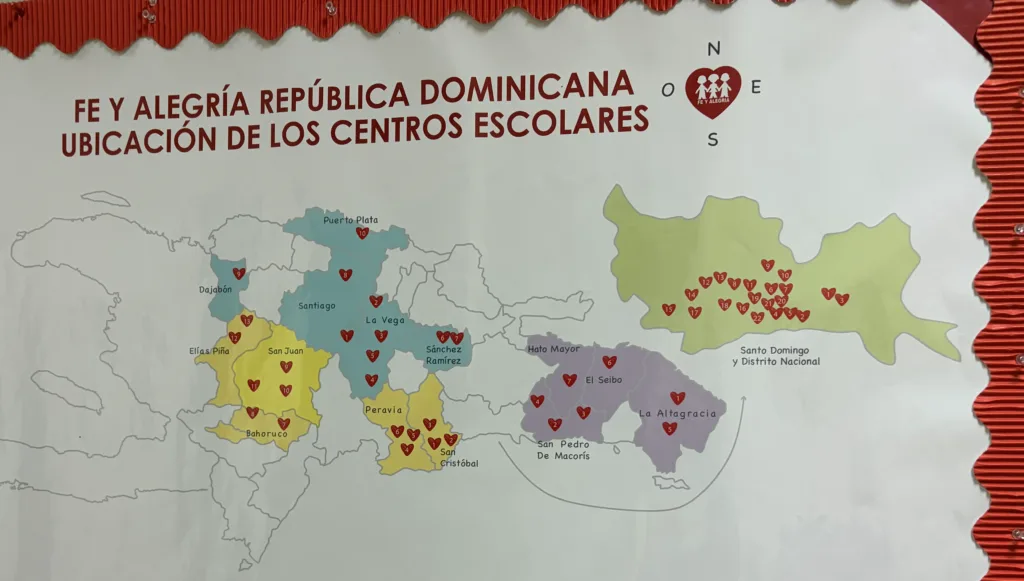
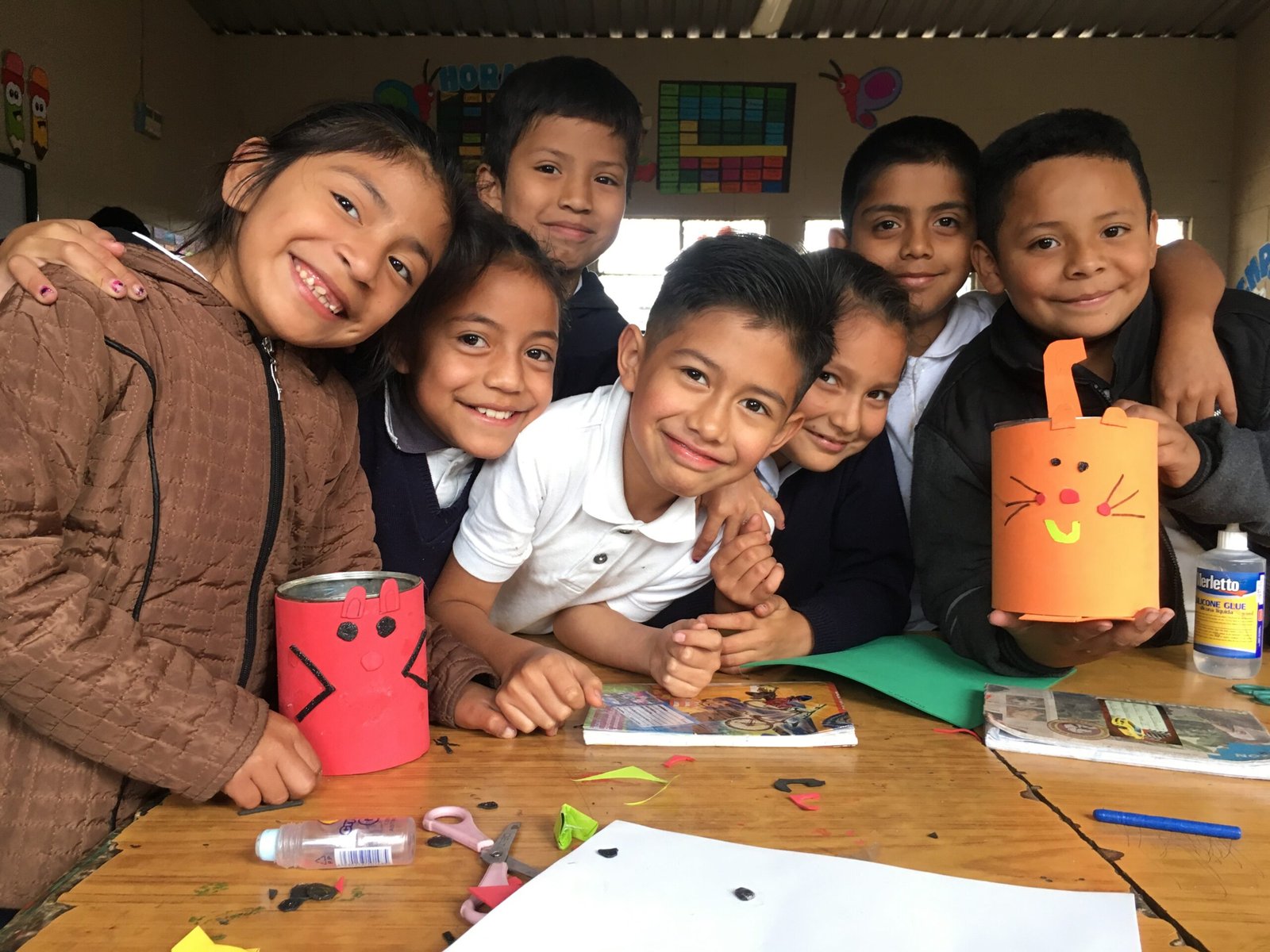
The same trip also took us to the Dominican Republic, where Fe y Alegría serves more than 34,000 students, including Haitian children born on the Dominican side of the border. Those visits (schools – health clinic in Batey Lechería) are a reminder that the story of Haiti does not stop at the border. What we carried home most of all were the faces. In Ouanaminthe, accompaniment means staying present for the long road ahead, and AJI intends to stay.