Context
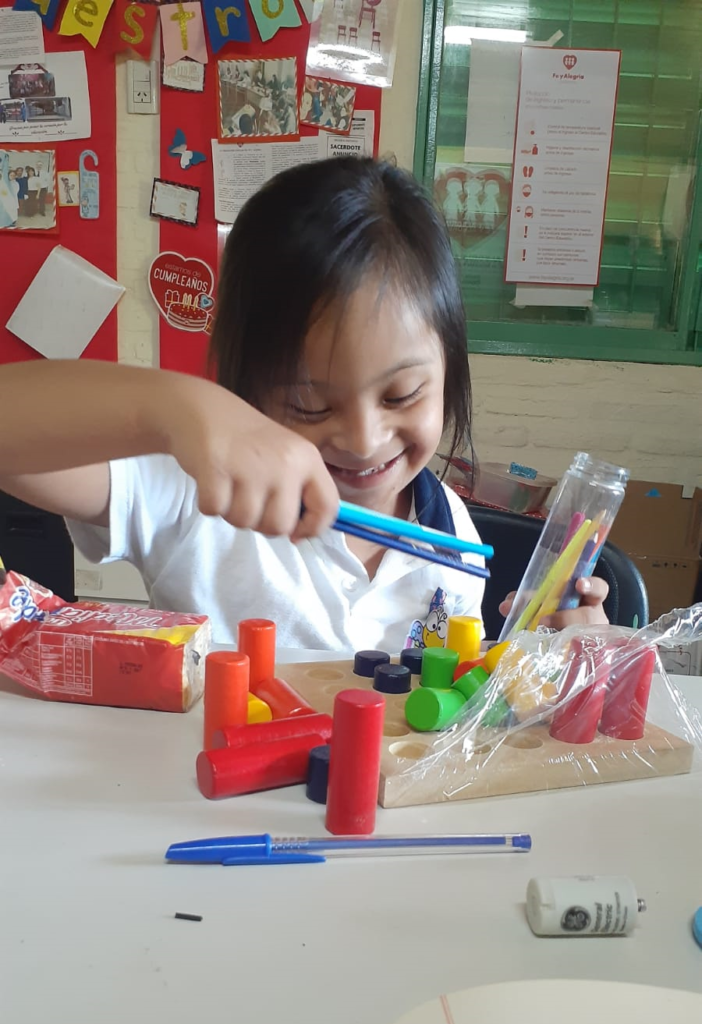
Societal changes are pushing schools to rethink how they support students, requiring a fresh look at curriculum, learning environments, and institutional practices. As education evolves, some children need a deeper understanding of their unique learning styles and needs.
To provide meaningful support, it’s essential to create spaces for training and awareness. Through collaboration and shared knowledge, we can better address the specific challenges children face. This focus should go beyond just primary and secondary education, recognizing that child development and early education have a lifelong impact, shaping the entire lifecycle.
In Argentina, 10.2% of the population aged 6 and older live with a disability. However, only 33.4% have a Disability Certificate (CUD). Of those who hold a CUD, the vast majority use it primarily for free transport and health benefits but education opportunities are not as accessible or widely used.
The lack of comprehensive resources for people with disabilities, particularly in vulnerable areas, remains a major barrier to inclusion. Fe y Alegría Argentina, through its impact evaluation team, has gathered valuable data from its educational centers to address this need. As of December 2023, about 30% of its students face learning challenges, with 1 in 10 having a disability or in the process of obtaining a CUD. Many are undergoing assessments to better understand the root causes of these difficulties.
About Inclusive Education at Fe y Alegría Argentina
Fe y Alegría first arrived in Argentina in June of 1996 with the establishment of their first center in Resistencia, Chaco in the north west of the country. Now, the movement has grown to include 55 academic communities that serve 6,500 students.
In March of 2024, Fe y Alegría highlighted their efforts to provide quality, inclusive education to all, especially students with disabilities, in their monthly newsletter, Latidos que Inspiran. The article shares the story of Marilú, a student with down syndrome who attends the Centro Educativo in Taco Pozo, Chaco. The article explained:
Our commitment is to ensure that people with disabilities have the same opportunities to learn and have their “chair” in the classroom. It is not only about guaranteeing their right to education, it is about welcoming what is different, which is capable of truly enriching the community, “making us more human”.
(Meet Marilú at the end of this project page)
Our Project
This project is built around three key components: baseline assessments and diagnostics, teacher training with support from educational psychologists and social workers, and engagement with the educational community, families, and the broader inclusive education in Argentina and the International Federation of Fe y Alegría.
Baseline and Diagnostics
The first step is to assemble a team of educational psychologists who specialize in disabilities and learning difficulties. These specialists will work in Embarcación (covering initial, primary, and secondary education), Bella Vista (initial and primary levels), and a shared team for the six early childhood centers in Quilmes. These specialists will collaborate with existing Fe y Alegría (FyA) staff, including teachers, social workers, and psychologists, to form interdisciplinary teams at each location. This collaborative approach is essential for launching a diagnostic survey using specialized diagnostic kits, as outlined in the proposal.
Teacher Training and Early Detection (Process A)
Next, we’ll conduct teacher training workshops and training sessions for psychosocial staff on early detection strategies and inclusive teaching methods. This will ensure that effective, tailored teaching strategies are implemented to address learning difficulties at each center. Early detection plays a critical role in providing timely interventions, which can significantly reduce the risk of further challenges for the child.
Community and Family Engagement (Process B)
Engaging the wider educational community, families, and the inclusive education network is a crucial aspect of this project. We will raise awareness among families about the educational inclusion of children with disabilities or learning difficulties through various activities, such as recreational days, community events, artistic exhibitions, and information and training workshops. The goal is twofold:
- Promote Inclusion: Encourage all families—whether or not they have children with learning difficulties—to embrace inclusion and promote companionship without discrimination.
- Support Families with Learning Challenges: Ensure that families with children facing learning difficulties are well-informed about available resources, recognize their child’s specific needs, and understand the importance and benefits of obtaining a Certificate of Disability (CUD). For families needing assistance with the CUD, we will help them access the required medical exams, including coordinating travel to specific locations such as Oran (for Embarcación), Corrientes (for Bella Vista), and Buenos Aires (for Quilmes).
Strengthening the Inclusive Education Network
The project also focuses on strengthening the inclusive education network by encouraging FyA teams across centers to share successful strategies and experiences. This collaborative approach will foster ongoing reflection on best practices and approaches to better support children with learning difficulties, creating a stronger, more unified effort toward inclusive education in Argentina.
Marilú
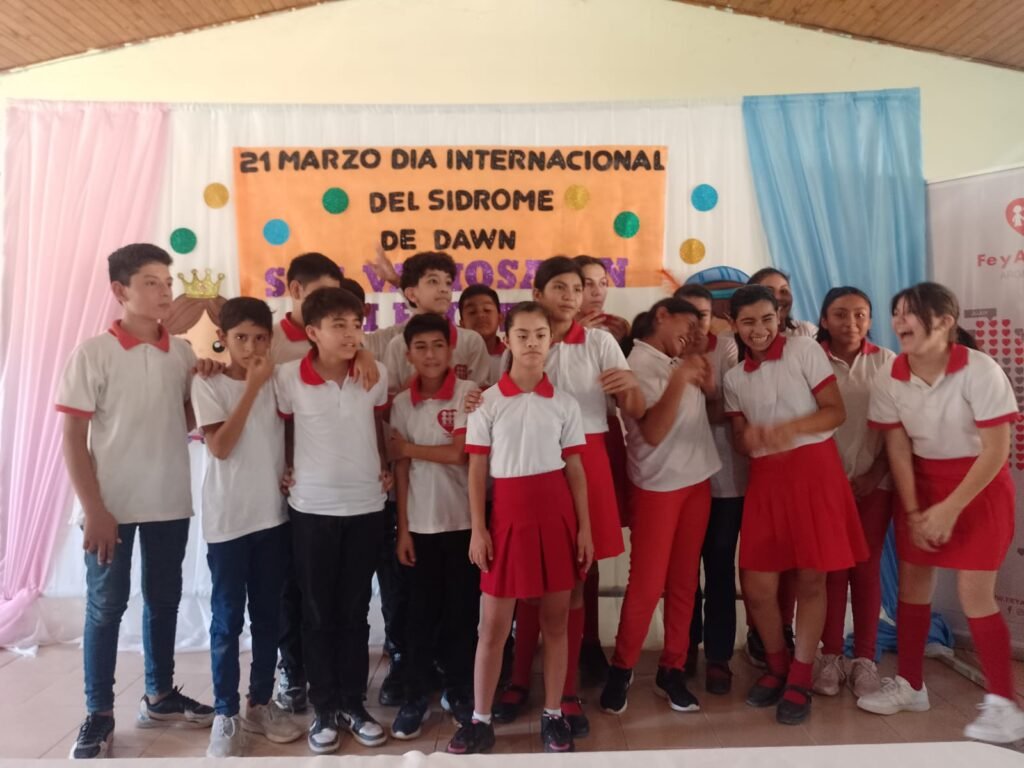
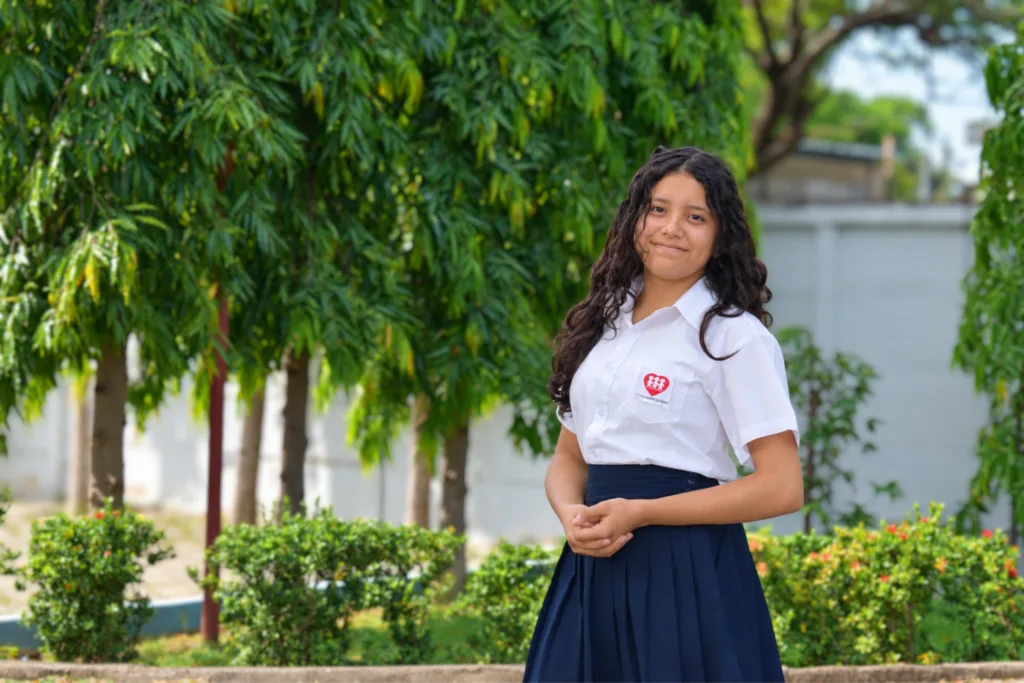
My name is Marilú, I am 12 years old and I live in Taco Pozo, Chaco; a rural area a bit far away in the north of Argentina, where the high temperatures sometimes do not allow us to attend classes. I love dancing, drawing, celebrating my birthday, playing with my brother and my dog Toby. I have many friends who love me just the way I am. I have Down Syndrome and that was not an obstacle for the educational community of Fe y Alegría Taco Pozo -which has just celebrated its 25th anniversary- to open its doors to me, first in kindergarten, and after a year in another special school, again in second grade of elementary school.