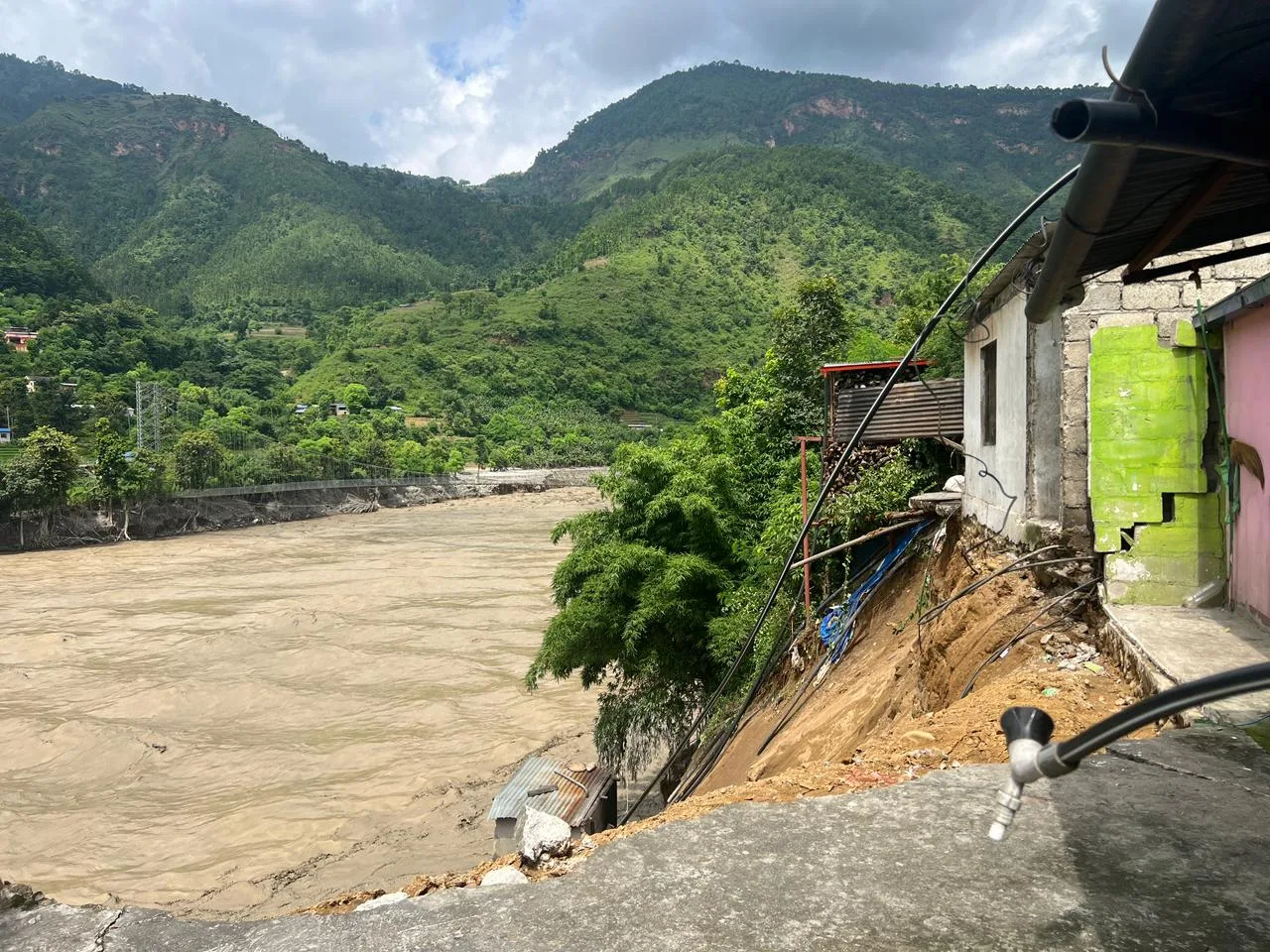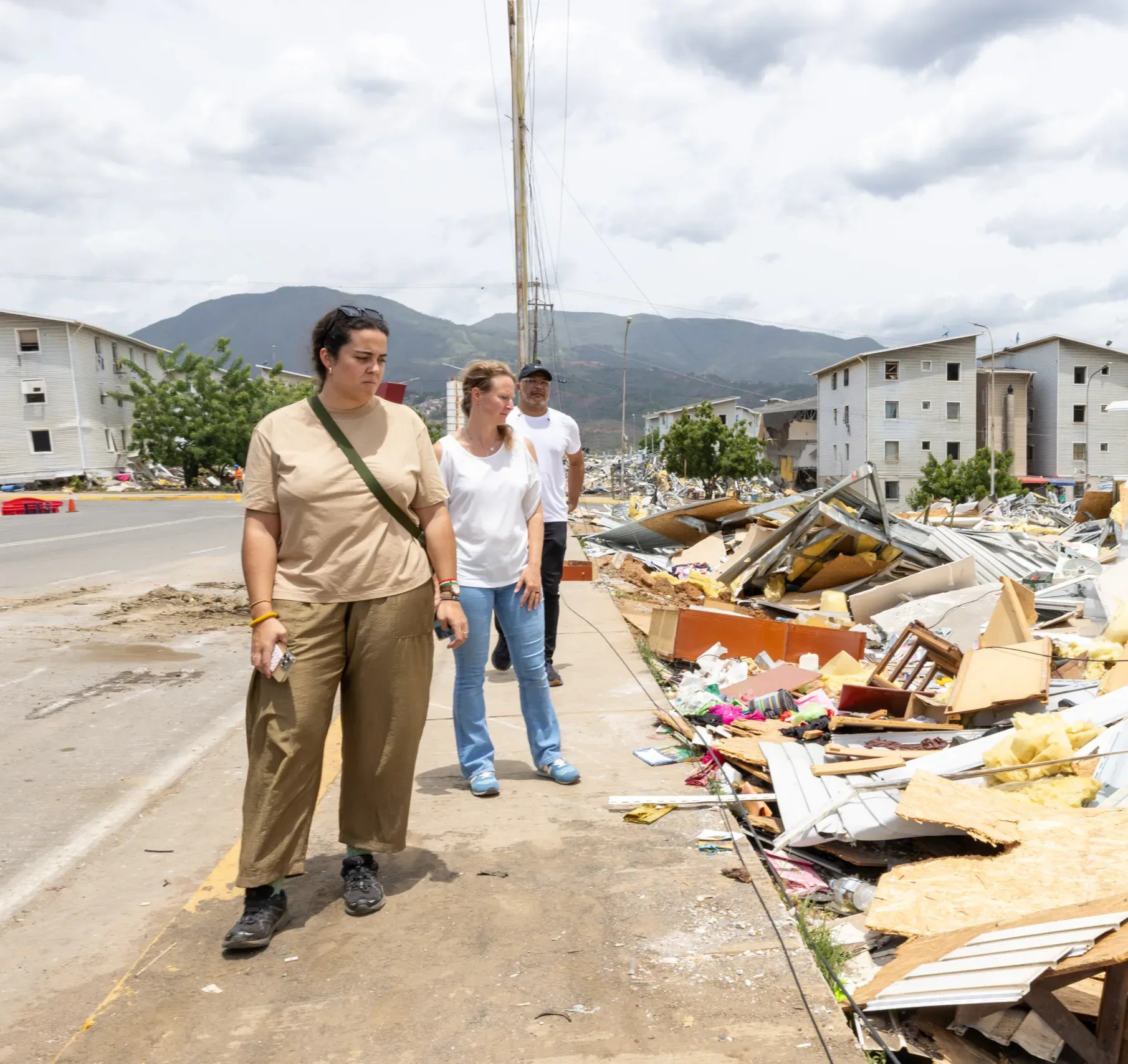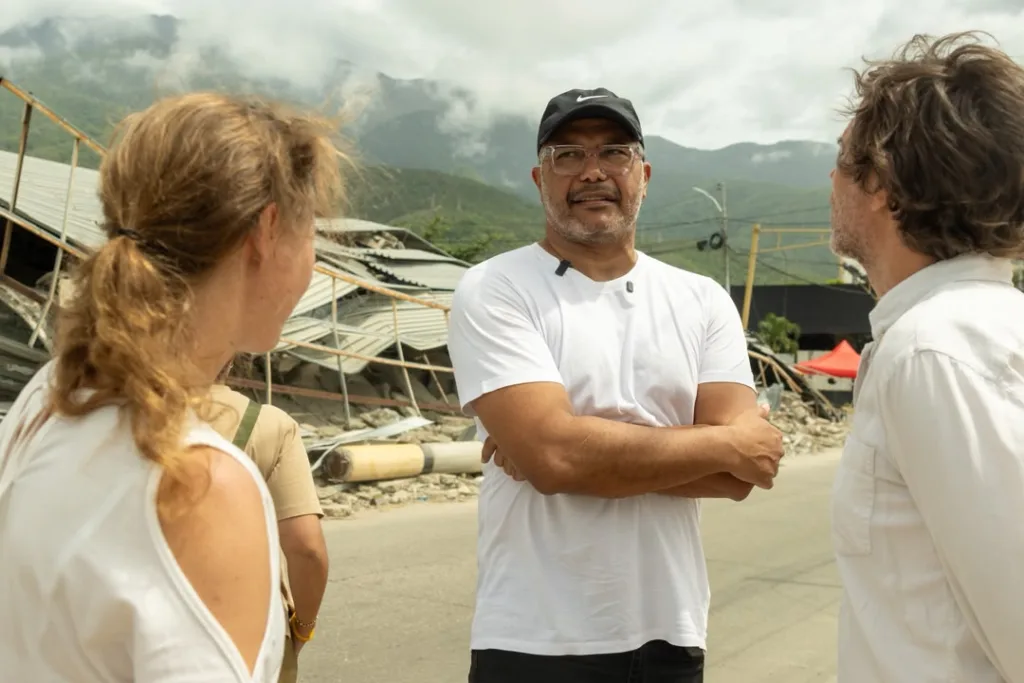
One month after the devastating earthquakes that struck Venezuela, the immediate crisis may have faded from international headlines, but for thousands of families, the long-term process of recovery is just beginning.
Earlier this week, we reached out to Fr. Jesús “Txuo” Rodríguez Villarroel, S.J., General Director of Unidos en la Misión and coordinator of the Jesuits’ emergency response in Venezuela, to ask how the situation has evolved. In his written responses, Fr. Txuo shared important insights into the reality facing the hardest-hit communities, reflected on the outpouring of support during the first month of the response, and outlined the Jesuits’ vision for the long road to recovery.
“Today I must say this with the utmost responsibility: the emergency is not over; it has entered a new phase,” Fr. Txuo explains. While search-and-rescue operations have largely concluded, many families remain displaced, hundreds of buildings are still unsafe, and entire communities face the long process of rebuilding their homes, livelihoods, and sense of hope.
Transitioning to Recovery
“During the first few days, the response focused on searching for survivors, rescuing people from the rubble, treating the injured, and providing immediate assistance to affected families,” Fr. Txuo continues. “Today, the focus of our efforts is on the affected families: people who have lost their homes, communities remaining in temporary shelters, and households that need to rebuild not only their homes but also their living conditions, their community ties, and their hope.”
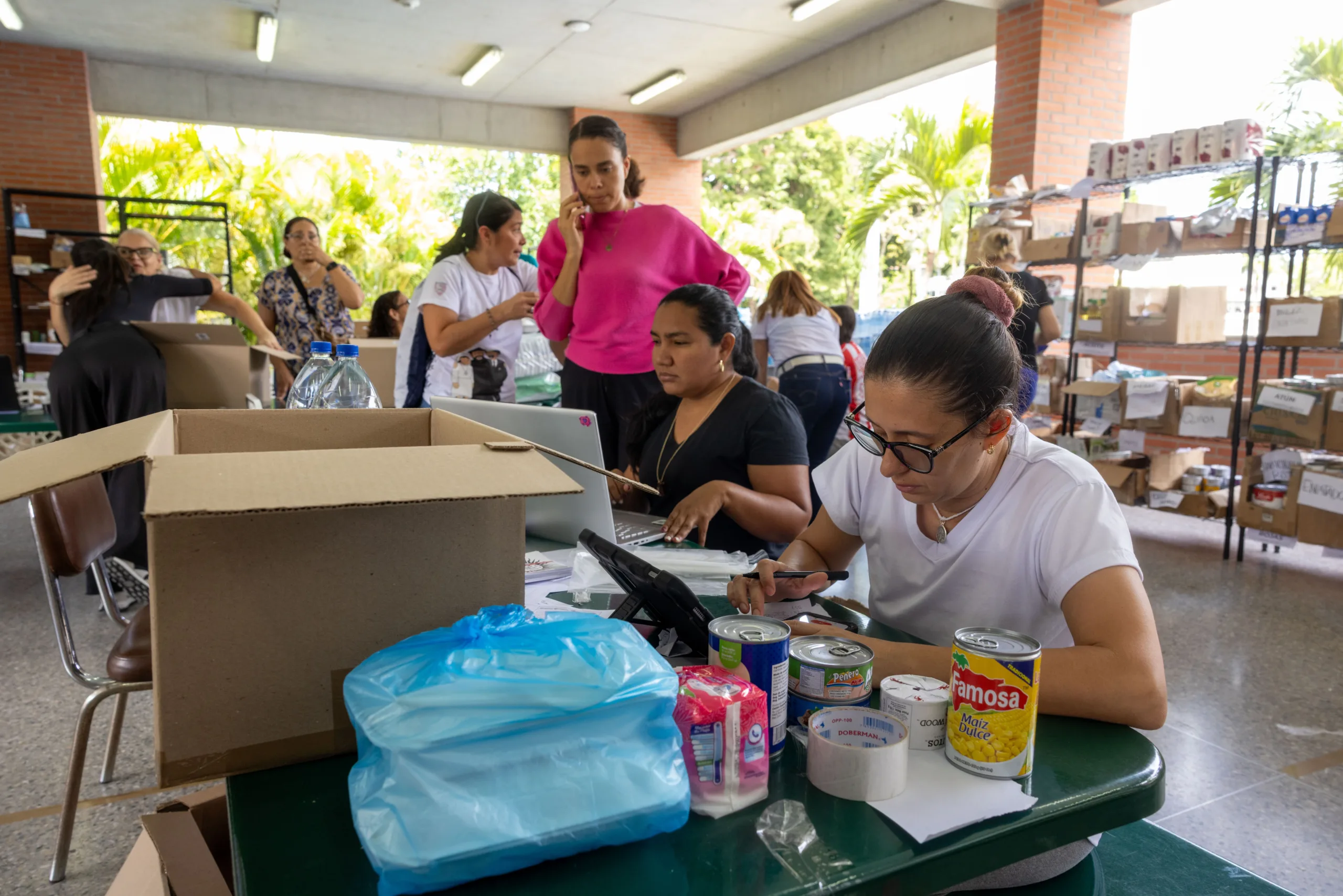
The Society of Jesus is now transitioning from emergency relief to a coordinated, long-term recovery effort. Humanitarian assistance—including food, clean water, medicines, hygiene supplies, and psychosocial support—continues, but the focus is expanding to rebuilding schools, restoring livelihoods, protecting vulnerable families, and helping communities recover with dignity.
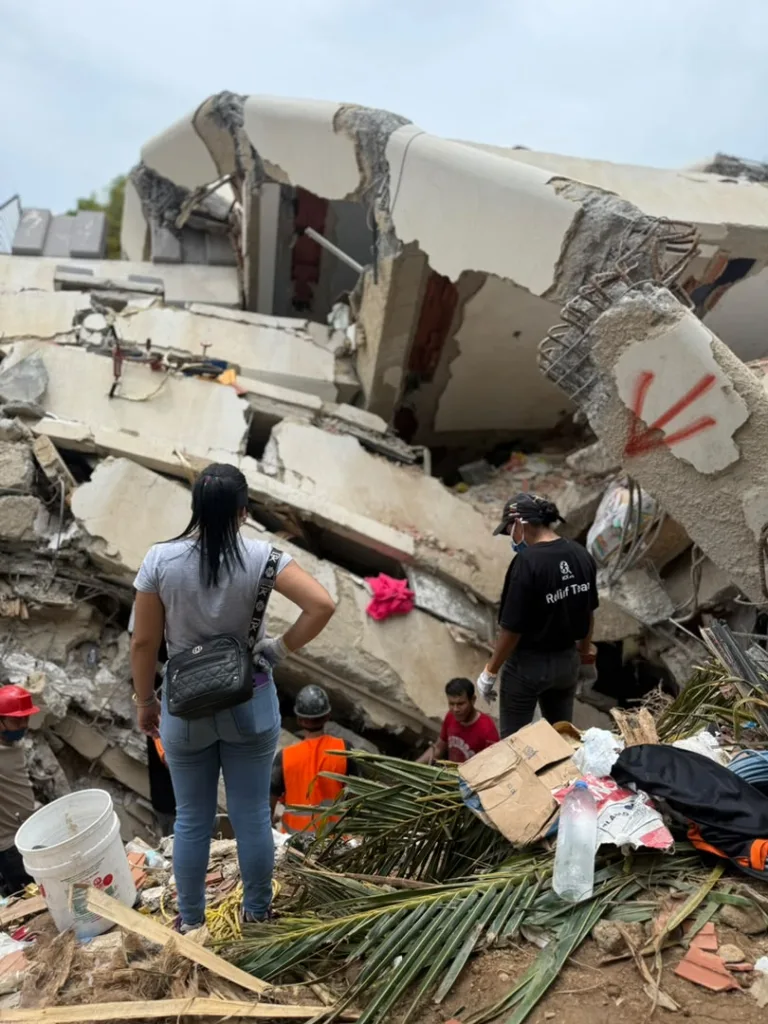
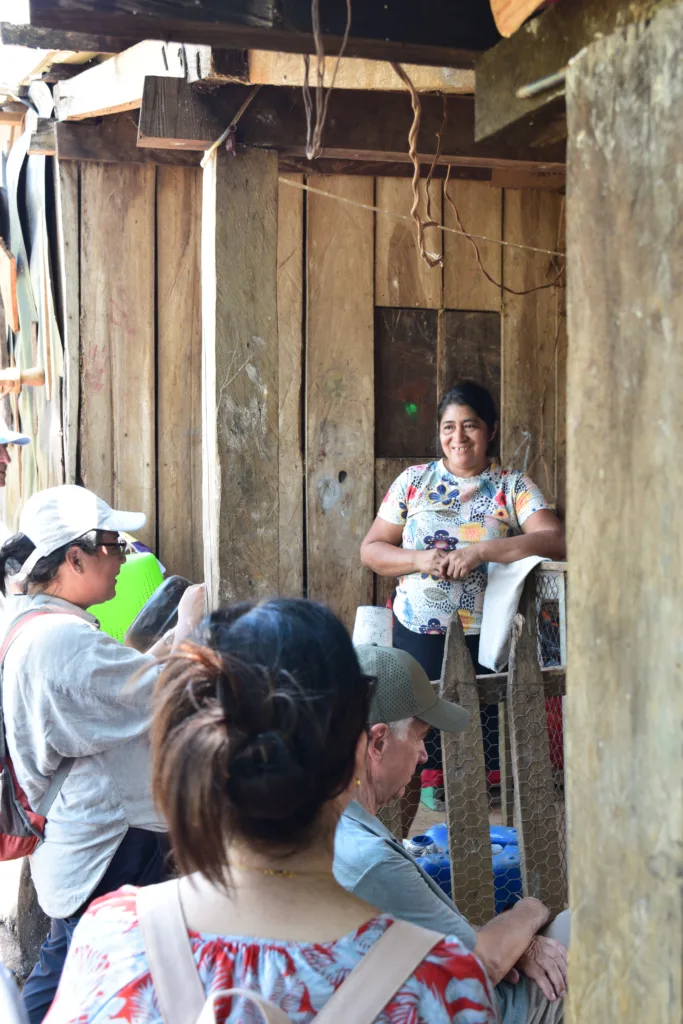
This shift reflects a defining characteristic of the Jesuit response. As Fr. Txuo explains, “Our mission is to accompany people holistically: to address their material needs, protect their dignity, listen to their pain, strengthen community capacities, and contribute to recovery and reconstruction processes that enable families to get back on their feet, regain their autonomy, and rebuild their hope.”
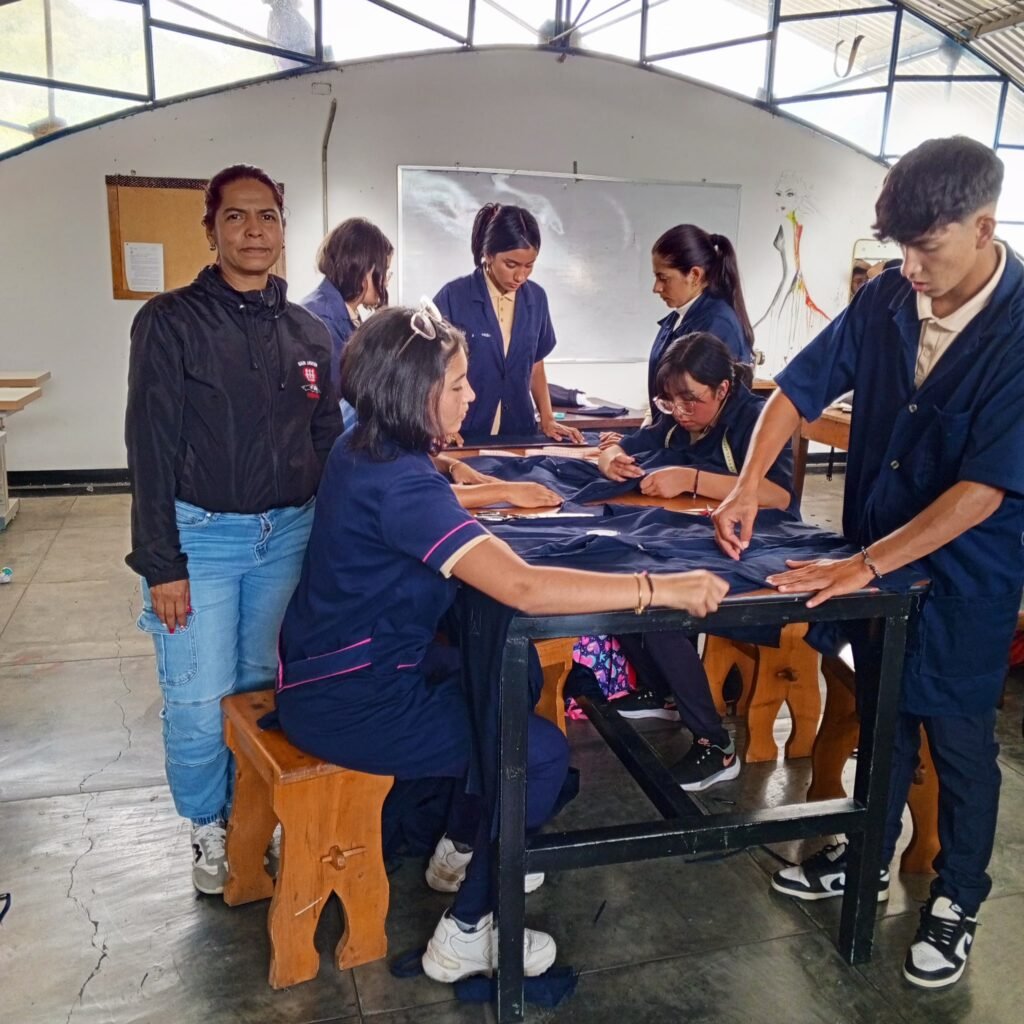
Education remains one of the highest priorities. Twenty-five Fe y Alegría schools, along with other Jesuit educational institutions, sustained damage during the earthquakes.
“One of our priorities is to mobilize the necessary resources so that, in September, children, adolescents, and young people can return to class in dignified and safe environments,” Fr. Txuo explains. “Rehabilitating educational centers does not simply mean repairing buildings; it means restoring places of learning, protection, nourishment, community, emotional support, and hope for students, their families, and their communities.”
A Unified Plan for Recovery
Fr. Txuo emphasized that recovery will not happen all at once. “The transition from emergency to recovery and reconstruction will not occur abruptly or on a single date,” he writes. “In some communities, it will still be necessary to maintain immediate humanitarian assistance, while in others, early recovery efforts can already begin.”
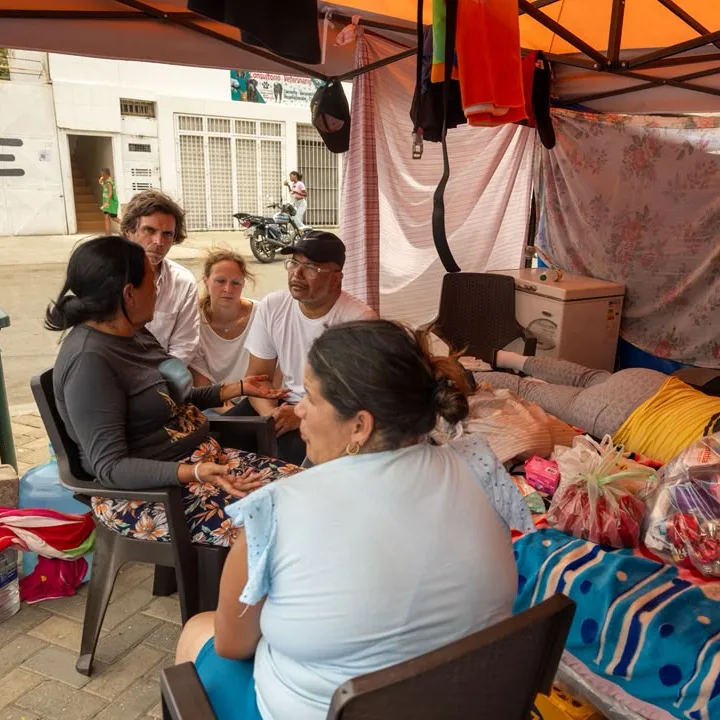
As a result, different phases of the response will overlap in the months ahead, adapting to the unique needs and realities of each affected community.
To ensure those efforts remain coordinated, the Society of Jesus in Venezuela is developing a Unified Response, Recovery, and Reconstruction Plan, bringing together Jesuit institutions and apostolic works under a common vision. “The Unified Plan will therefore serve as the common roadmap for moving from immediate relief toward recovery and reconstruction,” Fr. Txuo explains.
Built around the guiding principle, “One mission, one response,“ the plan is designed to coordinate resources, avoid duplication of efforts, and ensure communities receive sustained accompaniment throughout the long recovery process.
The plan is organized around six strategic priorities:
- Emergency aid: ensuring food, water, medicine, hygiene supplies, and other essential goods for the most vulnerable families, as well as assessing the safety of affected infrastructure.
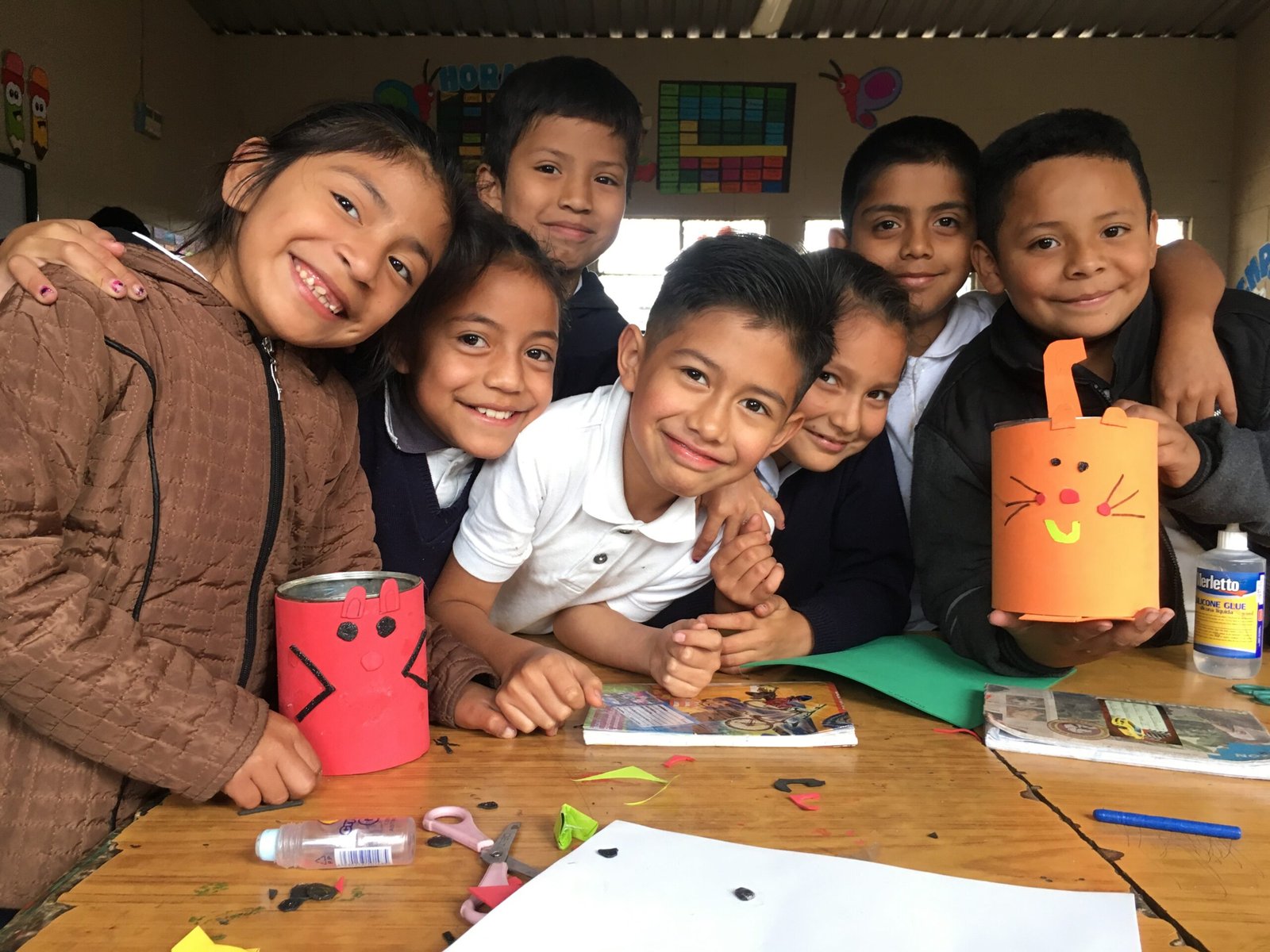
- Education in emergencies: ensuring educational continuity, restoring classrooms and water and sanitation services, preventing school dropouts, and providing social-emotional support to students, teachers, and families.
- Protection and rights: supporting children, adolescents, displaced persons, and vulnerable families in restoring their rights, accessing documentation, and preventing abuse, violence, exploitation, and human trafficking.
- Physical and emotional health: Providing medical care, preventive guidance, psychosocial support, grief counseling, and strengthening community care networks.
- Livelihoods and Economic Revitalization: Support the recovery of jobs, entrepreneurship, and productive activities through training, tools, technical assistance, and seed capital.
- Institutional strengthening: improving the capacity of relief efforts to respond in a coordinated, safe, and transparent manner; institutionalizing emergency protocols; and safeguarding the physical, emotional, and spiritual well-being of workers and volunteers.
Looking Beyond the Emergency
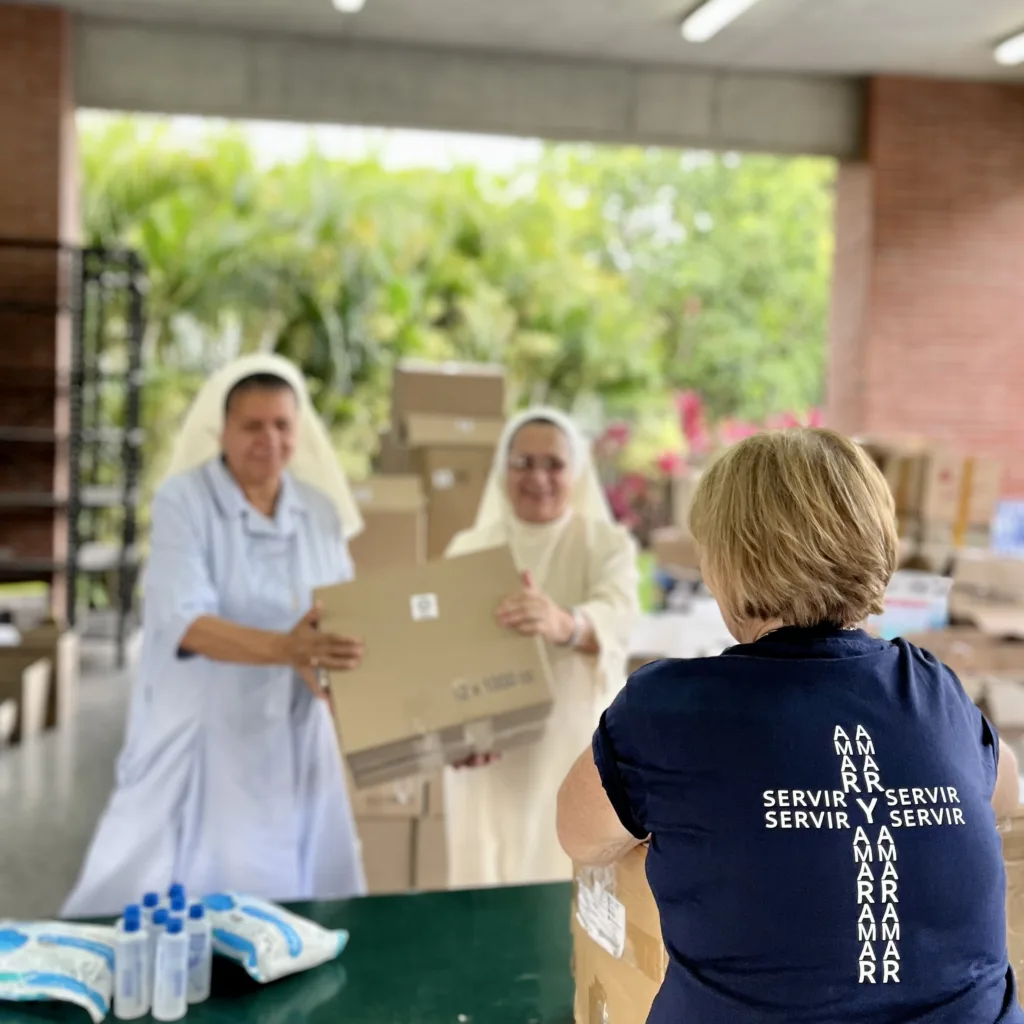
Since the first days of the emergency, Jesuit institutions across Venezuela have worked together under the shared initiative La Misión es Venezuela – Emergencia 2026. Through coordinated collection and distribution centers, more than 50,000 people have already received humanitarian assistance, supported by hundreds of volunteers and a network of parishes, schools, universities, and partner organizations.
Fr. Txuo also offers a clear appeal to the international community: do not allow Venezuela’s recovery to disappear as media attention moves elsewhere.
“As the cameras leave, the needs remain,” he says, calling for sustained international support and investment in trusted local organizations that will continue accompanying affected communities long after the emergency phase has ended.
Finally, he expresses his gratitude to the many supporters—including friends and donors in the United States—whose generosity has already provided life-saving assistance during the first month of the response.
“Your donation does not only respond to an emergency,” he writes. “It helps rebuild lives, communities, and the future.”
For those interested in learning more about the Jesuit response and the challenges that lie ahead, we invite you to read the complete interview.
- Read the full interview (English PDF)
- Leer la entrevista completa (PDF en español)