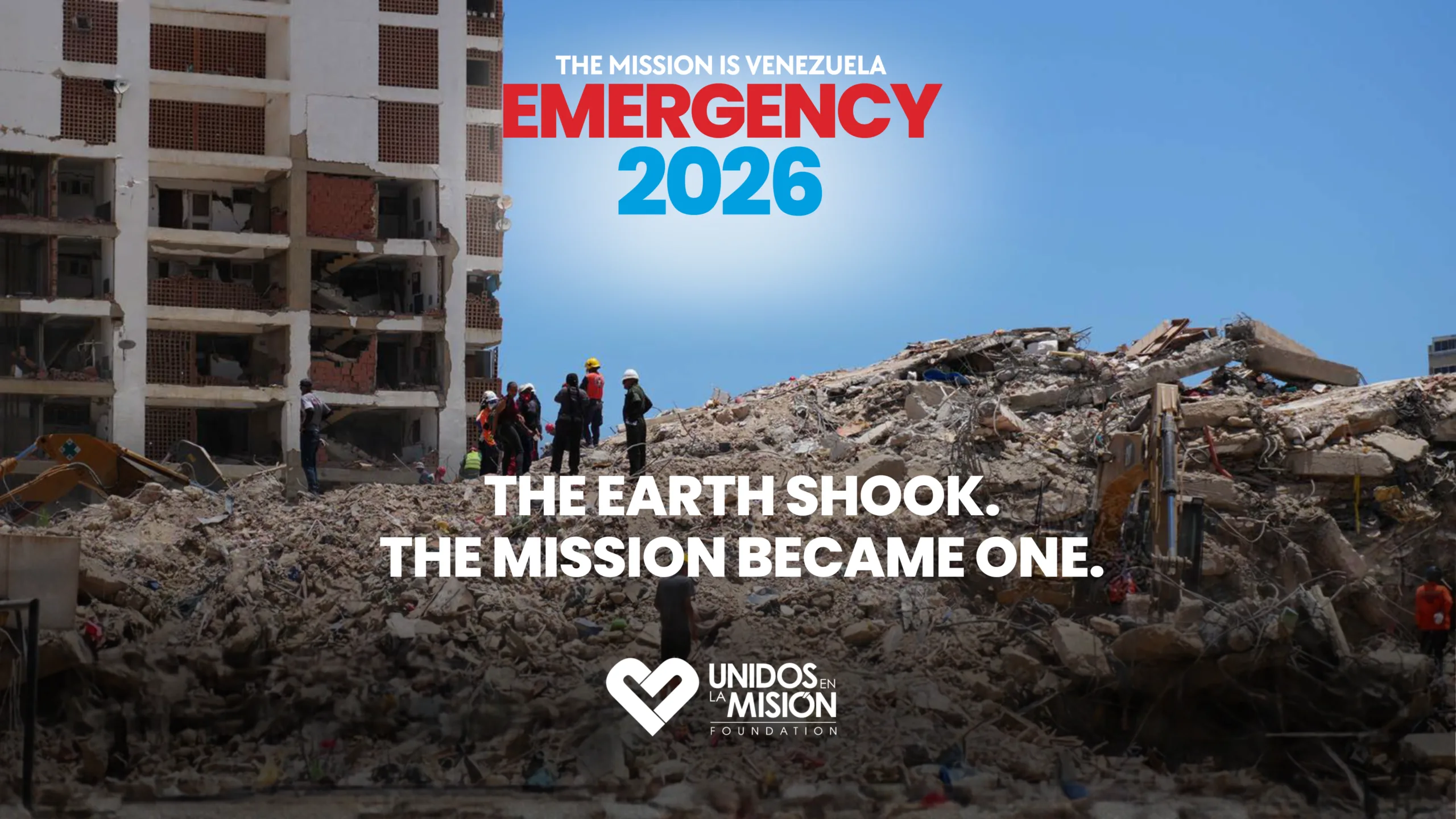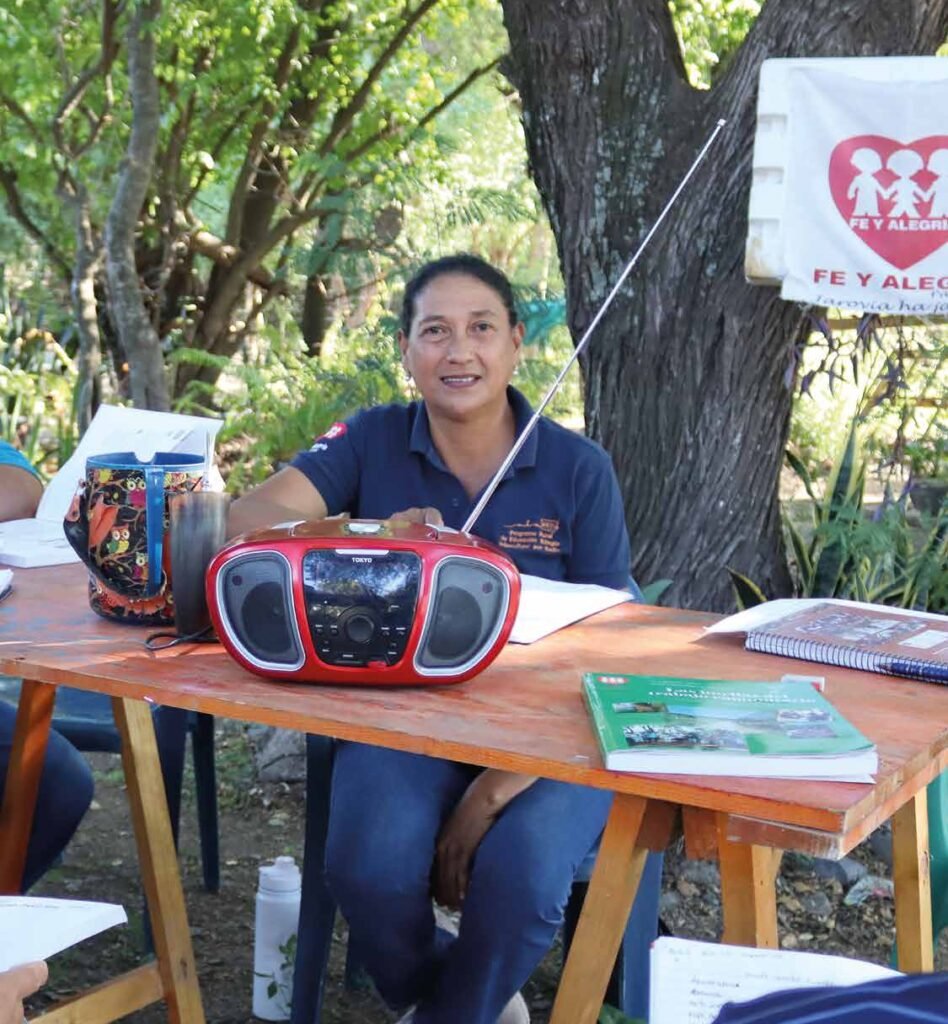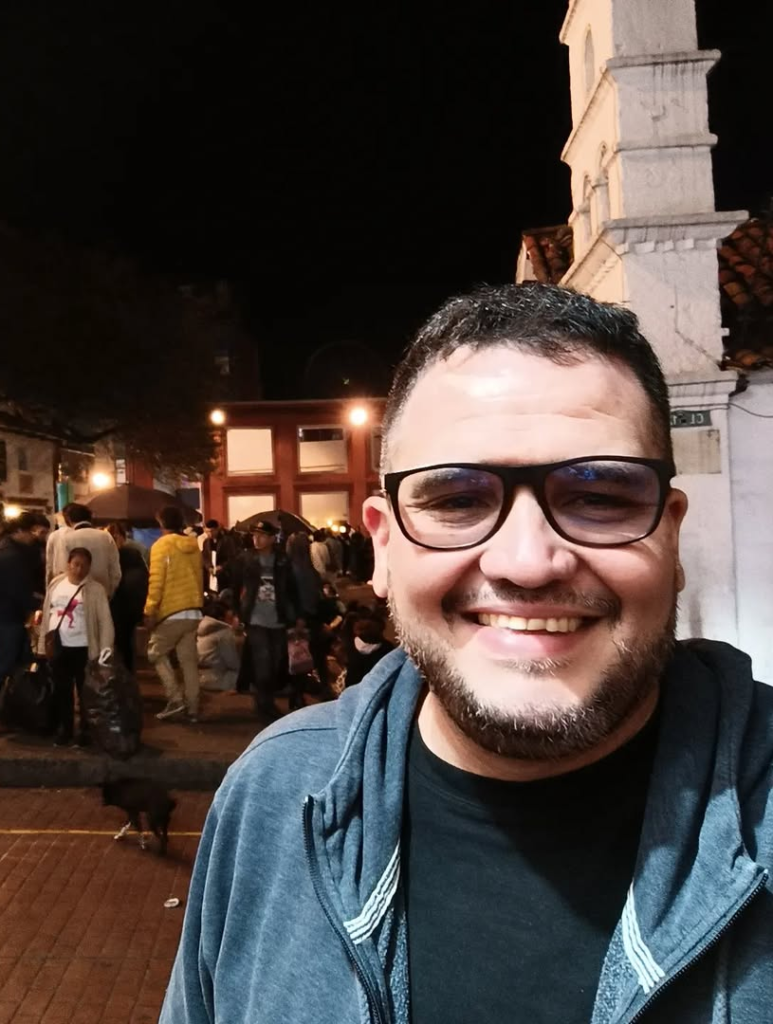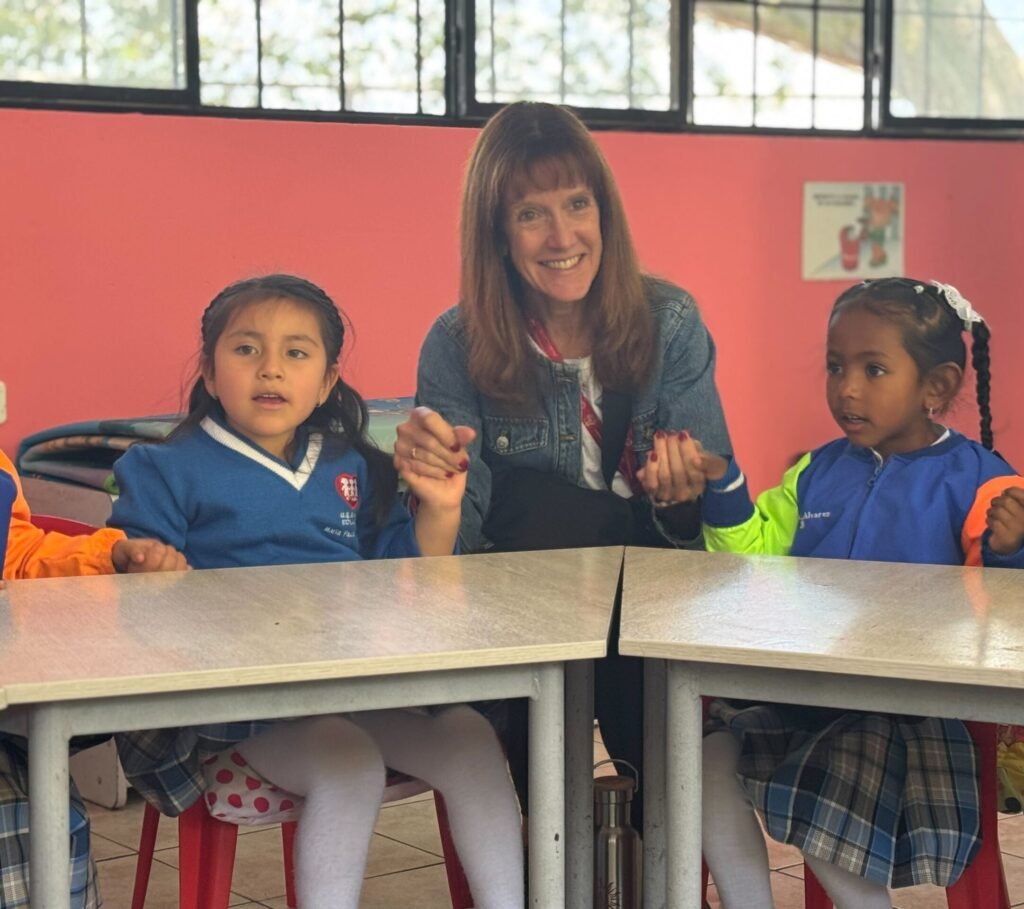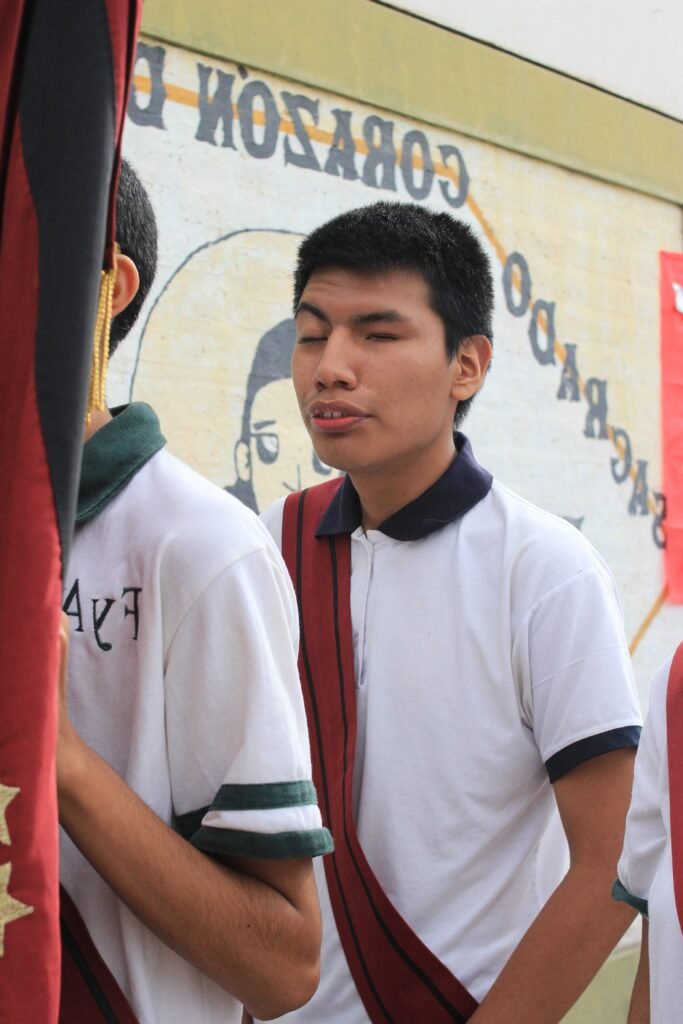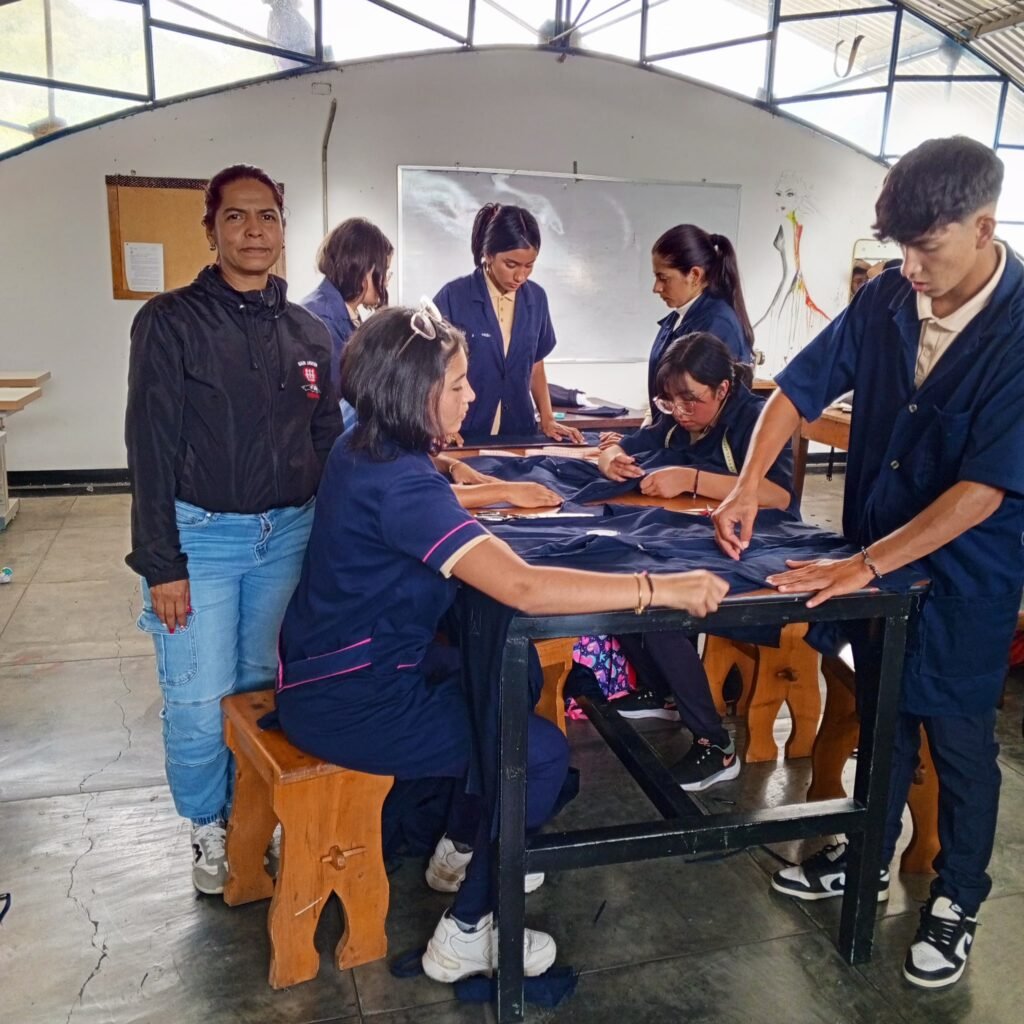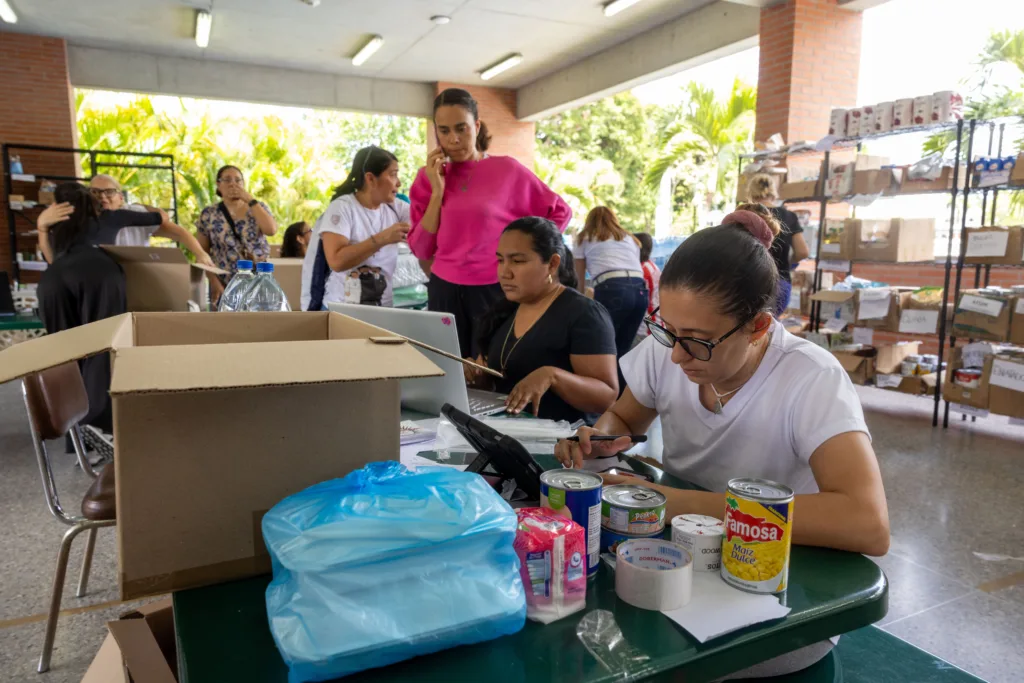
Every year on August 19, World Humanitarian Day honors the humanitarian workers who provide relief and stand in solidarity with communities affected by disaster, conflict, and displacement. This year, that observance falls only weeks after twin earthquakes struck Venezuela on June 24, damaging 25 Fe y Alegría schools, displacing thousands of families, and leaving many without shelter, clean water, or a sense of when normal life might resume.
A crisis compounded
Venezuela’s earthquakes did not strike in isolation. They struck a country where state institutions already struggled to lead coordinated responses to challenges facing the population. They struck at a moment when humanitarian funding, strained by years of cuts and competing crises, was already stretched thinner than at almost any point in recent memory.
Layers of complex issues are not unique to Venezuela. Whether we are looking at compounded issues of injustice or numerous failing institutions, there is never one clear issue to be addressed in a vacuum. It is increasingly the backdrop against which most humanitarian emergencies now unfold, and it is exactly what World Humanitarian Day exists to name: the growing gap between what communities in crisis need and what the world is currently willing, or able, to provide.
Presence, not headlines
In Venezuela, Jesuit works were already working to fill those gaps before the earthquakes struck. Fe y Alegría, Jesuit Refugee Service (JRS), and other Jesuit organizations responded quickly, conducting needs assessments and opening school buildings as shelters and distribution points. American Jesuits International joined the Xavier Network’s coordinated appeal, channeling support through the Jesuit Province of Venezuela as the response moved from emergency relief toward reconstruction. “The emergency is not over; it has entered a new phase,” said Fr. Jesús “Txuo” Rodríguez Villarroel, S.J., General Director of Unidos en la Misión. This distinction is the same one that Jesuit humanitarian work has always reflected: presence does not end when the emergency phase does.
Asunción Taboada, who accompanied the response in Caraballeda, put the deeper question plainly in a reflection published on World Humanitarian Day 2026: “People do not only need shelter, water, or medical attention; they also need to retain the ability to make decisions, to maintain their privacy, to preserve control over their lives, and to be treated as human beings, not merely as aid beneficiaries. Humanitarian action, in that sense, is not solely about saving lives. It also involves taking on a commitment to the dignity of those going through a crisis.”
This is the measure World Humanitarian Day asks us to apply: not only whether people survive a crisis, but whether they are accompanied through it with dignity intact. In Venezuela, as in every place the Society of Jesus works before, during, and after disaster strikes, that accompaniment depends on committed partners already on the ground, and on the resources to sustain them well past the point when the story stops making news.
This World Humanitarian Day, we invite you to stand with us: pray for the humanitarian workers and communities carrying this weight, advocate for sustained humanitarian funding at a moment when it is most at risk, and donate to support Venezuela’s recovery and Jesuit humanitarian work worldwide.